


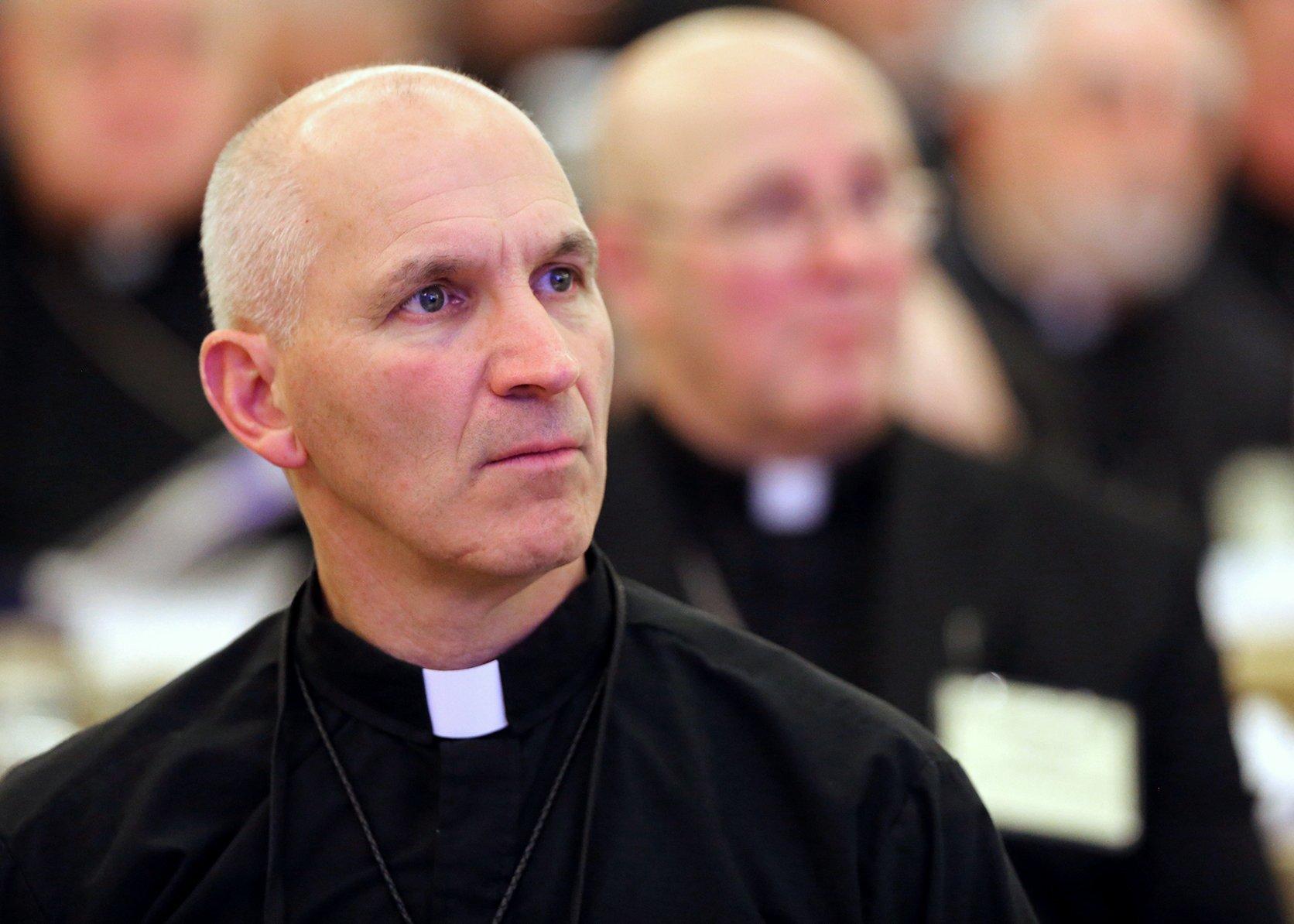
(OSV News) — The Church’s teaching on the rights and dignity of migrants can help guide conversations about immigration reform, Bishop Steven R. Biegler of Cheyenne, Wyoming, wrote in a new pastoral letter on immigration, which he said was an effort to contribute to Catholic education on the subject.
Bishop Biegler’s letter is the latest in a series of efforts by U.S. bishops to clarify the Church’s teaching on immigration and related social and policy issues. A growing number of bishops have recently acknowledged that some of the Trump administration’s immigration policies risk presenting the Church with both practical challenges in administering pastoral support and charitable endeavors, as well as religious liberty challenges.
In the pastoral letter, “Be a Merciful Neighbor,” Bishop Biegler wrote, “Rather than considering these issues through a partisan lens, I invite all of us to a deeper level of engagement as we reflect on the values that should guide our world, our nation and our state. As Christians, our convictions should be rooted in fidelity to the Gospel of Jesus Christ and our commitment to love God and neighbor.”
Desire to educate on Catholic social teaching
Bishop Biegler told OSV News in an interview that he issued the pastoral letter, his first, out of a desire to be more active on the issue.
Last year, he said, it “started churning in my own heart that I needed to be more active,” on immigration issues, citing the special message the U.S. bishops released in November on the subject.
“One of the goals here is to just educate, to offer Catholics education about how we approach this topic and what are clear values that we have,” he said. “I’m fairly confident to say that we have not done a good job as a Church of educating our Catholics about Catholic social teaching.”
Catholic social teaching on immigration, the letter said, has guiding principles — the right of persons to migrate or not to migrate at their choosing, the right of a country to regulate its borders and control immigration, as well as a nation’s duty to regulate its borders with justice and mercy.

In the letter, Bishop Biegler drew a thread between calls from Pope St. John Paul II and Pope Leo XIV, as well as those pontiffs who came between them, in expressing solidarity with migrants as part of the Church’s understanding of the dignity of the human person.
“It’s a thread that’s so common, really, in the development of our social teaching, and I think we’ve done such a poor job of communicating our social teaching, that therefore people might jump to these conclusions of conservative versus liberal popes,” he said. “But it’s just not accurate of who they really are. I don’t think it accurately represents how they taught and how they led the Church.”
Immigration and the problem of ‘indiscriminate’ mass deportation
Citing stories of how mass deportation efforts have impacted members of the Catholic community in Wyoming, Bishop Biegler said, “Some people are feeling so fearful they’re isolating,” including avoiding Mass and other church events.
As a candidate for president, President Donald Trump pledged to carry out mass deportations; however, firm data on how many individuals they have deported is still forthcoming.
Trump has recently shifted his rhetoric away from touting a mass deportation campaign to emphasizing “border security,” as polls showed more U.S. adults have grown skeptical of aspects of his immigration policy.
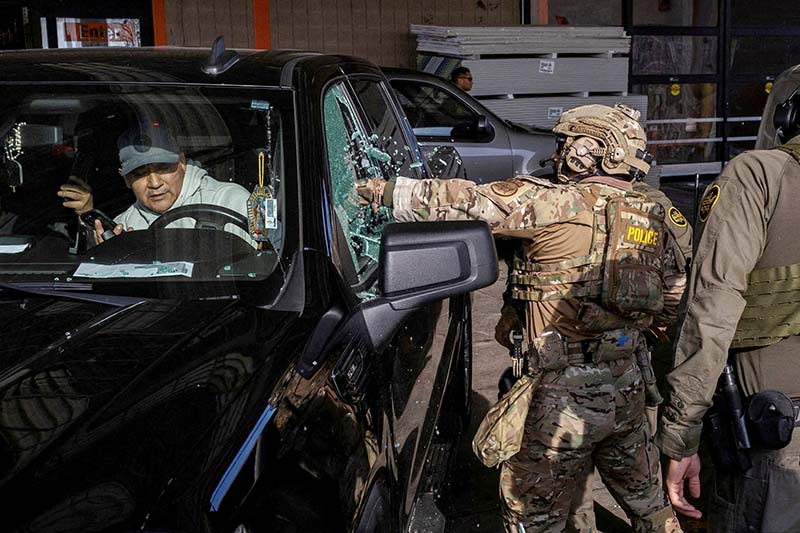
But Bishop Biegler stressed that “indiscriminate” mass deportation campaigns are immoral.
Citing examples of immigration enforcement activity that was “indiscriminately seeking out anyone they could find, even people of color that might have proper documentation,” Bishop Biegler said, “this is very serious.”
“Do people understand what’s at stake when we’re not being merciful, not being compassionate, as Christ is compassionate?” he asked.
Kate Scanlon is a national reporter for OSV News covering Washington. Follow her on X @kgscanlon.
