


The young woman was falling in and out of consciousness when she sensed something strange in her mouth. She spit and two pills flew out. Her boyfriend was next to her, but he didn’t help. He only tried to shove the pills back in.
“Eat this,” she heard him say through the pain. “It’s good for you.”
This is how a legal complaint recently filed in New York describes a new case of abortion drugs forced on a woman identified as “Jane Doe.” I came across her story while looking at the results of the 2026 midterm elections. Many abortion supporters were celebrating Democrats’ landslide win as a victory for “reproductive freedom,” while some pro-life leaders called Republican losses a consequence for abandoning the pro-life issue.
In the midst of it all, Jane Doe’s story served as a reminder of the destruction abortion poses for both women and their children. It also served as a reminder of the importance of the words we use when talking about abortion.
Why words matter
As I read the legal complaint and the news outlets covering Jane Doe’s story, I noticed something peculiar: They called the death of her baby a miscarriage.
In 2022, Doe realized she was pregnant while a cadet attending the U.S Military Academy in West Point, New York. She wanted to keep her baby. Her boyfriend at the time — another cadet named Caleb T. Suh — did not, according to the complaint.
The complaint goes on to say that Suh secretly ordered abortion pills online by pretending to be her. After drugging her with a “prenatal protein shake,” the complaint continues, he forced the abortion pills into her body and assaulted her. When she woke up in pain around midnight, he was gone. That’s when she staggered to the bathroom and saw the blood pouring out of her.
Major news outlets and entertainment media reported that Doe suffered a miscarriage. But their stories don’t describe a case of a baby dying in the womb for an unexplainable or unavoidable reason. They describe a case of an unborn child dying because of a purposeful attempt to end his or her life.
Words are important, and the ones we choose reveal something about us and (hopefully) something about what we’re talking about. There’s a difference between saying “pro-life policies” and “reproductive rights,” or “the pregnancy” and “the baby.” There’s a difference between “abortion” and “miscarriage.”
“She tragically lost her baby following the assault,” national pro-life organization SBA Pro-Life America said of the story on social media. “How many more women, like Suh’s ex-girlfriend, will be irreparably harmed by these dangerous drugs?”
The new legal complaint comes after Suh pleaded guilty to assault within a maritime and territorial jurisdiction earlier this year. It comes after he admitted that he impersonated his girlfriend and administered abortion pills without her knowledge or consent, according to legal documents.
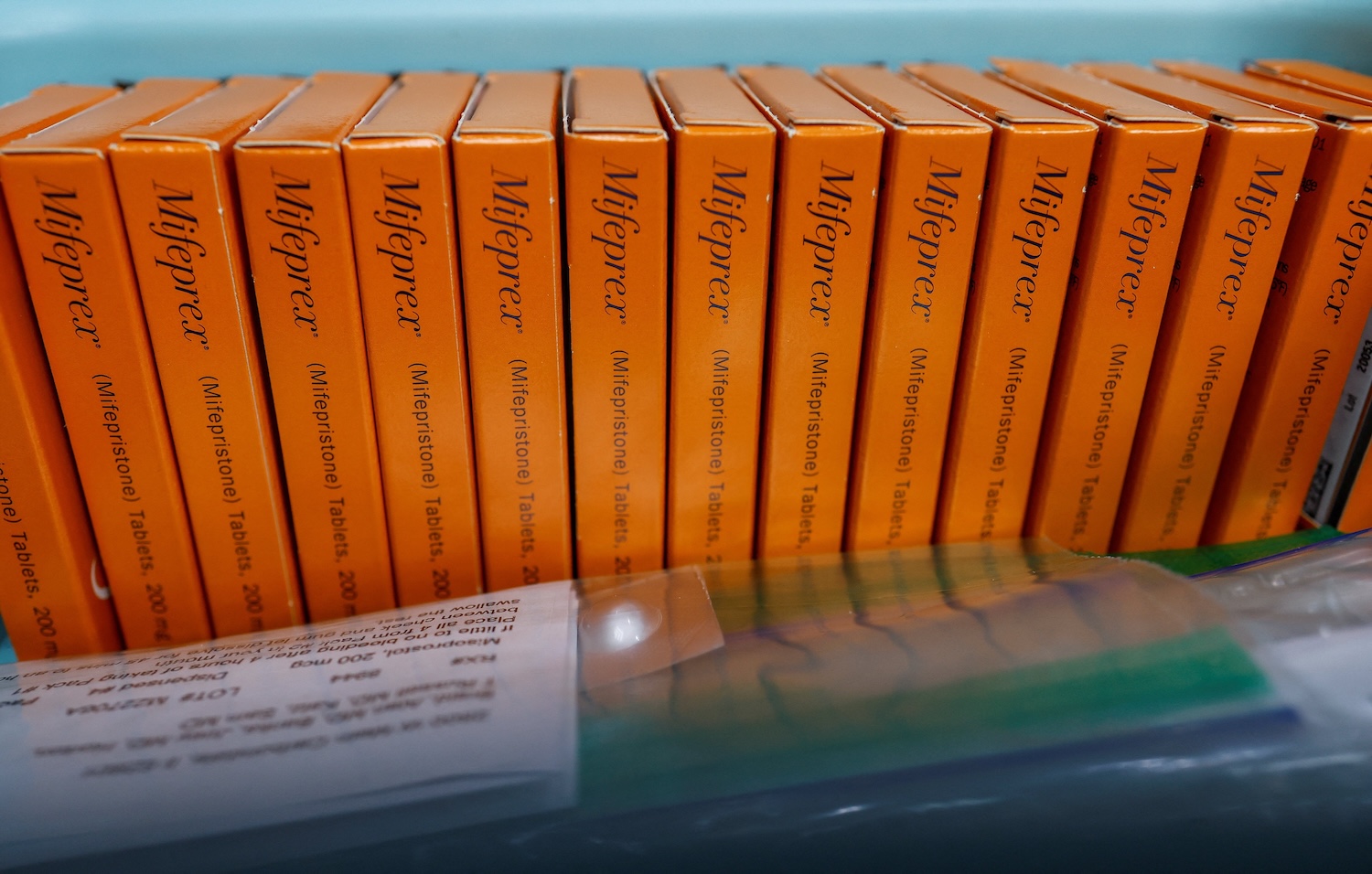
It also comes as a growing number of pro-life groups track dozens of news reports of women forced or tricked into taking the abortion pill, the most common type of abortion in the United States.
An area of agreement
These stories show how abortion can be weaponized not only against the unborn but also against women. But, following the midterms, these stories also present an opportunity: While voters may disagree on abortion, perhaps they can agree to care for and love the mothers who want to keep their babies.
This is why the pro-life movement supports the thousands of pregnancy centers and maternity homes nationwide that minister to pregnant and parenting women in need. This is why the Catholic Church accompanies expectant and new mothers with its parish-based initiative Walking with Moms in Need.
Like our words, our actions reveal something about us, too.
Katie Yoder writes for OSV News from Maryland.
