


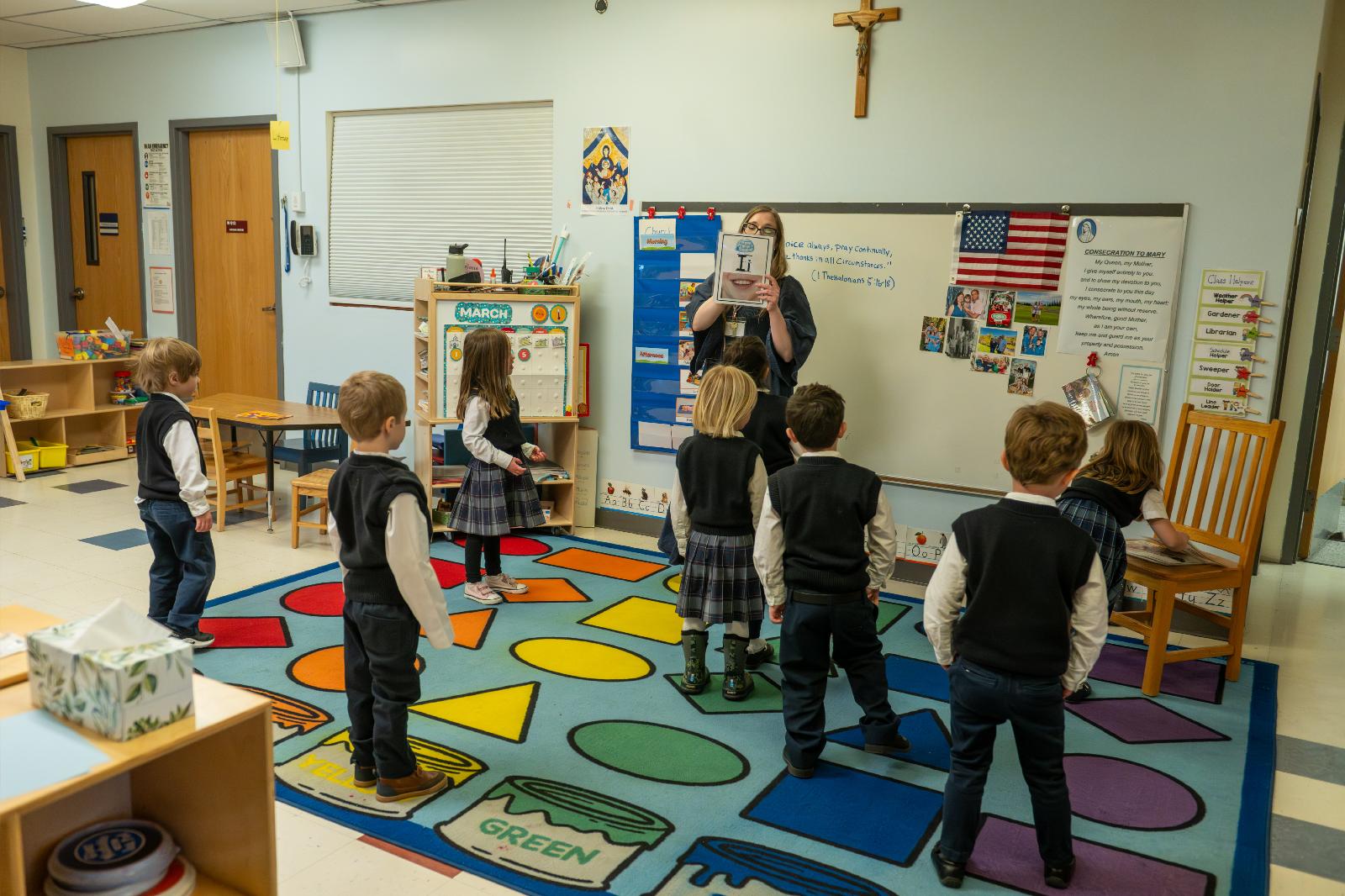
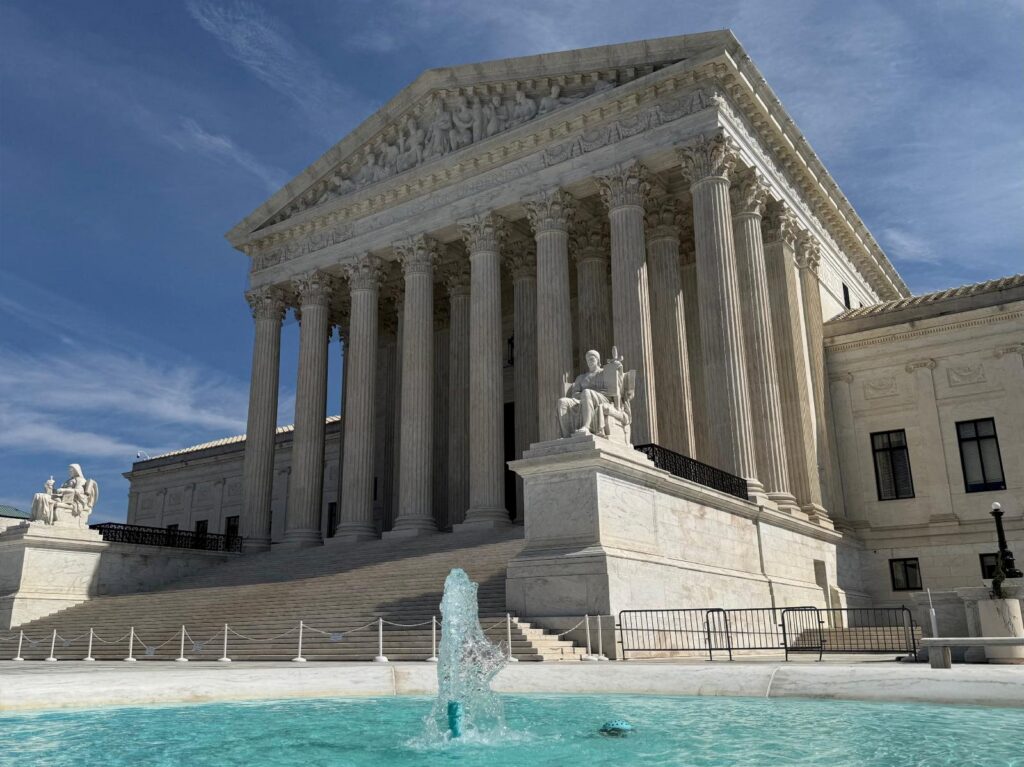
WASHINGTON (OSV News) — The U.S. Supreme Court heard oral arguments Nov. 3 in a case over a clash between Catholic preschools and the state of Colorado over whether those schools can participate in the state’s universal preschool program.
The program provides funds — up to about $6,000 — to parents to send their child to the preschool of their choice, public or private, including faith-based schools.
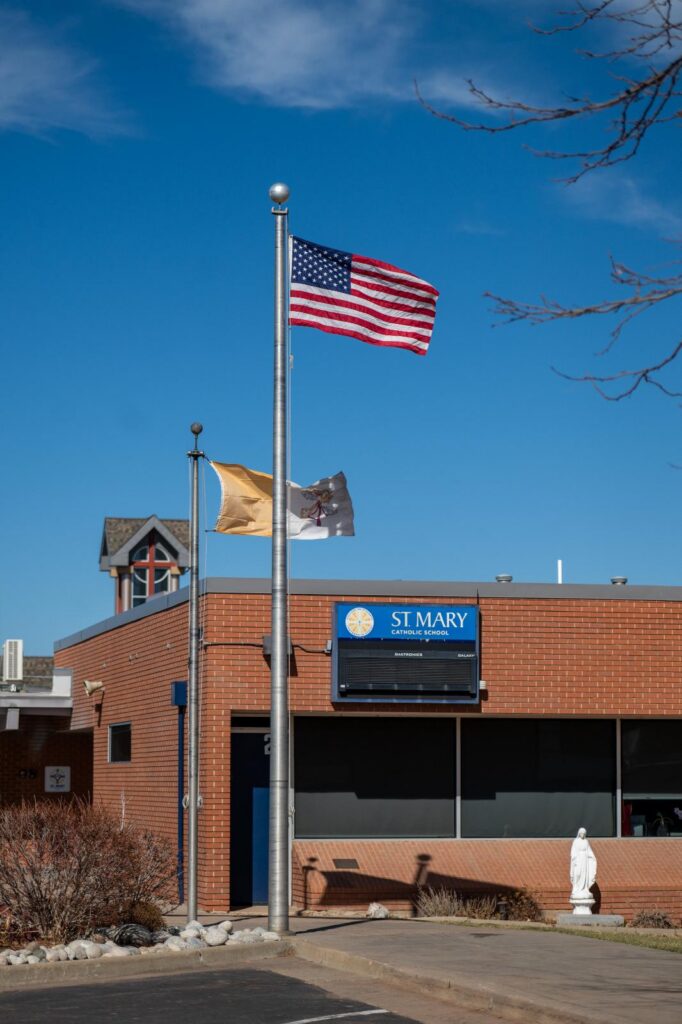
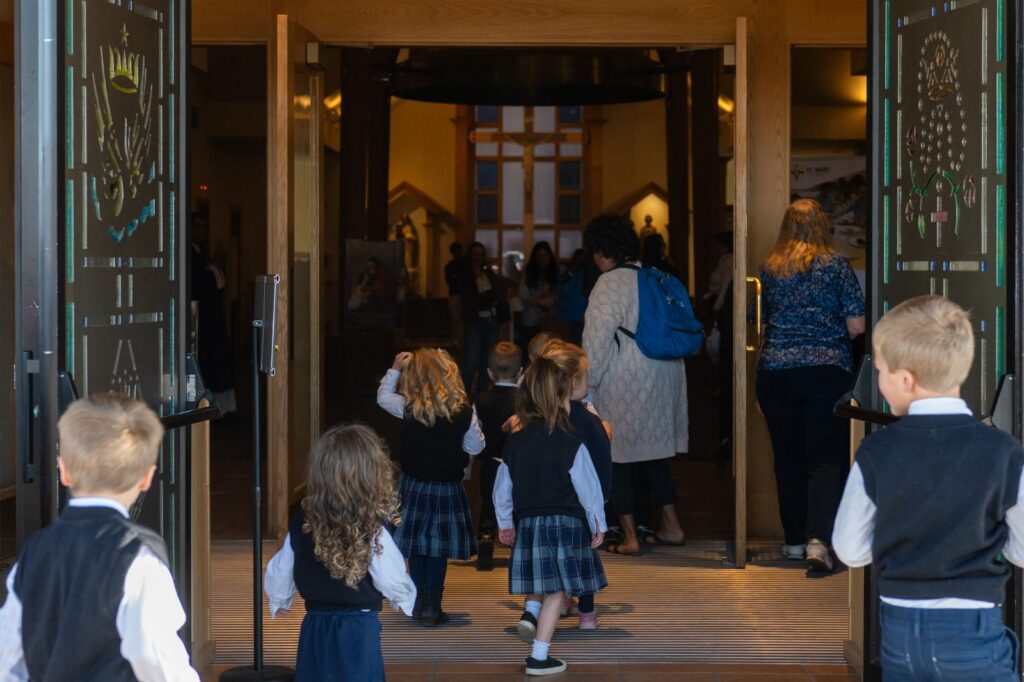
Two Catholic parishes with preschools in the Archdiocese of Denver have alleged the state of Colorado excluded the religious preschools from participating in the program due to their religious beliefs. The schools require faculty and parents to sign a “statement of community beliefs” acknowledging the Catholic Church’s teachings on topics including marriage, sexuality and gender.
But Colorado has argued the Catholic preschools ran afoul of a nondiscrimination rule in the program that prohibits participating schools from refusing admission to any child on the basis of the sexual orientation and gender identity of the child or the child’s family.
“The Archdiocese of Denver schools exist to pass on the faith to the next generation,” Nicholas Reaves, senior counsel at Becket, a religious liberty law firm representing the schools, said during oral arguments. “To do this, they ask all families who enroll to be open to and supportive of the Church’s teachings. Because of this sincere religious exercise, the state has denied Colorado families the ability to use universal preschool funding at Catholic schools.”
Basis of opposition to Colorado policy questioned
Justice Sonia Sotomayor pressed Reaves, arguing, “The Catholic schools are not being excluded on their face. They’re choosing not to participate, because they won’t get an exemption.”
“For the Catholic Church, it’s not about excluding anyone based on who they are,” he replied.
Sotomayor continued, “They’re saying we’ll exclude your children, if their parents are homosexual.”
Reaves said, “All families, regardless of who they are, even if they’re Catholic, have to agree to the statement of community beliefs in good faith. That’s the requirement.”
According to the Vatican’s Dicastery for the Doctrine of the Faith’s 2024 declaration, “Dignitas Infinita” (“Infinite Dignity”), the Catholic Church holds “that every person, regardless of sexual orientation, ought to be respected in his or her dignity and treated with consideration, while ‘every sign of unjust discrimination’ is to be carefully avoided,” but opposes what it calls “gender theory.” The teaching document described sexual difference as “the greatest possible difference that exists between living beings,” which in humans “becomes the source of that miracle that never ceases to surprise us: the arrival of new human beings in the world.”
Justices question lawfulness of Colorado policy
Colorado Deputy Solicitor General Helen Norton argued that “Colorado welcomes religious preschools” to the program, sometimes called UPK.
“The only thing Colorado asks is that they comply with the same conditions that every publicly funded preschool must meet, religious and secular alike. UPK is neutral towards religion,” Norton said.
Justice Brett Kavanaugh questioned Norton on whether Colorado’s position was consistent with allowing single-sex preschools to participate in the program. Norton replied that biological sex is “not one of the characteristics enumerated in the UPK law.”
But more justices appeared inclined toward the preschools’ position. Chief Justice John Roberts remarked the effect of Colorado’s law seemed “pretty much the same” as a Maine law the court struck down in its 2022 Carson v. Makin decision. The court found that law improperly excluded religious schools from a public tuition assistance program.
Supreme Court to decide by next June
Kelley Robinson, president of the Human Rights Campaign, an LGBTQ+ advocacy group, argued in a Nov. 3 statement that the case “is straightforward — schools receiving public funds from a state universal preschool program cannot be allowed to use taxpayer dollars to leave LGBTQ+ families behind.”
“As the arguments made clear today, Colorado’s non-discrimination requirement ensures no family can be denied a quality education simply for who they are — it is lawful and should be upheld. Exclusion has no place in our educational system,” Robinson said.
During a brief press conference after oral arguments, Reaves likened Colorado’s position to a “‘no Catholics need apply’ policy.”
Colorado, he said, “argued that Catholic schools must abandon their religious exercise to participate in a program open to everyone else. It claimed that Catholic schools are the ones excluding families, even as Colorado excludes thousands of Catholic families, and it insisted with a straight face that a program can still be universal while shutting out families for their faith.”
Oral arguments took place the same day as the Nov. 3 elections.
A decision in the case is expected by the end of the Supreme Court’s term, which typically ends in June.
Kate Scanlon is a national reporter for OSV News covering Washington. Follow her on X @kgscanlon.
