


ORLANDO, Fla. (OSV News) — The U.S. bishops in a message to Pope Leo XIV June 10 thanked him for his new encyclical “Magnifica Humanitas” and for shining “the light of the Gospel and the tradition of the Church on the new opportunities and challenges posed by the rise” of artificial intelligence and “emerging technologies.”
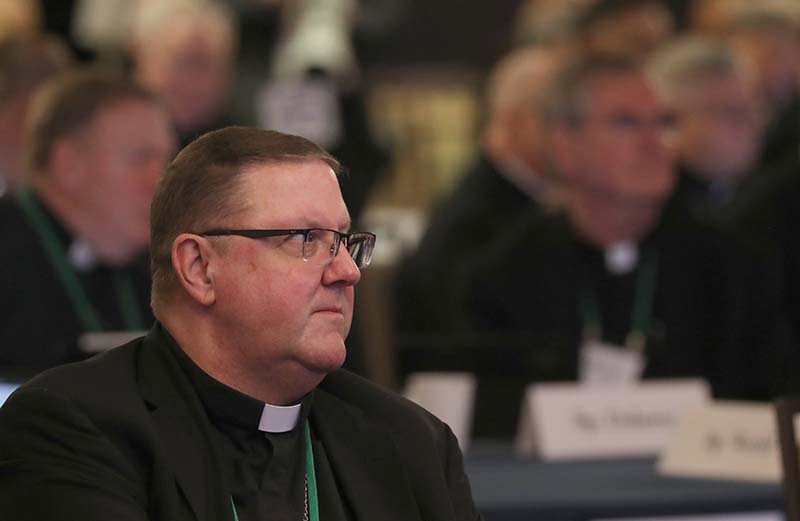
The message to the pope about the first encyclical of his pontificate, which was released May 25 and addressed the rising era of AI and “new forms of dehumanization,” was read aloud as the bishops opened the first of two public sessions during their spring plenary in Orlando.
“You remind us that we must never lose sight of the life and dignity of the human person amid these profound developments,” the bishops said in their letter. “May we never lose sight of the inherent dignity of all human life as we strive to ensure that technology serves the common good.”
The bishops assured Pope Leo “of our prayers and our communion with you in the ministry of Peter.”
“As your papacy marks its first year, we pray that you continue to be a guiding light for the Church and for the world,” they said.
Prayers amid conflict and rapid change
The U.S. bishops told the pope they joined him “in prayer for peace in our world as we continue to call for the defense of the most vulnerable, especially in areas of turmoil.”
“In this month of the Sacred Heart of Jesus, we humbly pray for the protection of all in harm’s way,” they continued, “and that through Jesus’ perfect and overflowing love, there may be peace in Iran, Israel, Palestine, Lebanon, Ukraine, Myanmar, Sudan, Nigeria, and all the areas of the world torn by conflict and strife.”
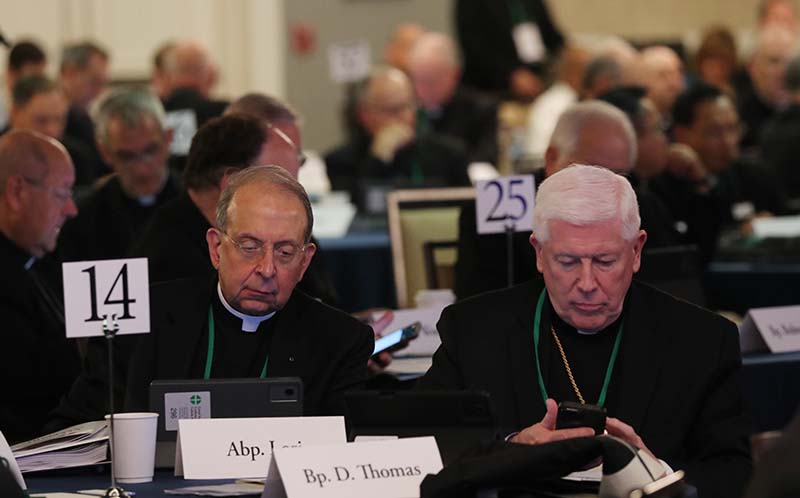
The bishops thanked Pope Leo for the teaching of his first encyclical letter.
“At a time of rapid cultural and technological change, when the world is asking pertinent questions about the role and value of the human person … you remind us that we must never lose sight of the life and dignity of the human person amid these profound developments,” the bishops said. “May we never lose sight of the inherent dignity of all human life as we strive to ensure that technology serves the common good.”
The bishops pointed to the Church’s “longstanding educational mission” as one example of those “areas for action” the pope wrote about in “Magnifica Humanitas,” where each person in their own way “can cooperate in building the civilization of love.”
“In an age marked at times by fragmentation, isolation, and uncertainty among the young, the Church’s educational tradition remains a vital model for authentic human formation,” the bishops said in their message. “Your call to draw ‘new maps of hope’ inspires renewed efforts to accompany young people with confidence in the truth of the Gospel and with trust in their God-given dignity and vocation.”
They said that “as shepherds” of the U.S. Church, they are mindful “of the responsibility entrusted to us to strengthen the faith of our people, accompany those who are searching for meaning, and bear witness to the enduring truth of Christ in every aspect of society.”
Facing immigration and tests to Church’s witness
They acknowledged the challenges “that test our witness,” including “the growing influence of secularism,” the struggles families and young people have “to live the faith, “the need for renewed vocations, and the call to protect the dignity of every human life, from conception to natural death.”
The bishops’ message to the pope also recalled their special pastoral message on immigration issued at their last fall general assembly, assuring Pope Leo that “we remain vigilant in calling our nation ‘to recognize the fundamental dignity of all persons, including immigrants.'”
Before the bishops’ special message was approved Nov. 12, 2025, with 216 votes in favor of it, it was amended on the floor to clearly condemn “indiscriminate mass deportation” alongside their call to end “dehumanizing rhetoric and violence, whether directed at immigrants or at law enforcement.”

The bishops in Orlando told the pope that as they stated in that special pastoral statement, and “mindful of our nation’s long history as a place of refuge and opportunity, we remain vigilant in calling our nation to recognize the fundamental dignity of all persons, including immigrants.”
“We bishops advocate for a meaningful reform of our nation’s immigration laws and procedures. Human dignity and national security are not in conflict,” they told the pope. “Both are possible if people of good will work together.”
Bishops entrust US to the Sacred Heart
“This week, as we consecrate the Church in the United States to the Sacred Heart of Jesus, we entrust our people, our families, and our communities to the Lord’s abundant mercy and healing love,” the bishops said.
In anticipation of the 250th anniversary of the signing of the Declaration of Independence, the U.S. bishops will consecrate the country to the Sacred Heart of Jesus June 11 during their plenary.
“In communion with Your Holiness, we pray that the Heart of Christ may renew the faith of our people, strengthen our charity, and make the Church ever more fully a sign of hope and unity in the world,” they said, concluding the message.
