


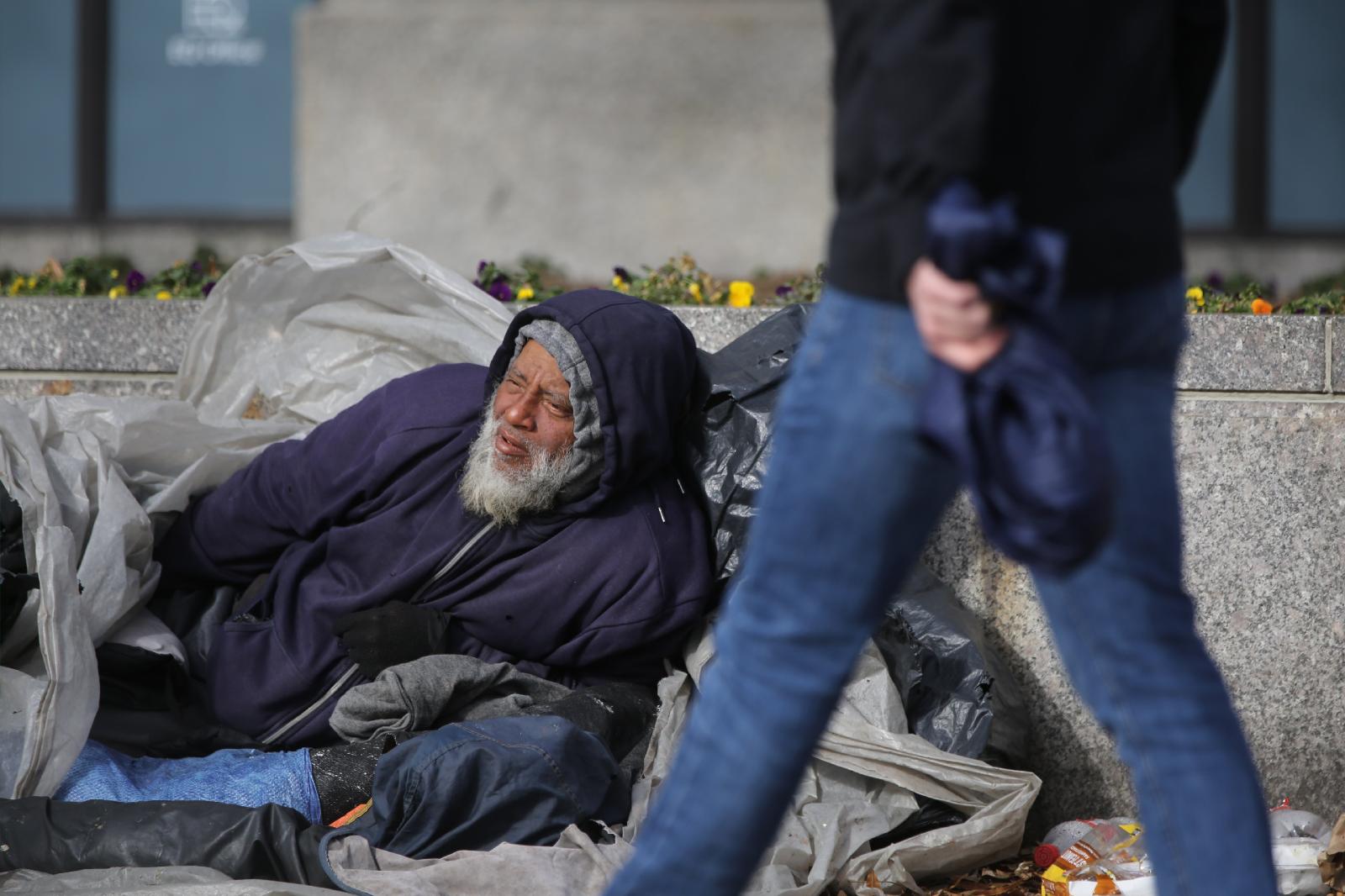
(Vatican News) — Homelessness must be addressed to create sustainable cities that enable every person to flourish and contribute to the common good, the Holy See’s Permanent Observer Mission to the United Nations said July 28.
“The persistence of homelessness should trouble the conscience of the international community,” the mission said in a message issued for the United Nations’ 2026 high-level meeting on the world body’s New Urban Agenda.
“Everybody deserves a place to call home, where they can build relationships, nurture family life, and participate fully in their community,” the message said. “Housing should therefore be viewed not just as a commodity or financial asset, but as a cornerstone of society at the service of the common good.”
The New Urban Agenda is a global roadmap for sustainable inclusive, and resilient urban development, according to the United Nations. Approved at the U.N. Habitat III conference in Quito, Ecuador, on Oct. 20, 2016, and endorsed by the U.N. General Assembly, it provides guiding principles for managing cities through 2036. The high-level meeting celebrated the 10th anniversary of the agenda’s adoption.
‘Places of encounter, fraternity, hope’
“When cities are shaped by solidarity, inclusion and care for those most in need, they become more than mere places of residence and of work; they become places of encounter, fraternity and hope,” the Holy See mission said in its message.
It quoted Pope Leo XIV’s encyclical “Magnifica Humanitas,” on safeguarding the human person in the time of artificial intelligence, to underline how “development is truly human when it places people at the center.”
“This principle should guide the implementation of the New Urban Agenda in the decade ahead,” the Holy See mission emphasized.
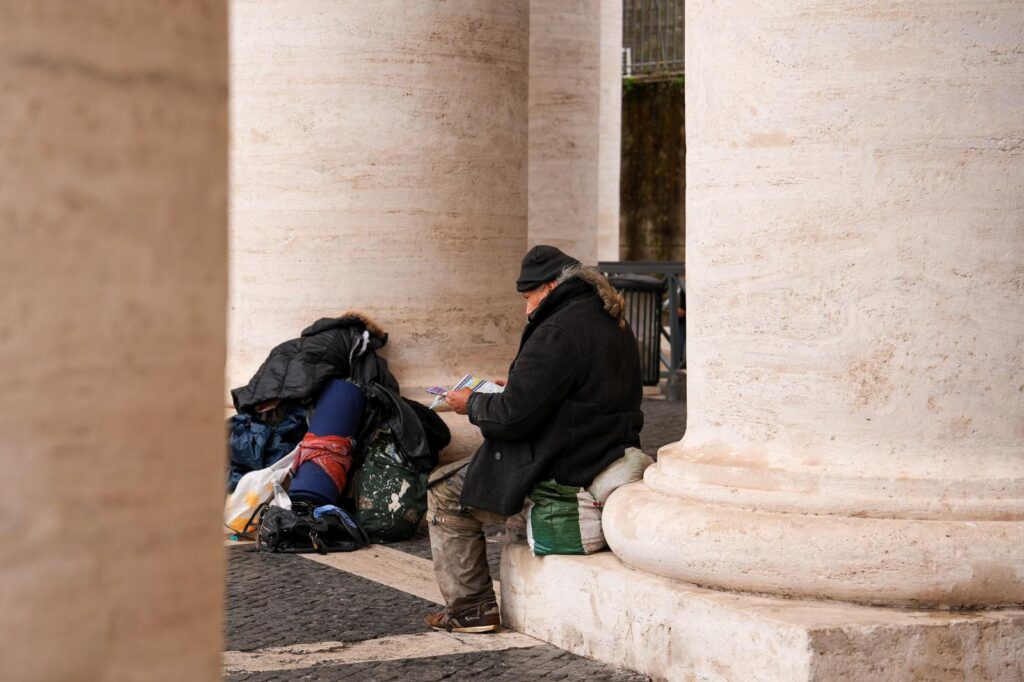
“Not having a home means more than just lacking shelter; it means being deprived of security, stability, privacy, and a sense of belonging,” it explained in its message. “Homelessness undermines the ability to exercise many fundamental human rights and often traps individuals and families in cycles of exclusion and poverty.”
Homelessness is an “affront to human dignity,” it said.
Invest more in ‘affordable and adequate housing’
The Holy See mission encouraged cities and countries to invest more “in affordable and adequate housing, as well as integrated social services,” and address the root causes of homelessness, such “as poverty, unemployment, drug addiction, mental health issues, family breakdown, displacement and conflict.”
This must be done through “meaningful participation of local communities, civil society, faith-based organizations” and those who have experienced homelessness themselves, it said.
The mission also noted the importance of pushing for housing policies that promote an integrated approach that takes into consideration the “strong links between education, employment, housing and health.” “This will also help to prevent exclusion and segregation,” it pointed out.
Importance of ‘renewed international solidarity’
The Holy See mission also emphasized the importance of “renewed international solidarity” through international cooperation, technology transfer, capacity building and adequate financing, especially to help least developed countries that struggle with rapid urbanization.
“Urban development cannot be measured solely by the height of its buildings or the strength of its economy,” the mission said, “but above all by its ability to enable every person to flourish by participating fully in society and contributing to the common good.”
Every city is a community of people, each endowed with its God given-dignity, it said. “The true measure of a sustainable city lies in how it treats all its members, and, consequently, in its capacity to address multiple forms of poverty, persistent inequalities and environmental degradation.”
Isabella H. de Carvalho writes for Vatican News. This story was originally published by Vatican News and distributed through a partnership with OSV News.
