


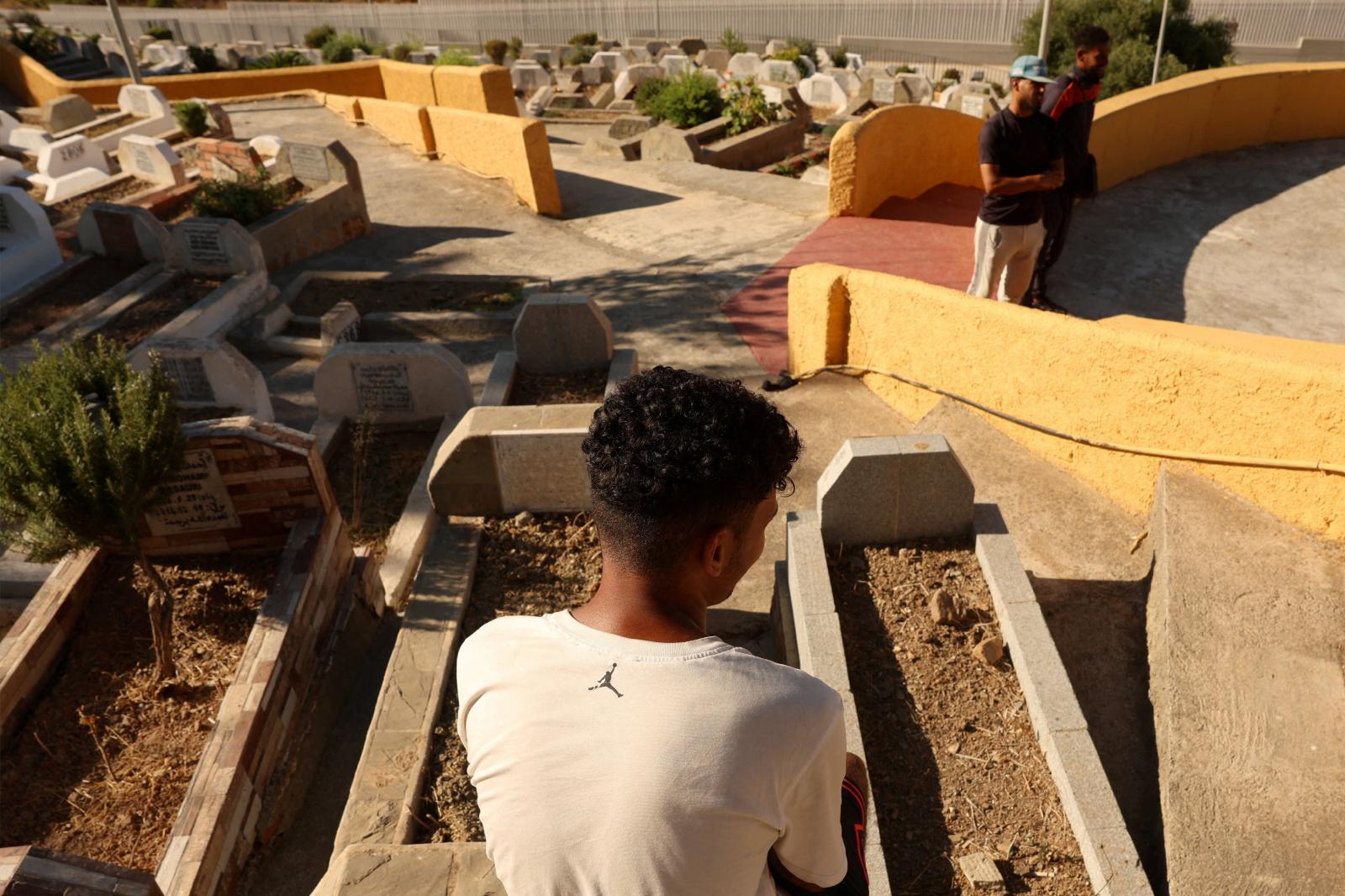
(OSV News) — Spain’s North African enclave of Ceuta is returning to normal a week after a massive migrant surge overwhelmed its borders, but Church leaders say the humanitarian and political fallout is far from over.
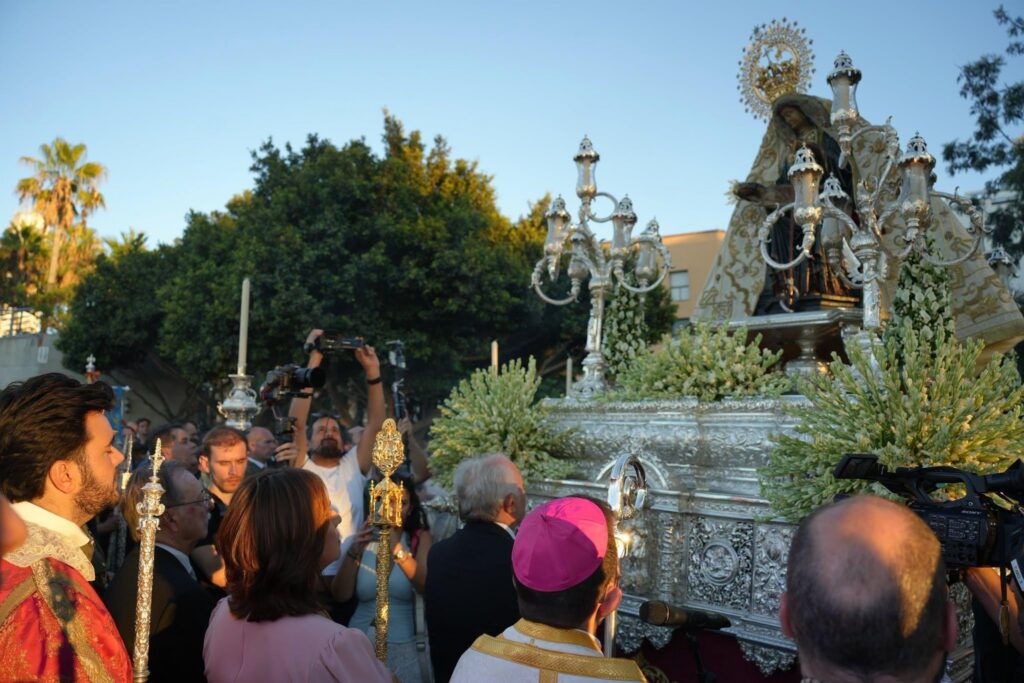
Local Catholics also gathered for the annual feast of Our Lady of Africa, turning the celebration into a sign of hope after the crisis.
“Hundreds of Church organizations have been providing aid, helping weave a fabric of solidarity in this humanitarian emergency,” explained José Francisco Serrano from Madrid’s Catholic San Pablo University.
“Yet Spanish society already views migration through the lens of partisan politics. What should be a matter of state policy has instead become a source of social tension.”
In an OSV News interview, Serrano said public opinion had viewed the Ceuta crisis with “bewilderment and despair,” with many accusing Morocco of using the migrants to “destabilize the borders of Spain and Europe.”
Most migrants have been returned to Morocco
The Catholic professor spoke as Spanish officials confirmed most migrants had now been returned to neighboring Morocco, enabling a traditional August Church festival to go ahead in the enclave, 11 miles across the Strait of Gibraltar from mainland Spain.
Hundreds of Ceuta residents flocked Aug. 4 to the Sanctuary of Our Lady of Africa to honor its patron saint, with the traditional floral offering held in Plaza de África.
“In a year marked by the difficult situation the city has faced, this event took on a particularly profound meaning, becoming an expression of faith, unity, and hope,” the diocese said on its website.
Meanwhile, another lay Catholic also praised the response of Church groups and local people, but told OSV News most political analysts believed the mass arrivals, Spain’s largest ever, reflected “geopolitical factors” rather than just “migration needs.”
‘People of Ceuta have remained calm’
“Despite understandable fears, the people of Ceuta have remained calm and not bought into hateful narratives,” said José Beltrán, director of Spain’s Vida Nueva news agency.
“Meanwhile, the Church has provided a voice of reason in this apparent chaos. It’s taken to the streets to rescue hungry and thirsty people, defending their dignity and denouncing attempts to exploit the migration phenomenon.”
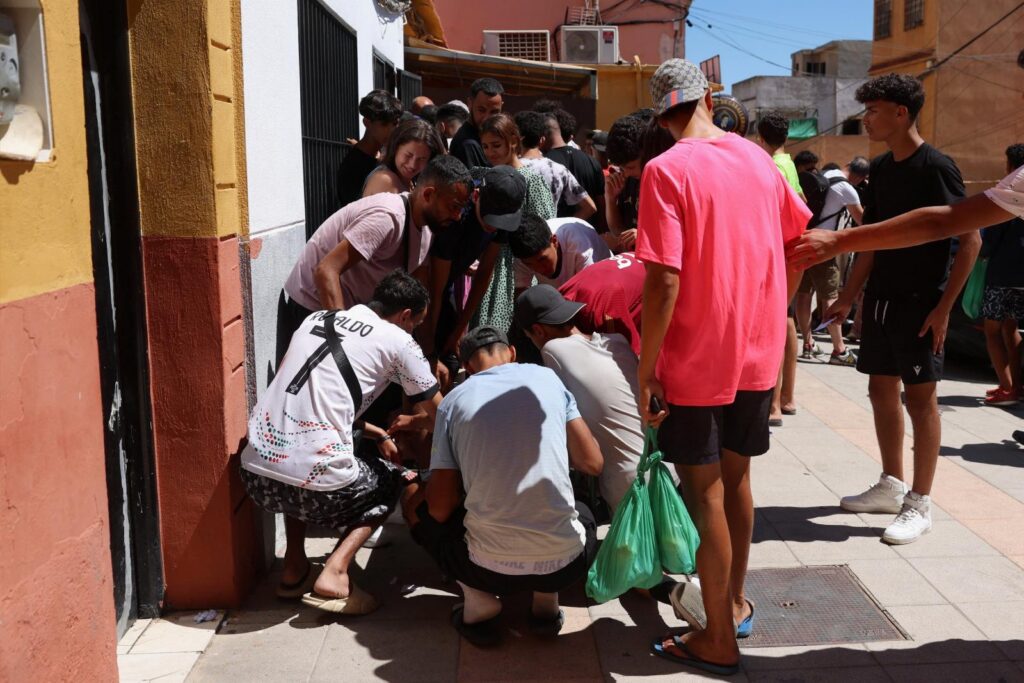
Over 75,000 mostly young people joined in the July 29-31 border surge at Ceuta, a tiny territory of 84,000, scaling its fences or swimming to its shoreline, prompting urgent appeals by the regional president, Juan Jesús Vivas.
At least 100 migrants, children included, were reported drowned or crushed to death in stampedes, Vivas confirmed in the European Parliament Aug. 6, adding that between 3,000 and 5,000 migrants were still in Ceuta, as reported by Reuters.
Spanish media said the mass action, involving migrants from as far afield as Sudan and Gaza, had been provoked by social media and organized crime gangs.
Breaking ranks with European Union
However, some Spaniards also blamed a spring decision by Prime Minister Pedro Sanchez’s socialist-led government to break ranks with the European Union and grant residence permits to over half a million unauthorized migrants — a move backed by Spanish bishops.
Spain’s Diocese of Cádiz-Ceuta, said that it had organized collections for the migrants, and placed personnel and resources at the disposal of Ceuta’s civil institutions.
Meanwhile, as criticism focused on Morocco for allowing the migrants to storm Ceuta, the Spanish bishops’ conference president, Archbishop Luis Argüello of Valladolid, warned in an Aug. 2 X post about people being “used for profit and power,” with migration exploited as “part of a strategy.”
During his June 6-12 pilgrimage to Spain, Pope Leo XIV visited migrant reception facilities on Spain’s Canary Islands, where thousands have died attempting perilous boat journeys from Africa.
“Human dignity has no passport and does not lose its value when crossing a border,” the pontiff warned, calling for safe pathways and cooperation against traffickers.
Pope’s appeals taking on ‘renewed relevance’
Serrano thinks the pope’s appeals have “taken on renewed relevance” during the latest crisis, as mass arrivals impact on national sovereignty, social stability and interstate relations, regretting they haven’t been heard by politicians seeking to capitalize on the scenes of disorder in Ceuta.
Beltrán added that “migration has been used as a weapon by parties especially on the far-right — and the current crisis in Ceuta is no exception, with some seeking to criminalize all migrants,” the Vida Nueva director told OSV News.
“Far from encouraging a humane migration policy in countries of origin, transit and destination, I fear this episode will merely spur the building of more walls,” he said.
This may already be happening.
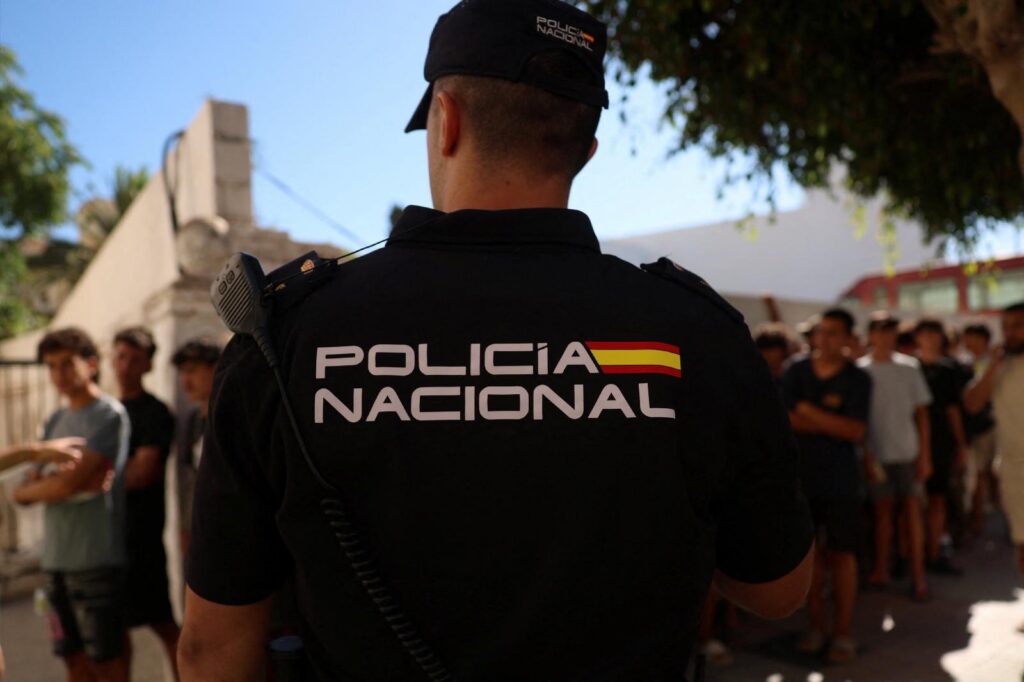
When the European Union’s interior ministers debated the Ceuta crisis on Aug. 4, they commended the “swift response” by Spain, which has pledged to work “firmly” to avoid further “violations” of its borders.
EU countries express concern over latest migrant crisis
However, at least 20 EU countries have expressed concern over the latest crisis, with some calling for the suspension of free travel under the key 1985 Schengen Agreement.
In an Aug. 4 interview, the Italian president of the Brussels-based Commission of the Bishops’ Conferences of the European Union, or COMECE, Archbishop Mariano Crociata, speaking to Italy’s Servizio Informazione Religiosa, said that “people’s lives must be protected in every way. If we’re incapable of this, everything else already tastes like a defeat for our humanity.”
The Spanish Church’s Caritas agency has delivered similar warnings, highlighting on Aug. 4 “the human suffering hidden behind migratory movements,” but also thanking the people of Ceuta for their solidarity and hospitality, despite disruptions to their daily life, public services and local institutions.
Just how far such warnings will be heeded remains to be seen.
On Aug. 5, Spain’s Archdiocese of Pamplona-Tudela publicly rebuked a local parish rector for accusing Sanchez’s government of being “submissive to the enemy” and demanding a “reconquest of Morocco.”
Care for migrants, concern for local communities
In an Aug. 3 editorial, Spain’s Catholic online publication Religion Confidencial cautioned that care for migrants should be matched by concern for affected local communities — “many faithful and Christians in Ceuta expected a stronger response from the Church in general and from the Diocese of Cádiz and Ceuta in particular,” the editors said.
Meanwhile, Auxiliary Bishop Ramón Valdivia of Sevillem, apostolic administrator of the Diocese of Cádiz and Ceuta, said the Church in Ceuta “has given the answer of God’s love” to the crisis and that “more than a migration crisis, the situation in Ceuta remains an international political crisis and an immense human tragedy, the full consequences of which have not yet been assessed.”
In a conversation with OSV News, Serrano insisted Spain needs immigrants to “sustain its productive fabric.”
“The Church’s prophetic message reminds us that people at the heart of these events are human beings — they must not be used as ideological pawns for confrontation,” the Catholic university professor told OSV News.
“But this crisis will undoubtedly alter European migration policy and Spain’s relationship with the EU — and it’s unlikely to move in the right direction regarding migration policy,” Serrano said.
Jonathan Luxmoore writes for OSV News from Oxford, England.
