


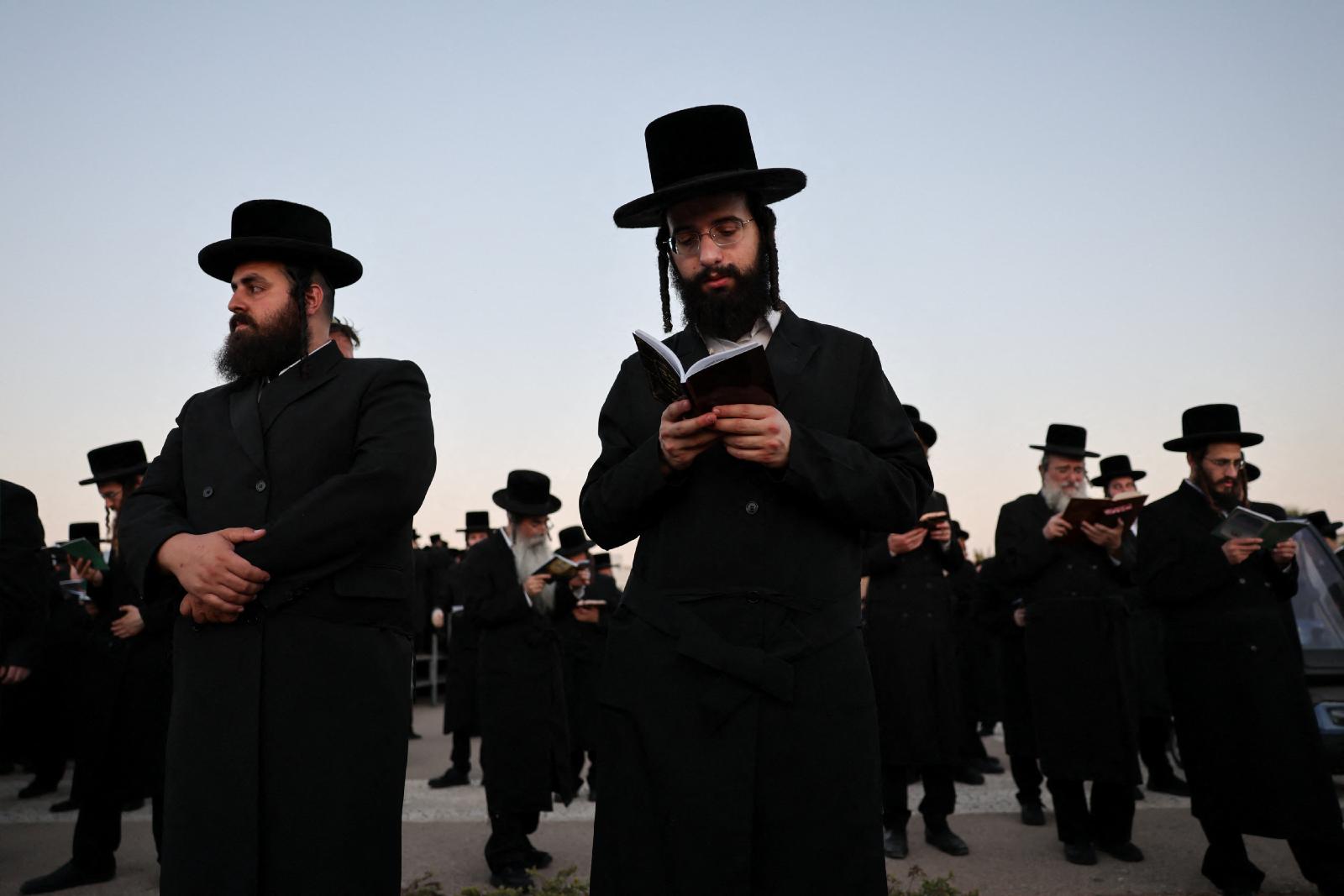
As the Jewish community marks the holiest day of its year, a U.S. Catholic bishop is extending his “warmest wishes,” while urging Catholics to reject antisemitism and recall the “deep spiritual bonds” between Jews and Catholics.
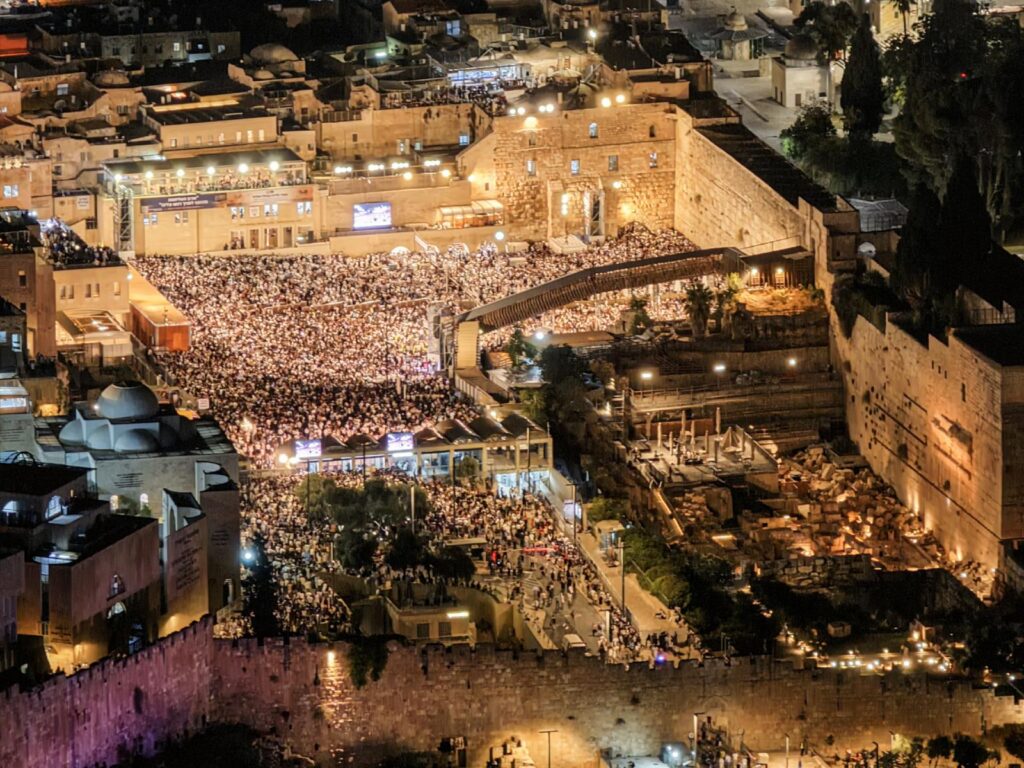
Yom Kippur, the Day of Atonement, will be observed in 2026 from sunset on Sept. 20 to nightfall on Sept. 21, the 10th day of the month of Tishrei in the Jewish liturgical calendar.
The holy day — which traces its roots to the people of Israel’s repentance after worshipping a golden calf, as described in Exodus 32 — is marked by close to 26 hours of intensive fasting, prayer and abstinence, including from food and drink.
Repentance, reconciliation resonate with Catholics
Repentance and reconciliation are central themes of Yom Kippur, and “also resonate deeply with us as Catholics,” said Bishop Joseph C. Bambera of Scranton, Pennsylvania, chair of the U.S. Conference of Catholic Bishops’ Committee on Ecumenical and Interreligious Affairs.
In a Sept. 18 video message posted to the USCCB’s YouTube channel, Bishop Bambera said that Yom Kippur — which follows “the joy of renewal” recently celebrated on Rosh Hashanah, the start of the Jewish year — “invites a searching examination of the year that has passed and a commitment to the year ahead.”
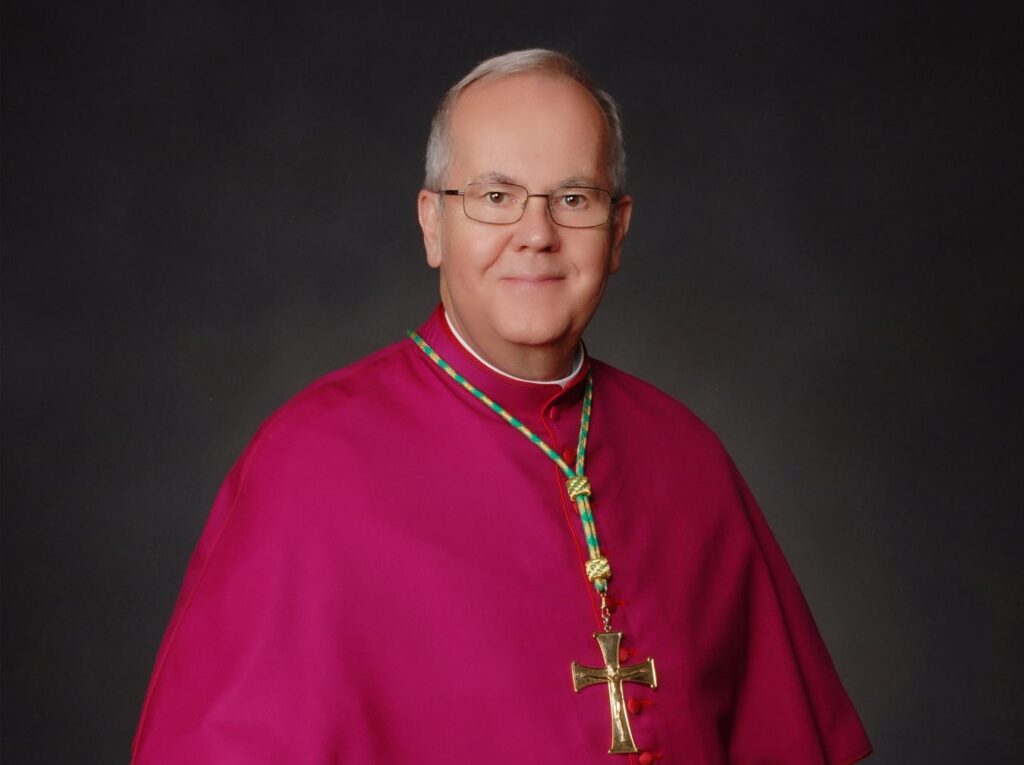
“At the heart of this observance is the recognition that our relationships with God and with one another call us continually to reflection, repentance and renewal, to consider how we can live more faithfully and more generously,” said Bishop Bambera.
‘Deep spiritual bonds’
Noting that Jewish and Catholic faithful both seek to restore their connection to God and others, Bishop Bambera said, “Our relationship with the Jewish people is not simply a matter of dialogue between two religious communities.”
Rather, he said, “It is rooted in the deep spiritual bonds that unite us, including our shared patrimony and the scriptural heritage from which both our traditions draw.”
He added, “That is why building genuine friendship and understanding between Jews and Catholics matters so deeply.”
For those same reasons, said Bishop Bambera, “we must reject antisemitism in all its forms and work together to ensure that the Jewish people can live and worship free from hatred and fear.”
Rejecting antisemitism
In its 1965 declaration “Nostra Aetate,” the Second Vatican Council affirmed the spiritual patrimony between the Catholic Church and the Jewish people, decrying “hatred, persecutions,” and displays of antisemitism “directed against Jews at any time and by anyone.”
That teaching, consistently reaffirmed and deepened over the ensuing decades by papal teachings, was most recently highlighted by the Vatican in “A Journey of Hope: Sixty Years of Interreligious Dialogue and Fraternity in the Light of the Conciliar Declaration Nostra Aetate.'”
The 8,600-word note, approved by Pope Leo XIV June 22 and released Sept. 16, was the result of a collaboration among the Vatican’s Dicastery for the Doctrine of the Faith, the Dicastery for Promoting Christian Unity — which also oversees religious relations with Judaism — and the Dicastery for Interreligious Dialogue.
In their note, the dicasteries emphasized that Jewish-Christian dialogue cannot be regarded as “secondary,” but as “a matter of becoming fully aware of one’s own original identity.”
Called to deepen understanding of Judiasm
Bishop Bambera said Catholics “are called not only to oppose antisemitism when it appears, but also to deepen our understanding of Judaism and of the Jewish people.”
Relationships that “have grown between our communities” following the Second Vatican Council’s declaration “remind us that dialogue is not merely an exchange of ideas,” he said.
“At its best, it creates friendships, builds trust, and helps us recognize our responsibilities toward one another,” Bishop Bambera said. “On this Yom Kippur, may the year ahead bring greater understanding, friendship and peace among our communities.”
He closed his message with the traditional Jewish High Holiday greeting “G’mar chatima tovah” (“a good final sealing”), referencing the Jewish belief that the divine Book of Life, inscribed on Rosh Hashanah, is sealed on Yom Kippur.
Gina Christian is a multimedia reporter for OSV News. Follow her on X @GinaJesseReina.
