


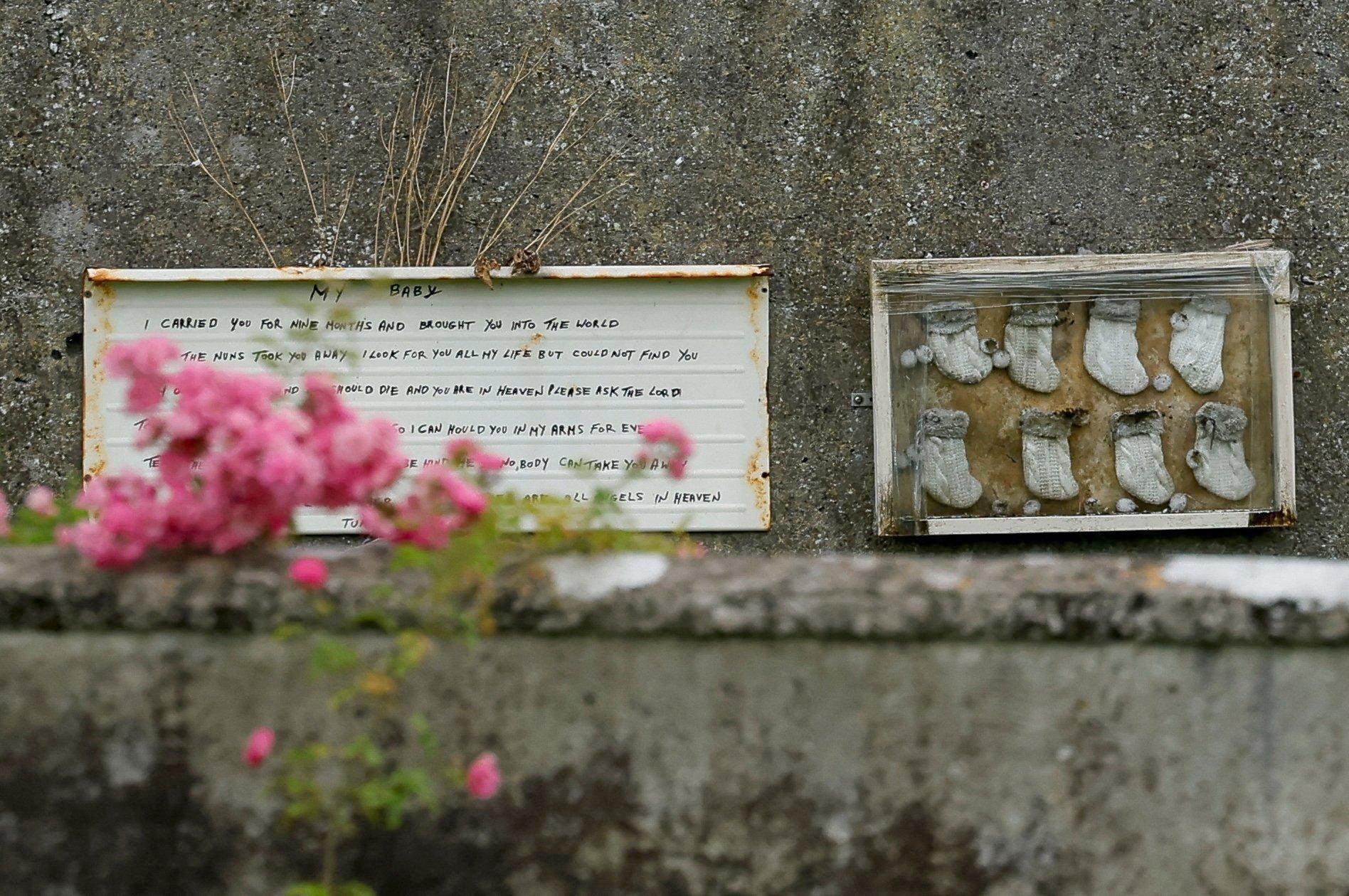
DUBLIN (OSV News) — A new update from the excavation at Ireland’s former mother and baby home in Tuam is challenging years of widely circulated claims that children’s remains were “dumped” at the site, with investigators reporting that all 109 sets of remains recovered so far show evidence of having been buried in coffins.
According to the latest technical update, issued Oct. 2, the remains of 109 bodies have been found in a dig at the home in Ireland, which is believed to be the final resting place of almost 800 infants.
All of the bodies discovered during the excavation so far, which began in July 2025, show evidence of being buried in coffins, according to updates released by the investigators.
The home in Tuam in the west of Ireland was run by the Bon Secour Sisters on behalf of the Irish government from 1925 until 1961.
Mother and baby home a center of global controversy
St. Mary’s Mother and Baby Home in County Galway became the center of a controversy that made headlines across the globe in 2014 after a local historian, Catherine Corless, discovered death certificates for 796 children but no corresponding evidence of burial.
Subsequently, a 2017 investigation found evidence of what investigators described as “significant quantities of human remains” in underground chambers beneath a memorial garden. They formed part of an unused sewage system.
Media reports at the time accused the sisters of “dumping” the remains of the children in a septic tank. Corless contradicted these claims, telling The Irish Times in 2014 that she “never used the word ‘dumped,'” insisting that “they are not my words.”
Nevertheless, headlines spread globally.
“Tell us the truth about the children dumped in Galway’s mass graves,” The Guardian wrote. “Almost 800 ‘forgotten’ Irish children dumped in septic tank mass grave at Catholic home,” ABC News, Australia, reported.
So far there have been nine updates from the dig, which is being carried out by an agency known as the Office of the Director of Authorized Intervention, Tuam, or ODAIT, established by the Irish state after it commissioned the dig in 2022.
The project is part-funded by the Bon Secour Sisters, who contributed $2.81 million to the dig, having previously apologized for the “disrespectful and unacceptable way” some children and infants were buried.
The most recent update released Oct. 2 covers a period of 11 weeks until Sept. 30. Some 10 sets of remains were discovered in that time in an area in the south-west of the site.
All children buried in coffins ‘painted white’
In an update from April, the team of international experts tasked with the forensic excavation of the site said results indicated that the infants were “buried in coffins which have since decayed.”
“The evidence indicates that the majority of coffins were single shouldered with mounts and had been painted white,” the report stated.
The report also noted that in a limited number of cases there was evidence of two or three bodies being buried in the same coffin.
The dig has not yet excavated the area of a memorial garden where investigators found the remains in 2017.
Its recent work has concentrated on two areas on the southwest of the site, in addition to a subterranean chamber discovered during the present dig. These areas are marked on historical documents as a “burial ground.”
It was used both by the sisters and by a workhouse that preceded the mother and baby home, according to ODAIT reports.
All of the 109 bodies discovered so far relating to the mother and baby home were discovered in this area.
DNA samples gathered
As part of the excavation, analysts are also taking DNA samples in a bid to identify the remains.
So far, a total of 74 DNA samples have been gathered, according to the latest report, while legislation is being amended to allow first cousins to give samples.
It is expected the excavation will go on until 2027, with follow-up work continuing for another three years.
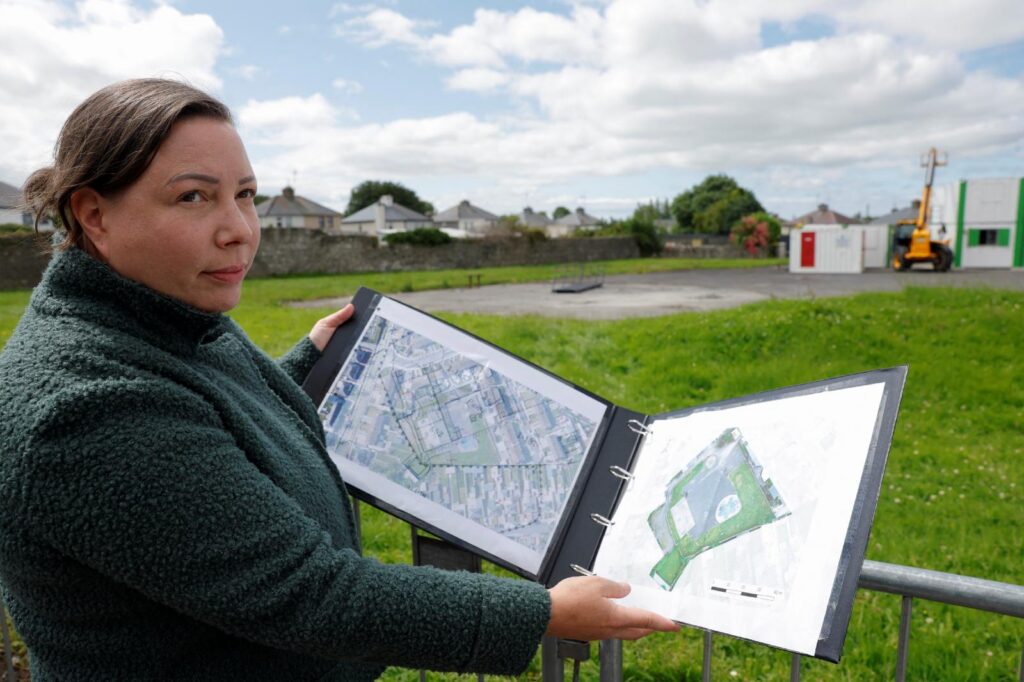
Institutions offering care and refuge for both married and unwed mothers and their children, such as St. Mary’s in Tuam, were common in the period after Ireland gained independence in 1922.
Many of these were run by religious orders at the request of the new government, at a time when there was insufficient infrastructure, funds and personnel for the state to care for the women themselves.
Sisters were not in charge of the burials
An interim report released in 2019 as part of a state inquiry into the mother and baby homes established that the sisters were not in charge of the burials at Tuam.
It said this responsibility lay with the local state authorities who owned the home and failed to keep burial records.
The complete report released in 2021 also included as part of its findings a 1947 assessment on the Tuam home from a state inspector, Alice Litster.
Litster noted the high infant mortality, but said the nuns were “careful and attentive” toward the children and laid the blame at the foot of Galway County Council, which she said provided insufficient resources to the Bon Secours to control the spread of disease.
Ruadhan Jones writes for OSV News from Dublin.
