


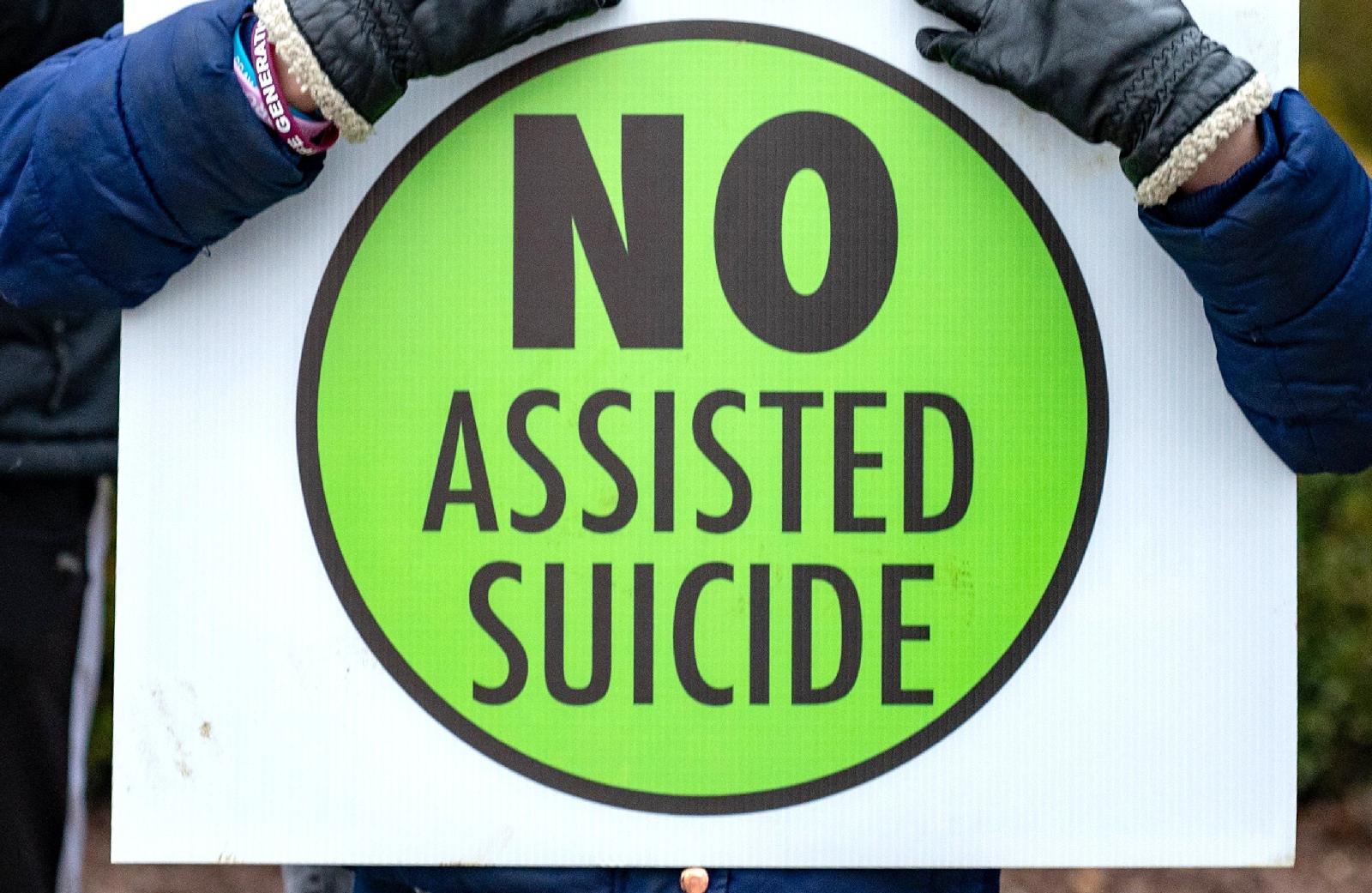
ROCKFORD, Ill. (OSV News) — On May 10, 2022, Jozef Zalot’s father died in the afternoon. That morning, he said, as his father received a morphine drip of 1 mg in a hospital in Springfield, Massachusetts, a floor nurse said to him, “Joe, if you want, I can up the dose to get him over the hump.”
“I turned and I glared at her and I said, ‘What did you just say to me?’ … and she backed up, just like that,” said Zalot. “I experienced this. And this is what people experience. It’s misplaced compassion.”
Zalot, a bioethicist and director of education with the National Catholic Bioethics Center in the Philadelphia suburb of Broomall, pointed out that to this day, Massachusetts has not legalized physician-assisted suicide. Yet, he said, even if so far, just 13 states and the District of Columbia have legalized assisted suicide, the mindset he described is prevalent across the country.
“Many faithful Catholics don’t really know or don’t really understand what the Church teaches or if they understand … they don’t understand why. That’s the first thing. … The second thing is to start to demonstrate to people, well, what happens when you legalize physician-assisted death?” Zalot told OSV News.
He made the comments in an interview ahead of a Sept. 26 workshop he was scheduled to hold in Chicago for clergy, priests and others in pro-life ministry to help them apply Church teaching on physician-assisted suicide.
Illinois law allowing physician-assisted suicide took effect Sept. 12
In Illinois, the End of Life Options for Terminally Ill Patients Act took effect Sept. 12 and pro-life groups, both Catholic and non-Catholic, have been scheduling educational events throughout September and beyond, about the law and what the Church’s teachings are.
The law allows for patients with a prognosis of six months or less to live to request powerful prescription drugs at very high doses that would hasten death. A terminal diagnosis from a doctor must have the concurrence of another doctor.
A patient needs to have the mental capacity to choose the option and be able to self-administer the lethal cocktail. And, if necessary, a healthcare professional, such as a pharmacist or social worker, would have to determine the patient’s mental fitness to do this.
The cause of death on the death certificate cannot be listed as suicide and must be the original terminal illness. Medical professionals who object to carrying out their patients’ requests for assisted suicide must refer them to others who would fulfill the request and ensure the rapid transfer of patient records to the consenting healthcare workers.
‘Suicide is always as morally objectionable as murder’
St. John Paul II’s encyclical “Evangelium Vitae” reiterates Church teaching that “suicide is always as morally objectionable as murder. The Church’s tradition has always rejected it as a gravely evil choice.”
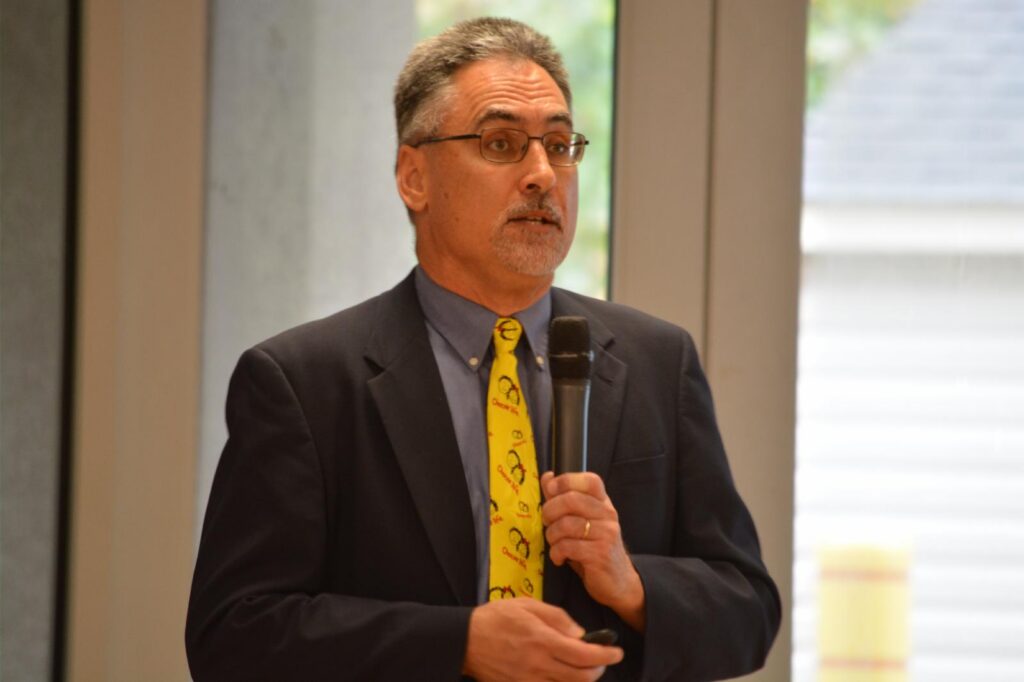
Robert Gilligan, executive director of the Catholic Conference of Illinois, spoke Sept. 19 at a continuing education workshop for deacons and pro-life ministers in the Diocese of Rockford, Illinois, on navigating the new law. He said the Illinois bishops have put out a letter through parish bulletins across the state to guide the faithful on what steps to take now that the law is enacted. Gilligan said talking to elderly parents is especially critical.
He explained, “You’re healthy today, but someday in the future, we don’t know. We’d rather have this conversation now, about what are your wishes? … And who do you want to walk in your shoes if something should happen? So these are good conversations to have, more education and more awareness is what we’re trying to do. Educate about end of life care. Make sure people know about it, and try to get families more involved with caring for their loved ones.”
Accompany the suffering with compassion
Gilligan said equally important is practicing compassion to better accompany them through health difficulties at the end of life.
Illinois Right to Life, or IRL, which reaches about 90,000 people across the state through email blasts, has received more than 30 invitations so far to speak at schools, churches and public gatherings across Illinois about the new law, according to Mary Kate Zander, president of IRL.
Zander said Steve Jacobs, IRL’s in-house physician-assisted suicide expert who is also an attorney, will tour with “essentially a response program that … provides resources to patients, family members, caregivers, physicians … (on) how to understand the law and maneuver the law.”
Jacobs is also a consulting attorney with the Thomas More Society, which is representing Bishop Thomas J. Paprocki of Springfield, Illinois, four Catholic doctors and a Lutheran nursing home in fighting aspects of the law. So far, four lawsuits have been filed, several on freedom of religion and free speech grounds.
Simone Orendain is an OSV News correspondent. She writes from Chicago.
