


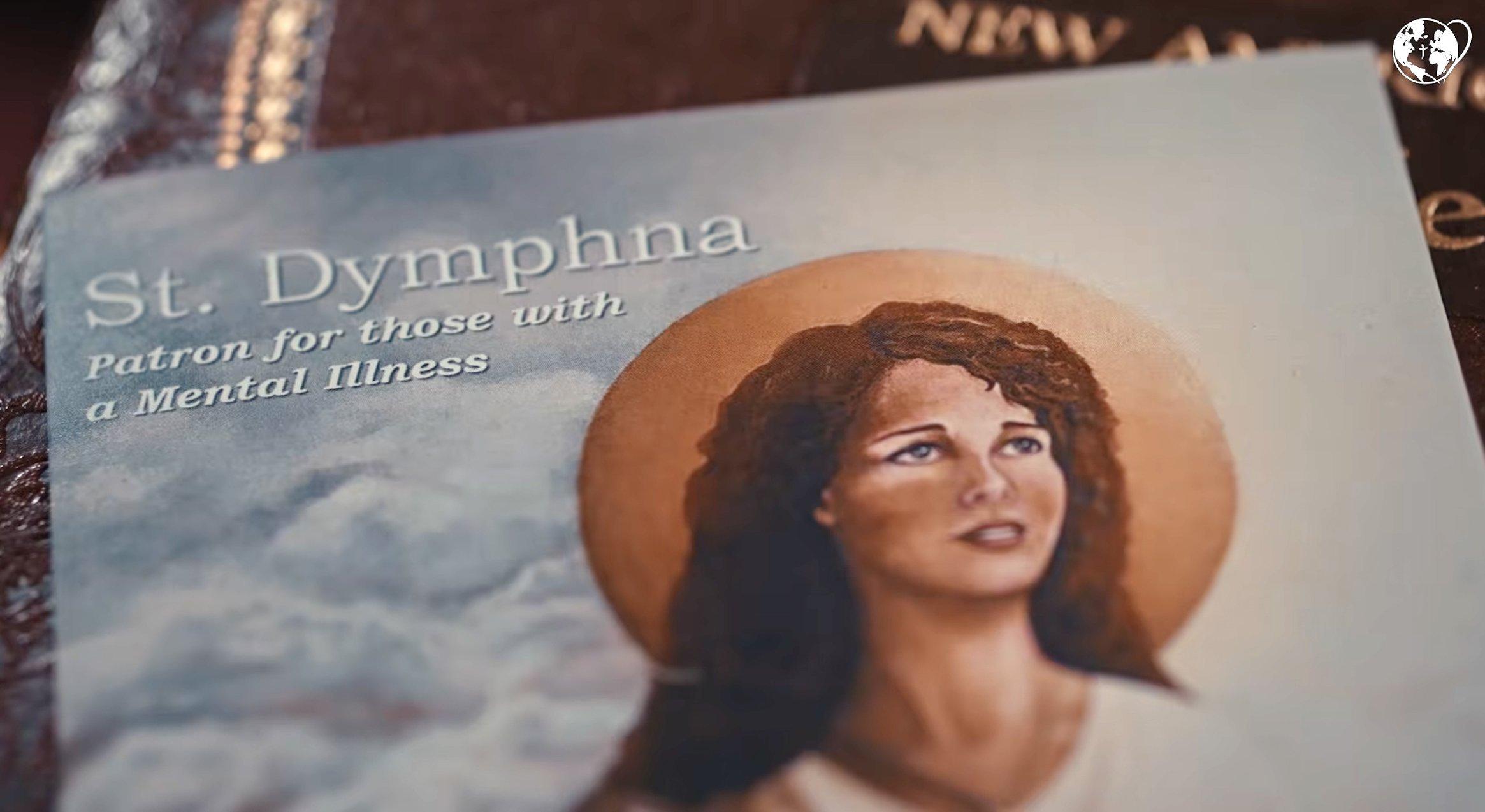
VATICAN CITY (CNS) — A U.S.-based Catholic association dedicated to mental health ministry released two new online resources to help lay Catholics understand the signs of mental health struggles and how to better accompany those seeking help.
Sometimes a loved one or acquaintance seems “irritable, emotional or just absent from things they used to love. But you’re not sure what’s wrong. Most of us don’t. We weren’t trained to recognize mental illness,” a trailer for the free video courses said.
“We want to help. But we’re afraid of saying the wrong thing, making it worse,” it said, especially by offering the usual platitudes: “Time heals all wounds”; “God has a plan”; and “God never gives us more than we can handle.”
Different members of the International Association of Catholic Mental Health Ministers presented the trailer for the courses at Vatican News headquarters Oct. 10, World Mental Health Day. The news conference was part of its international meeting being held in Rome and at the Vatican, dedicated to “A Healing Presence: The Church’s Call to Mental Health Ministry.”
Videos aim for mental health literacy
The new one-hour-plus video course on “mental health literacy” aims to help people recognize some of the signs and symptoms of the most common forms of mental illness, such as depression, bipolar disorder, addiction and trauma.
The two-hour course on “psychological first aid,” said Deacon Ed Shoener, founder and president of the CMHM global association, is “much like physical first aid, where you can approach someone who may be in trouble or hurting, patch them up, so to speak, help them along, accompany them, and then direct them to professional care.”
The courses are not meant to train people how to diagnose problems or to provide clinical treatment or advanced spiritual care, the video said. What they do is merge faith resources with the skills to recognize, speak about and support people showing signs of a mental health struggle or crisis so that everyday Catholics can learn how to be part of a mental health ministry team for their parish — not how to be a licensed therapist or counselor.
The video lessons include scenes shot at Our Lady of Mount Carmel Parish in Chicago with professional local actors recreating scenarios of what to do and not to do.
The National Institute of Mental Health estimated that more than 1 in 5 adults in the United States was living with a mental illness in 2022. Women, young people between 18 and 25 years old, and people of two or more races or ethnicities were just some segments of the population showing the highest reported incidence of a mental illness according to gender, age or ethnicity.
That means, in a parish of just 500 people, there could be well over 100 parishioners that might be struggling, the video said, encouraging Catholics to “look, listen and link” someone to the right resources.
Resources available for parishes to put pope’s intention into action
Andrea Sarubbi, director of outreach for the association, encouraged parishes, dioceses, media outlets and broadcasters to write info@catholicmhm.org for more information, and to look at its online learning center at learn.catholicmhm.org to create or strengthen a parish mental health ministry team, so that mental health ministry can be an integral part of every Catholic parish and community worldwide. The new videos are at catholicmhm.org/act-videos.
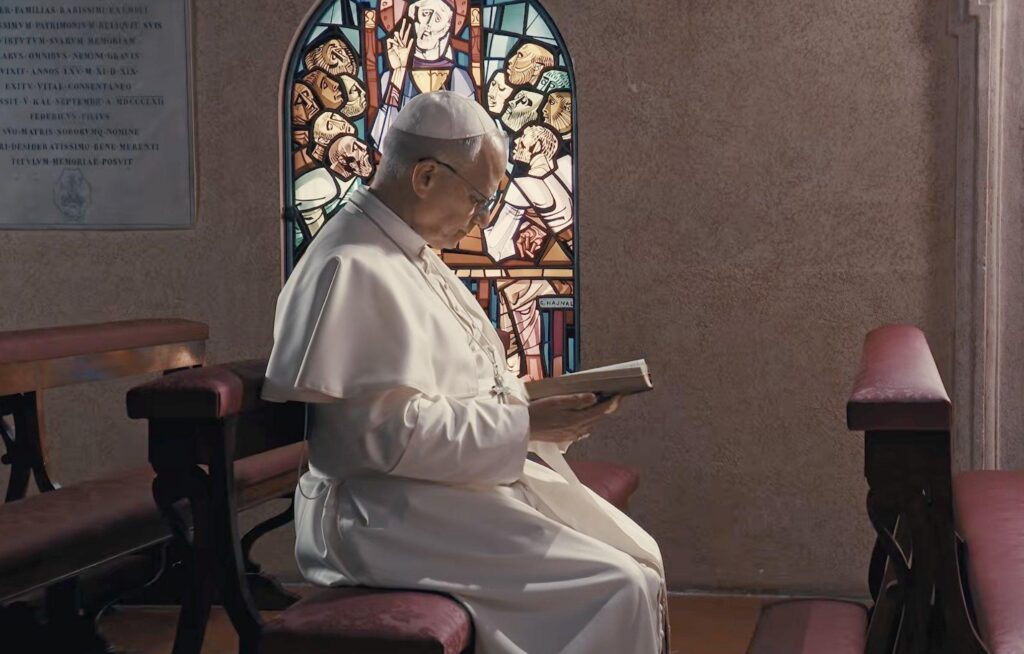
Pope Leo XIV’s prayer intention for October 2026 is dedicated to praying specifically for mental health ministries.
He asked that the Church be a “safe space where everyone has a place — a community that accompanies and never excludes, that listens without judging and draws near without fear” and he prayed that God give strength and compassion to all those who provide care.
The pope also underlined the need to ask for forgiveness for every time a Christian looked the other way or contributed to stigmatizing or discriminating against people with mental illnesses.
According to the Pope’s Worldwide Prayer Network, which produces and distributes the papal prayer videos, more than 1 billion people worldwide live with a mental disorder, and less than 2% of national health budgets are dedicated to public spending on mental health.
Carol Glatz is editor in chief of the Rome bureau of Catholic News Service.
