


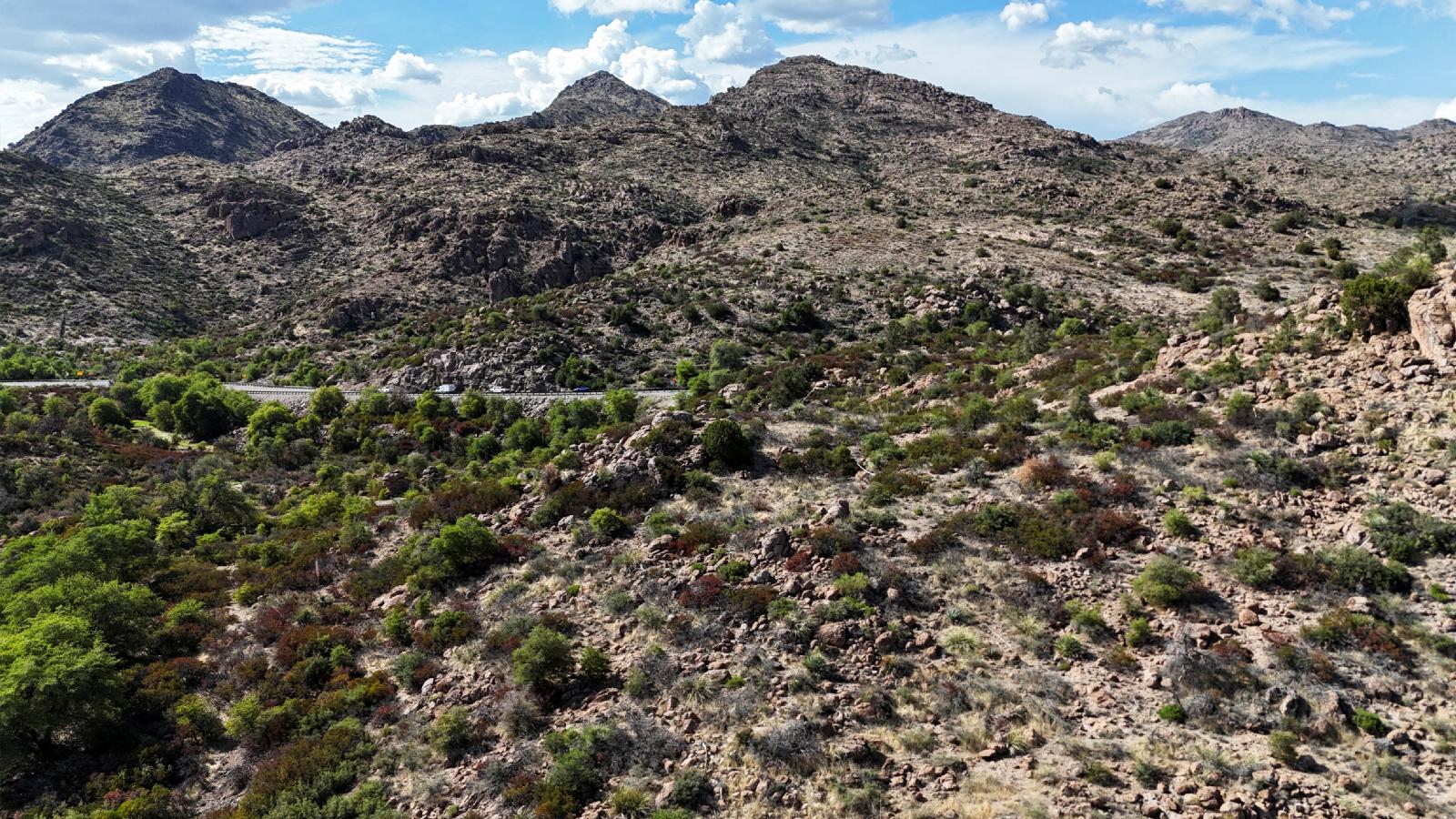
WASHINGTON (OSV News) — An Indigenous coalition filed an updated lawsuit in federal district court in Phoenix on April 22, their latest attempt to block a land transfer including their sacred site at Oak Flat, Arizona, from protect the site from destruction by a copper mining giant.
In March, the Trump administration said it planned to proceed with the copper mining project, arguing it would increase U.S. manufacturing, despite continued appeals from Native peoples.
Luke Goodrich, vice president and senior counsel at Becket, a religious liberty law firm representing the plaintiffs, said in a statement, “The feds rushed the Oak Flat transfer through under cover of darkness because they wanted to dodge meaningful judicial review.”
“That was as illegal as it was brazen,” Goodrich said. “The court should rescind the illegal transfer and protect the freedom of Western Apaches to continue worshipping at Oak Flat for generations to come.”
The lawsuit stated that “the government is now attempting to transfer Oak Flat to a foreign-owned copper-mining company for the sole purpose of creating a mine that will destroy the site, swallowing it in a massive crater and ending Apache religious rituals forever.”
In written comments provided to OSV News, a spokesperson for Resolution Copper said, “Settled law supports the Congressionally directed land exchange and advancement of this project.”
“Courts at every level have consistently ruled in favor of Resolution Copper — including on the very same claims that are recycled in this newest filing,” the statement said. “Three different presidential administrations have also supported this project. It is time for the meritless litigation to end.”
Apache Stronghold’s long litigation fight
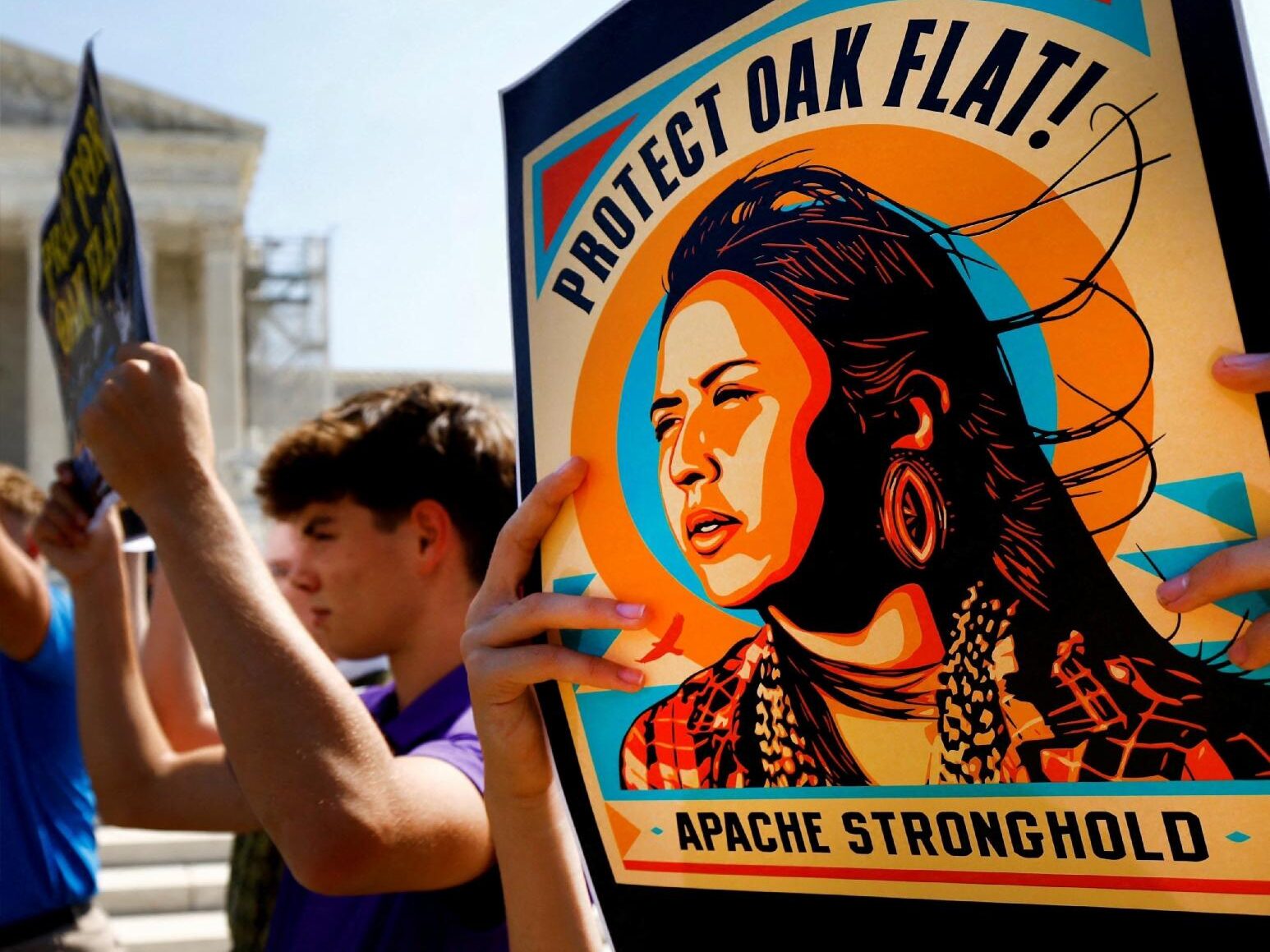
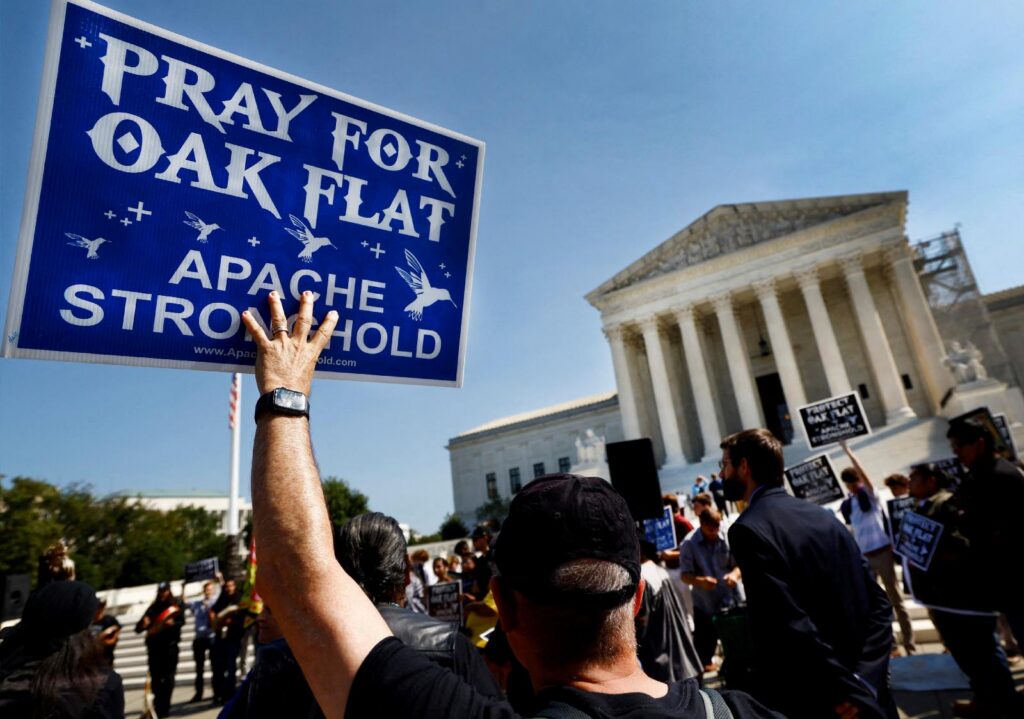
The coalition, using the name Apache Stronghold, previously filed a series of lawsuits and appeals to protect Oak Flat, eventually reaching the U.S. Supreme Court. A broad range of religious organizations — including the U.S. Conference of Catholic Bishops — had argued the high court should hear the coalition’s plea, because the case had serious implications for the scope of the Religious Freedom Restoration Act.
That law prohibits the government from placing a substantial burden on a person’s exercise of religion without compelling government interest, and even in those circumstances that they do so by the least restrictive means.
But the Supreme Court in May 2025 declined to take up the case. In a dissent, Justice Neil Gorsuch, joined by Justice Clarence Thomas, argued the court made “a grave mistake” in declining the case, arguing it met their standards for hearing the appeal.
“Before allowing the government to destroy the Apaches’ sacred site, this Court should at least have troubled itself to hear their case,” he wrote.
The coalition continued their appeal, but in March, the 9th U.S. Circuit Court of Appeals declined their case, citing the Supreme Court’s rejection of the case.
Economic versus religious liberty concerns
Oak Flat is considered a sacred site by the region’s Indigenous peoples and is on the National Register of Historic Places. However, after the discovery of copper deposits on the land, in December 2014 Congress authorized the U.S. Forest Service to swap the land for other sites with Resolution Copper and lifted a mining ban on Oak Flat.
“We will never stop fighting,” Wendsler Nosie Sr. of Apache Stronghold said in a statement. “This is a struggle for the soul of our people. Oak Flat is where generations of Native peoples have come to connect with the Creator and Mother Earth. We pray the court reverses this illegal land grab so we can continue those time-honored traditions.”
The spokesperson for Resolution Copper argued an independent review of the project by the U.S. Forest Service “included extensive consultation and collaboration with numerous Native American Tribes, local communities, civil society organizations, and a dozen federal, state, and county agencies,” and that a “collaborative co-design process has directly led to major changes to the mining plan to preserve access to Oak Flat and physically avoid areas of cultural significance identified by Tribes.” The statement also argued the project will benefit Arizona’s economy and will create jobs in the region.
Testimony regarding the threat of the destruction of Oak Flat, known by the Apache as Chi’chil Bildagoteel, was among the topics considered at the inaugural meeting of the Justice Department’s Religious Liberty Commission on June 16.
The mine is expected to open by the mid-2030s, Reuters reported in March.
Kate Scanlon is a national reporter for OSV News covering Washington. Follow her on X @kgscanlon.
Story updated April 23 at 5:00p.m. EDT
