


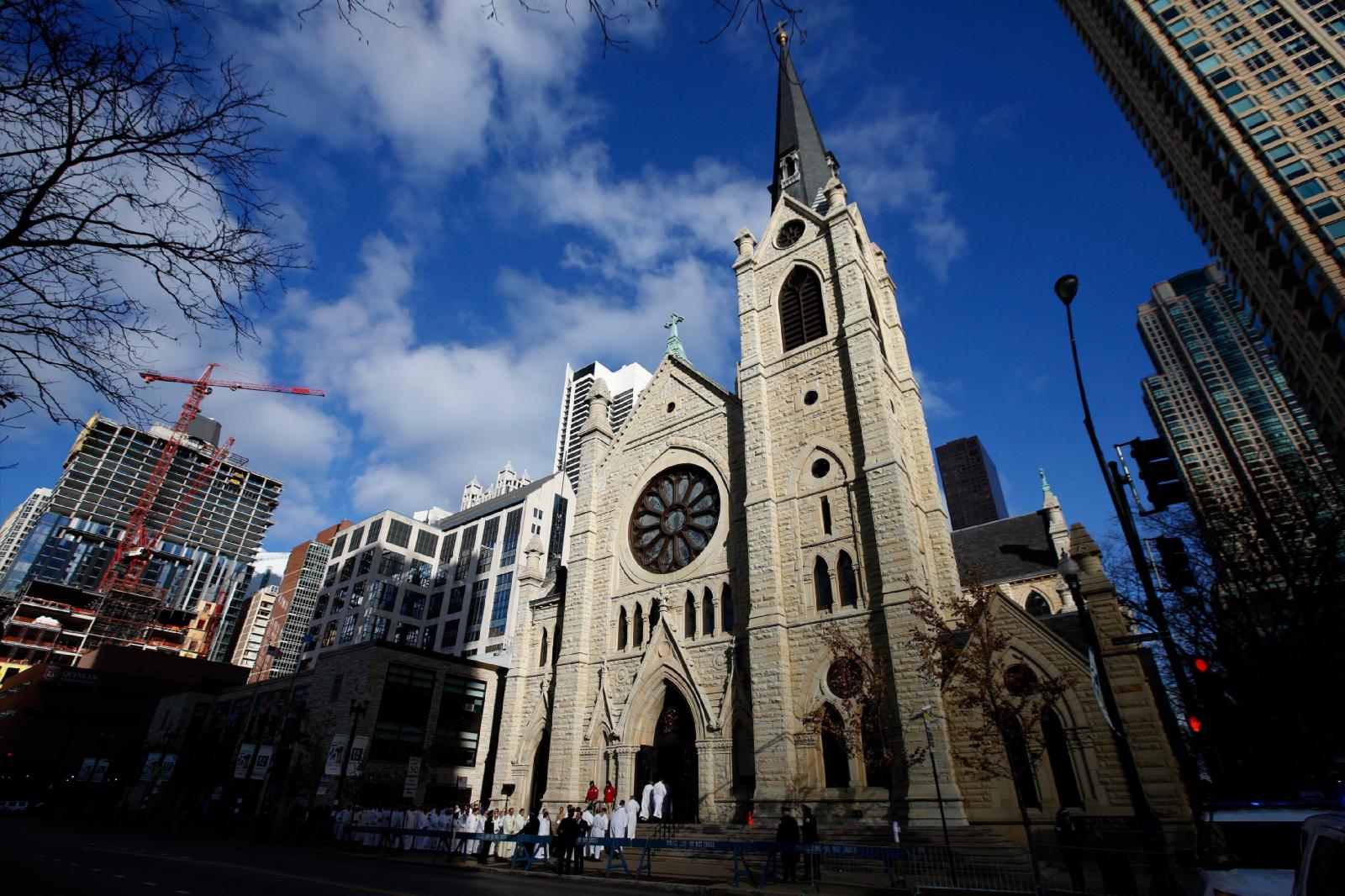
CHICAGO (OSV News) — The Archdiocese of Chicago has been given the go-ahead to proceed with its countersuit against abuse settlement claimants who received payouts or had pending settlements after filing allegedly false claims.
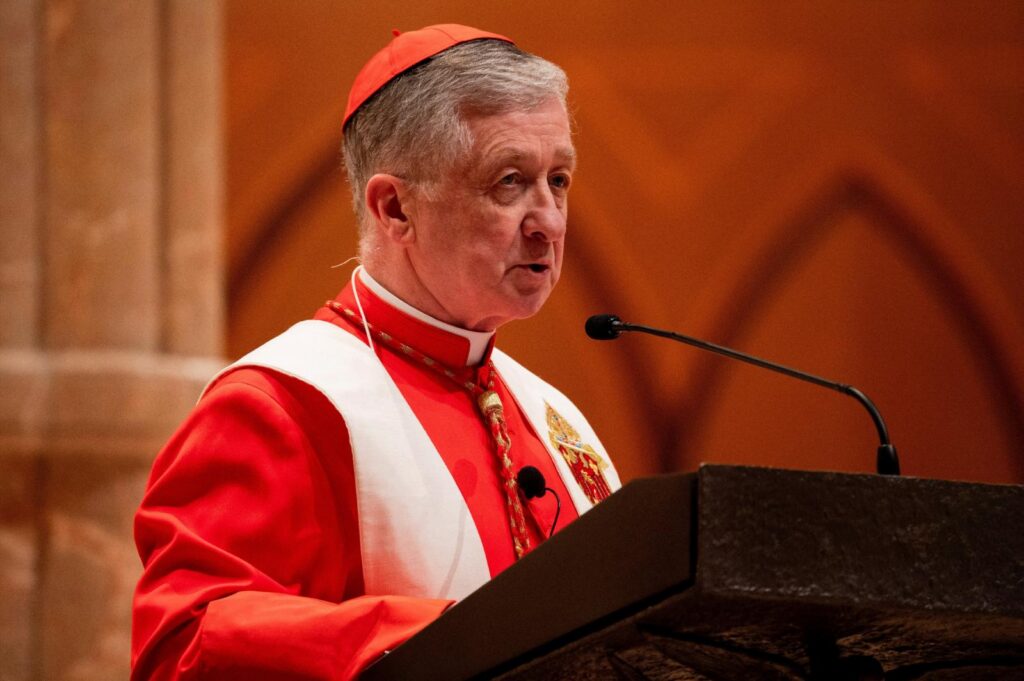
Cardinal Blase J. Cupich of Chicago announced, in a June 12 letter, the Cook County Circuit Court’s decision after the defense tried to have the lawsuit dismissed.
“We look forward to pursuing these claims,” James Geoly, the archdiocese’s general counsel, said in a June 19 email to OSV News.
The archdiocese’s case names seven defendants, whom it said were part of a wide network of claimants, including some based in Illinois’ jail and prison system, who schemed to receive settlements. The archdiocese said it discovered the enterprise after closely examining a claim submitted by someone serving a prison sentence.
Combed through prison, jail phone records
According to the lawsuit filed in March 2025, its staff then combed through prison and jail phone records, which inmates are notified to be recorded. It said the archdiocese uncovered the network of at least 30 people including convicted murderers, drug dealers, gang members and their family members involved in the filings or trying to be included in them.
The cardinal’s letter also warned of the “unprecedented and marked rise in the number of abuse claims” in the past 18 months, “largely stemming from events alleged to have occurred decades ago” that he said was due to ramped up injury law advertising and “an inflow of private equity” funding for attorneys who file such claims.
While the archdiocese does not disclose the number of cases it is handling and how big an increase there was, Geoly told OSV News it was “significant.” The archdiocese also does not release how much it has paid in settlements.
Geoly said the surge in claims “obviously has imposed a large cost.”
“We are watching this very closely and doing our best to address the needs of survivors under increasingly challenging circumstances,” he added.
How private equity financing works in such cases
Marie Reilly, a business law professor at Penn State Dickinson Law, follows Catholic clergy abuse cases, particularly those settled through bankruptcy. She told OSV News how private equity financing works in these types of cases.
“The funder will go to a law firm and say, ‘Hey, you would like to be a big player in these sex abuse claims,'” she explained. The funder, she said, then says, “‘So what we’re going to do is provide a working capital line of credit so that you can buy advertising, hire a claims aggregator to find you clients, and then we’re going to give you the capital that you need to participate in these bankruptcy cases. And then when you win, whatever your clients get we’re going to get a part of that.'”
Although Reilly mentioned bankruptcy, she said this is one of the ways “funders get involved in mass tort (wrongful act) claims” led by financed attorneys.
But Reilly said she has not seen any trend in fraudulent filings in dioceses that have been making abuse settlements.
Lookback window on previously time-barred claims
She pointed to the cases in the country which involved fraud that were in California, where major changes to the statute of limitations for sex abuse claims, beginning in 2020, also gave lookback windows allowing previously time-barred claims and precipitated mass filings against dozens of institutions. Among them was the Los Angeles Archdiocese, which paid out $880 million in settlements by 2024, bringing its total payouts over two decades to at least $1.54 billion.
A Los Angeles Times investigation uncovered a scheme in which ordinary citizens were paid to make false claims — some claiming they had been duped into thinking it was for a film — and be added to client rolls for global settlements with several state children’s institutions. The revelations have set back actual victim-survivors in a $4 billion global settlement with Los Angeles County.
One of the firms involved is under investigation by the state bar and the county’s district attorney has filed to stop any payouts until the end of the year so his office can investigate the scale of the fraud and make sure those who are entitled to compensation receive their rightful share.
The LA Times did not investigate church abuse claims.
Advocates for abuse survivors have said they hope fraudulent cases do not deter survivors from speaking out.
Survivor support and advocacy organization
Sara Larson, executive director of Awake, a Shorewood, Wisconsin-based survivor support and advocacy organization, said the Church should be mindful that people not be discouraged from speaking out about what happened to them.
“Speaking broadly about the Catholic Church in the United States, real progress has taken place over the past two decades, but there is still significant room for improvement,” she said in a statement emailed to OSV News. “Many important changes have been made to improve child protection, strengthen reporting processes, and respond more compassionately to those who come forward.”
“At the same time,” she said, “many survivors continue to tell us that they did not feel heard, believed or treated with dignity when they disclosed their abuse to church leaders, and that the reporting process was painful and retraumatizing.”
Charter revisions during USCCB spring plenary
The U.S. Conference of Catholic Bishops revised their “Charter for the Protection of Children and Young People” at their June 10-12 annual meeting in Orlando, Florida, committing the Church to “act on the presumption of the sincerity of those who bring forth a complaint of sexual abuse” while also maintaining “a corresponding presumption of innocence on the part of the accused until guilt is proven.”
Reilly said sexual abuse cases are handled very differently from other cases precisely because of the sensitivity to their deeply traumatic nature.
She said, “Any kind of expectation that the claimant will carry the burden of proving the truth of their own allegations is retraumatizing and unfair. … So there’s this kind of aura or untouchability about sex abuse claims. And you add to that the courts permit claimants to file on an anonymous basis. They don’t have to put their name on the filing.”
Reilly said the Church response has been very much driven by a “religious and pastoral mission.” She added that Church leadership — “archbishops, bishops” — have been focused on communicating this message: “‘There are people who have been abused and we take it seriously, and we’re sorry, and we want to provide them with what they need to heal and recover, compensation.'”
She said, “That pastoral message has been clearly communicated, I think, fairly effectively, to the faithful and to the public.”
Geoly said the case is scheduled for trial Nov. 30.
Simone Orendain is an OSV News correspondent. She writes from Chicago.
