


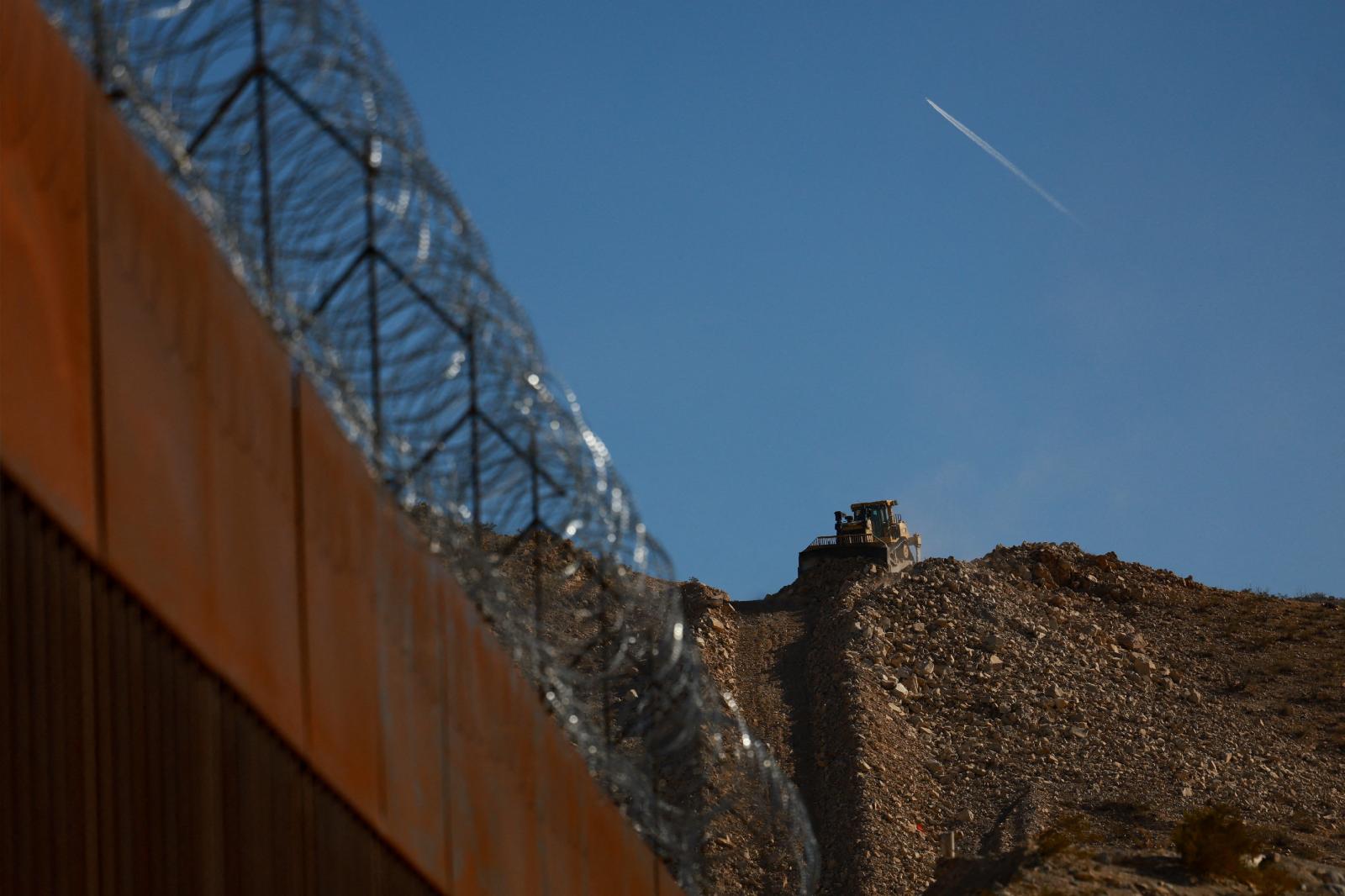
WASHINGTON (OSV News) — The U.S. Supreme Court said Nov. 13 it would take up a case regarding President Donald Trump’s executive order banning asylum claims at the southern border.
A federal judge previously ruled that the policy, enacted by Trump on the first day of his second term, was unlawful, but it has remained in effect amid ongoing litigation.
The Trump administration asked the high court to overturn the lower court ruling.
James Percival, general counsel for the Department of Homeland Security, said in a post on X, “The single most important factor in the President’s success at the border has been this executive order, which he signed on day one.”
“After successfully preserving this authority in lower courts for two years, we look forward to presenting our arguments to the Supreme Court,” he said.
The American Civil Liberties Union, alongside other organizations, challenged the policy on behalf of those barred from making asylum claims.
‘Courts are right to reject this unprecedented power’
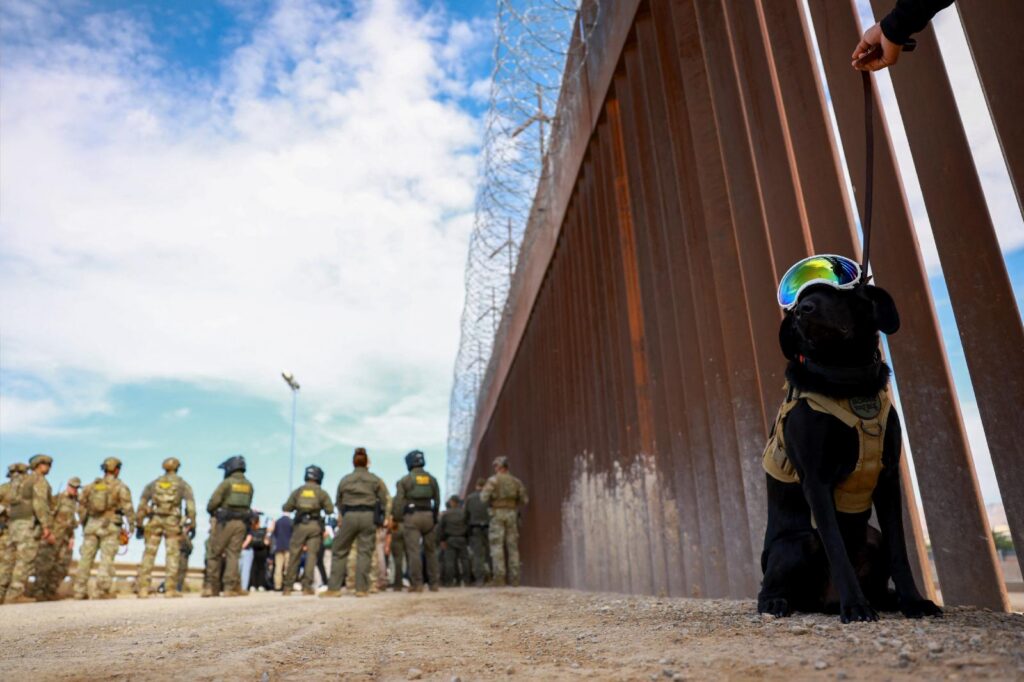
“The president does not have the right to unilaterally override the protections Congress has afforded those fleeing danger,” Lee Gelernt, lead counsel and deputy director of the ACLU’s Immigrants’ Rights Project, said in a statement. “The courts are right to reject this unprecedented power grab that would put countless lives in danger. We look forward to making our case before the Supreme Court.”
Federal law grants the right to seek asylum to those who fear persecution in their countries of origin, but grants the executive branch the authority to decide whether those claims are granted. However, the Trump administration has argued it can deny asylum claims outright.
The Trump administration’s record at the Supreme Court on its hardline immigration policies is mixed. In a landmark ruling in June, it struck down Trump’s executive order limiting birthright citizenship, finding the order violated the 14th Amendment. The same month, the Supreme Court allowed the Trump administration to end a program temporarily shielding eligible Haitian and Syrian immigrants living in the U.S. from deportation.
Earlier this year, the Supreme Court also ruled on a separate but related policy, allowing the Trump administration to reimplement a policy of turning away asylum-seekers along the U.S.-Mexico border before they enter the country, known as “metering.”
Court taking up ‘weighty immigration authority, legality issues’
Ashley Feasley, the legal expert in residence at the Immigration Law and Policy Initiative at The Catholic University of America Columbus School of Law, told OSV News that in taking up the case, the Supreme Court “continues its run of taking up cases this session that have weighty immigration authority and legality issues.”
“The Court will be specifically looking at whether a Presidential Proclamation issued by President Trump in January 2025 can effectively prevent certain individuals from entering the country and claiming asylum and other lesser protections like withholding of removal,” Feasley said. “The outcome of this case will have large policy implications as it will likely shape the Trump Administration’s and future Administrations’ ability to operationalize access to asylum at U.S. borders.”
Catholic social teaching on immigration balances three interrelated principles: the right of persons to migrate in order to sustain their lives and those of their families; the right of a country to regulate its borders and control immigration; and a nation’s duty to regulate its borders with justice and mercy.
The high court is expected to hear the case in spring 2027, with a decision by the end of its term, typically in June.
Kate Scanlon is a national reporter for OSV News covering Washington. Follow her on X @kgscanlon.
