

WASHINGTON (OSV News) — With 50 days left before the midterm elections as of Sep. 14, polls show Americans are increasingly concerned about cost-of-living increases, an issue affecting multiple areas of Catholic social concern.
Anxieties about the cost of living are expected to feature heavily in voter behavior in November. A Sept. 4 Ipsos poll found 74% of Americans said they think the cost of living is on the wrong track, while just 13% said it is heading in the right direction.
The prices of consumer goods, housing and transportation have featured prominently in messaging by candidates on both sides of the aisle.
Republican midterm convention
Both major political parties in the U.S. typically hold conventions before a presidential election with the aim of formally nominating their candidate for president. But the Republican National Committee’s midterm convention in Dallas Sept. 9-10 marked the first such event before a midterm election, functioning similarly to a campaign rally.
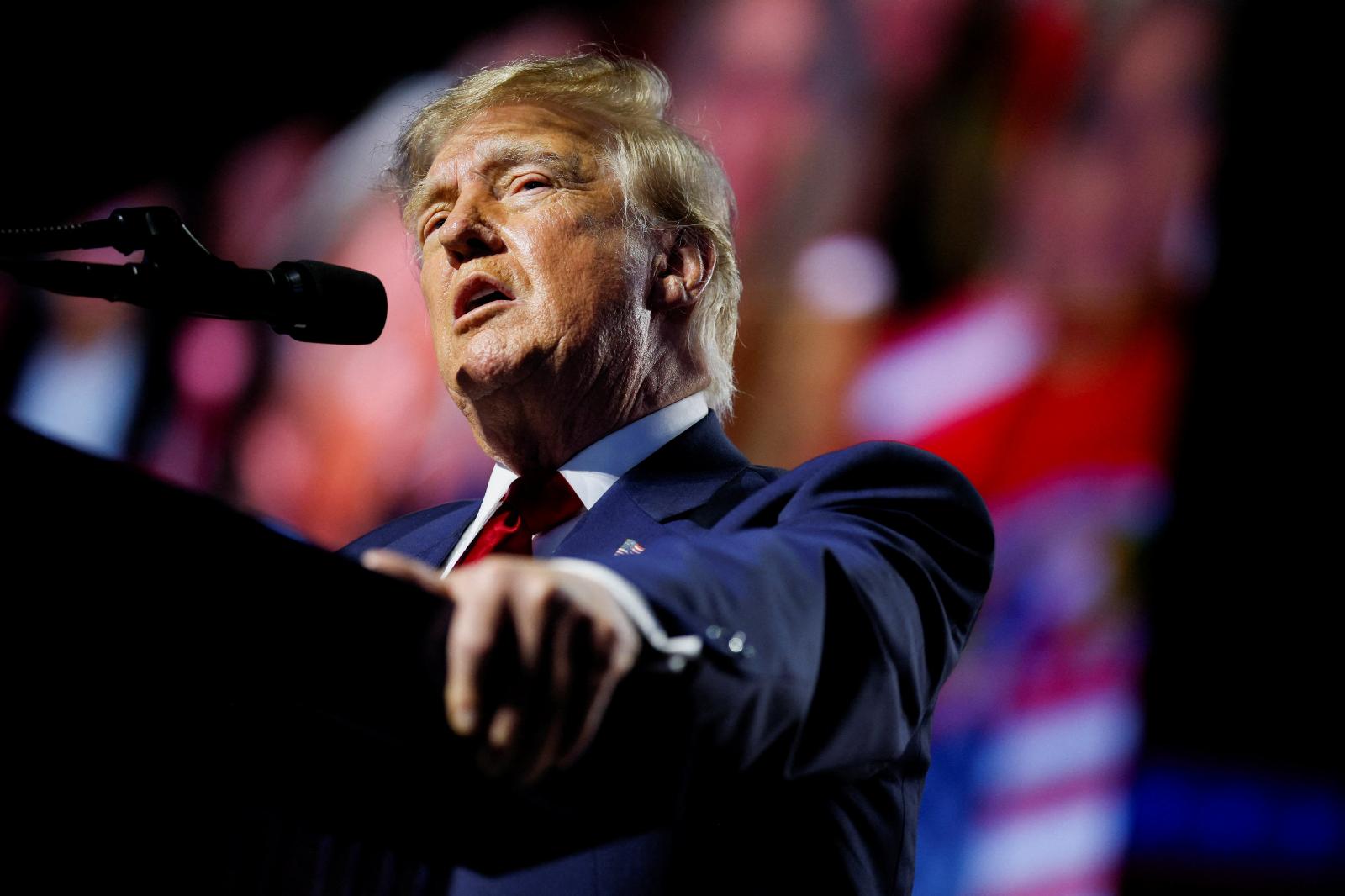
President Donald Trump, who is term-limited, appeared eager to cast the election as a referendum on himself. In remarks at the GOP’s midterm convention Sept. 9, he urged Republicans to “pretend” he is on the November ballot.
“In actuality, I really am running,” he said. “We don’t really know it but we are. I mean, we’re running together. We have to have Congress. We have to have the majorities. If we don’t have the majorities, so much can be lost.”
$5K to every American?
In an apparent attempt to address voter concerns about cost of living, Trump said he would send $5,000 “dividend” checks to every American if Republicans win the midterm elections, a proposal that would cost nearly $1.3 trillion.
But some economists warned the proposal would increase the federal deficit and inflation, and members of Congress, including some in Trump’s party, greeted the idea with skepticism.
Sen. Susan Collins, R-Maine, who is running in a competitive race for re-election and declined to attend the convention, told reporters, “I don’t know the details yet, but it appears that there would not be any income cap on it and that it would be extraordinarily expensive, in excess of a trillion dollars.”
“I don’t see that as being feasible in this economic environment,” she said.
Previous, similar proposals by Trump to send cash payments to all Americans during his second term have not materialized. However, Trump did authorize “Trump accounts” for eligible children and the $1,776 bonus payment for members of the armed services.
Housing, hunger, healthcare
Meanwhile, some Democrats argued Trump’s tariff policy and the war in Iran would continue to drive up consumer prices.
“You asked for lower prices, Trump gave you $10 gas,” Democrats on the Senate Energy Committee posted on X.
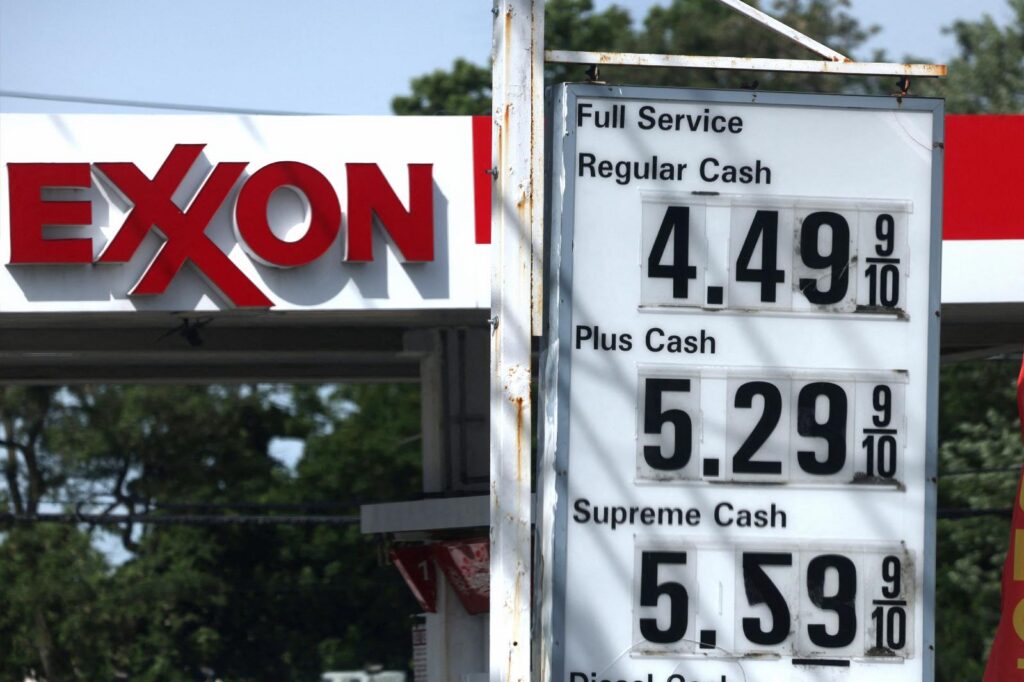
Polls show cost-of-living issues — an area of concern for Catholic social teaching connected to a preferential love for the poor — dominate voters’ concerns heading into the November elections. Housing, hunger and healthcare are among the issues impacted by rising costs, each an area the Church considers a matter of justice in society as they relate to the intrinsic dignity of the human person.
The U.S. war with Iran, a conflict not authorized by Congress and which has been criticized as unjust by Pope Leo XIV, has also driven higher energy prices due to oil shortages, increasing inflation. Those energy prices are expected to rise higher as the war expands: Iran’s Houthi allies have increased their chokehold on the Red Sea, and drones launched from Iraq took out a major Saudi Arabian pipeline used to bypass Iran’s closure of the Strait of Hormuz.
Voters sour on economy
A CNN poll found two-thirds of Americans believed Trump’s decisions on the economy (65%) and the war with Iran (67%) have hurt the country.
An August Reuters-Ipsos poll found Democrats had an eight-point lead over Republicans on the cost-of-living issue, 36% to 28%. The rest of the respondents said they were not sure or said neither party. In that same poll, 21% of all U.S. adults surveyed said they approve of Trump’s approach to the cost of living, while 70% said they disapprove.
Other polls over the summer have also found voters have soured on the economy. A survey by the Pew Research Center and a Fox News poll both found about three-quarters rated the economy negatively, with Fox finding 34% said they have suffered serious financial hardship and Pew finding that neither party has a decisive advantage on the economy.
Catholic leaders in the U.S. have argued that participation in elections is a key component of faithful citizenship for U.S. Catholics.
Voting importance
At a Sept. 11 press briefing, Archbishop Thomas G. Wenski of Miami pointed to the U.S. bishops’ document “Forming Consciences for Faithful Citizenship” as a reference point for Catholic voters this November.
“We have to just keep on telling people in the pews to vote,” Archbishop Wenski said. “A significant percentage of American citizens who can vote don’t vote, and we have to tell everybody that they have to be faithful citizens by exercising their right to vote.”
Kate Scanlon is a national reporter for OSV News covering Washington. Follow her on X @kgscanlon.
