

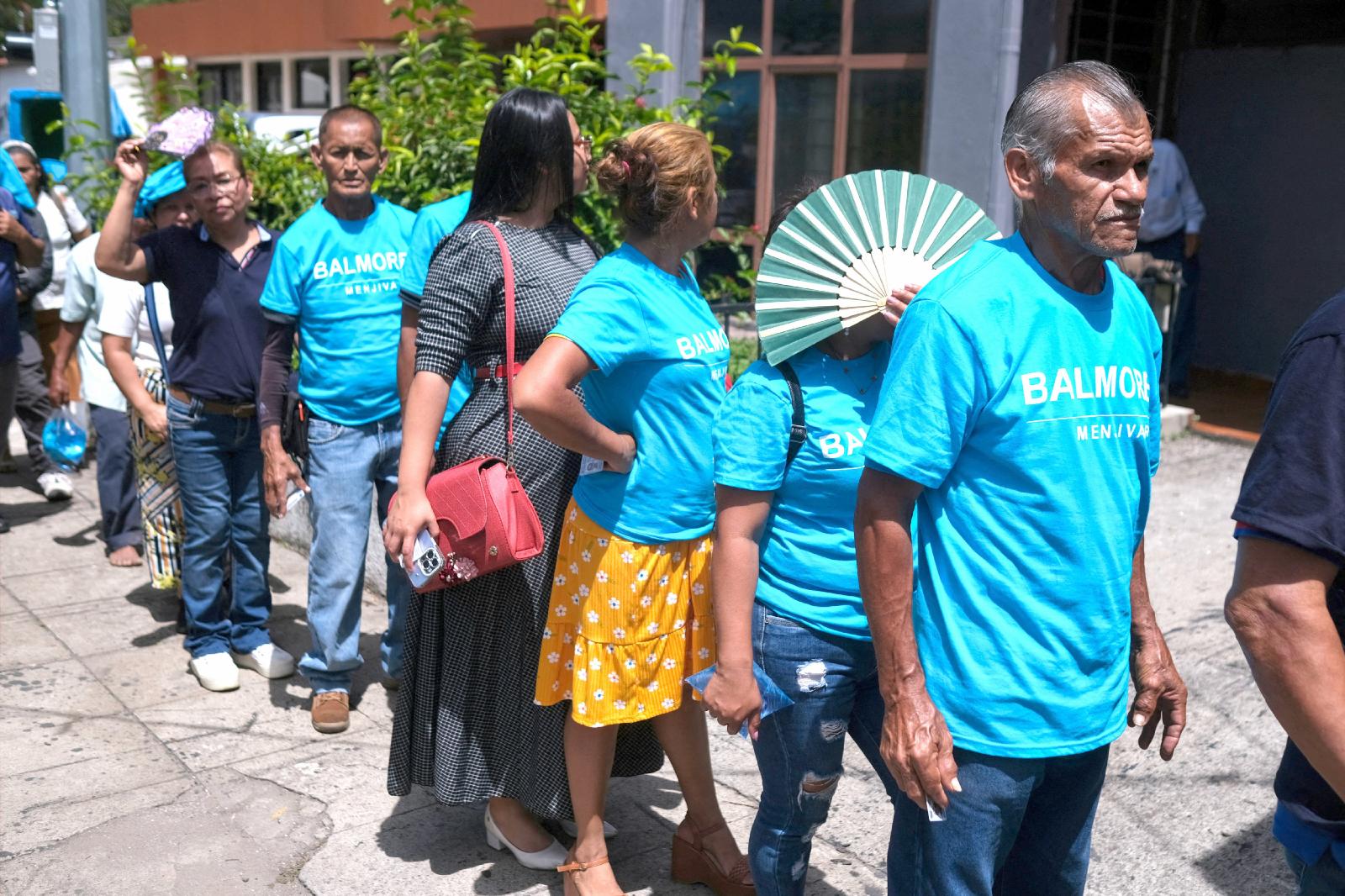
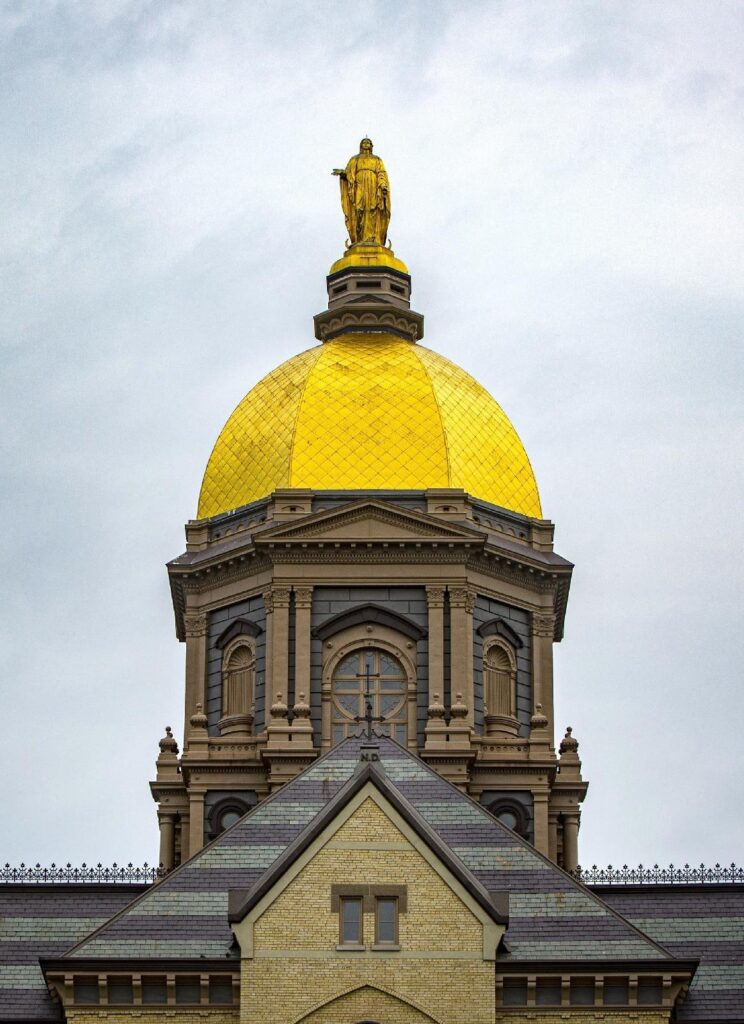
WASHINGTON (OSV News) — Support for democracy has begun a modest recovery across the Americas, according to the 2026 Pulse of Democracy report by the University of Notre Dame‘s Keough School of Global Affairs and Vanderbilt University’s Center for Global Democracy. However, researchers also expressed concern about the rise of authoritarianism.
In their 2026 Pulse of Democracy report, researchers from the two universities conducted 25,282 interviews across 21 countries. The report found that about two-thirds of Latin Americans expressed support for democracy in 2026, up 6 percentage points from 2023. Support increased in nearly every country, across age groups and educational levels, suggesting a trend that is not driven by any single demographic group.
“The findings offer some encouraging signs, but they also underscore the work that remains,” Ann Mische, acting director of Notre Dame’s Kellogg Institute for International Studies and an associate professor of sociology and peace studies, said in a statement. “Improving people’s daily lives matters, but strengthening democracy also requires institutions that people trust.”
Strong majority behind democracy
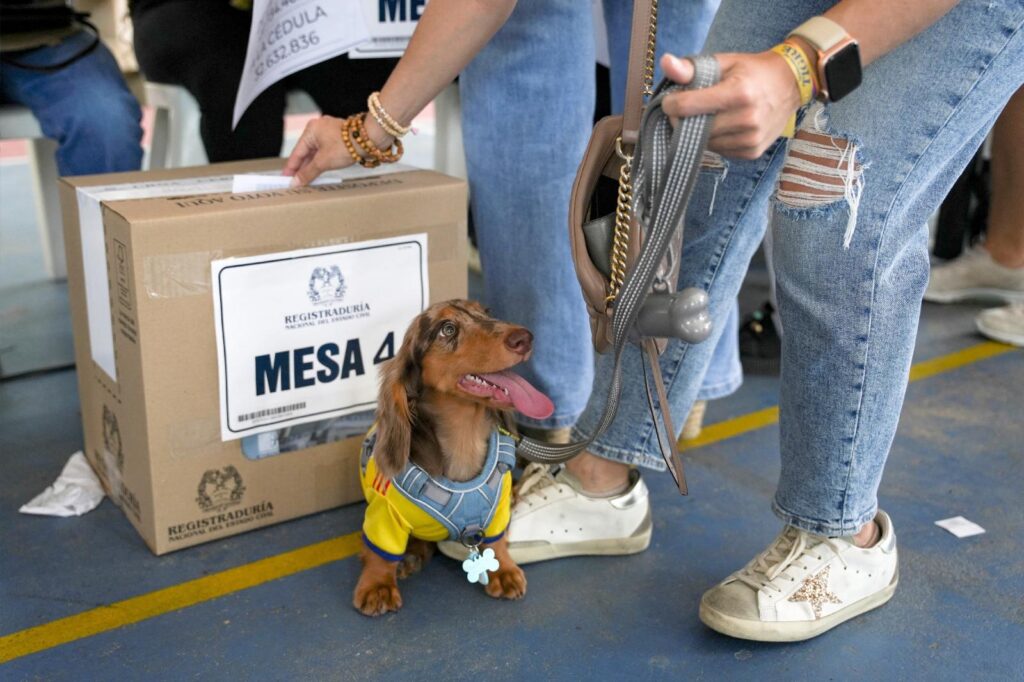
Mariana Rodríguez Vargas, director of research and engagement at Vanderbilt’s Center for Global Democracy and LAPOP Lab (formerly known as the Latin American Public Opinion Project), said at a Sept. 9 event marking the report’s release and hosted by the Keough School in Washington that “65% of adults in Latin America now agree that democracy, whatever its problems, is better than any form of government.”
Rodríguez Vargas said the increase in support for democracy is “the first broad increase in a decade.”
“There is a real uptick in support for democracy. It is broad, and it is welcome, but we don’t know yet whether it will last. And what we’re documenting here, yes, is a real shift, but not a claim that the region has entered some sort of durable democratic recovery,” she said.
Rodríguez Vargas cautioned that in some cases their findings revealed a distinction in perception between abstract support for democracy and support for liberal democratic norms. Some respondents expressed support for democracy while also offering support to some policies that were more aligned with “illiberal majoritarianism,” where elected leaders are granted unconstrained executive power at the expense of checks and balances.
Ideas about democracy might not be shared
“When people say they support democracy as the best form of government, that doesn’t necessarily mean that they embrace every feature of liberal democracy,” Rodríguez Vargas said.
“We need to understand better what citizens mean when they say they support in quotation marks ‘democracy,'” Abby Córdova, associate professor of global affairs at Notre Dame’s Keough School, said during a panel discussion at the same event.
“What democracy means to them,” she said, “might not be what we actually mean by it, and how do we academics, policymakers, and practitioners, in a way, define democracy?”
At minimum, she said, a mark of a democratic government is free and fair elections. But liberal democracy has broader requirements, such as preventing the concentration of power, respecting the rule of law, and protecting civil liberties.
“So many of the 65% of citizens who support democracy — they say they support — also agree with the implementation of illiberal actions by executives,” Córdova said. “And this is of course concerning, because such can facilitate democratic backsliding rather than help containing it.”
Religiosity steady, but Catholicism on decline
Among other findings in the report was that Catholic identification in the region has declined across successive generations.
“For most of the twentieth century, Latin America was overwhelmingly Catholic, but that near-monopoly has eroded,” the report said. It found that those who identify as Catholic falls from 67% among those aged 66 and older to 45% among adults under 26; likewise the evangelical share rises from 17% to 25% and the religiously unaffiliated doubles from 12% to 24%.
The report observed, however, that “religiosity itself shows no such decline” even with these religious shifts, and has held steady since 2010, with approximately two-thirds of Latin Americans saying that religion is “very important” in their lives.
Kate Scanlon is a national reporter for OSV News covering Washington. Follow her on X @kgscanlon.
