


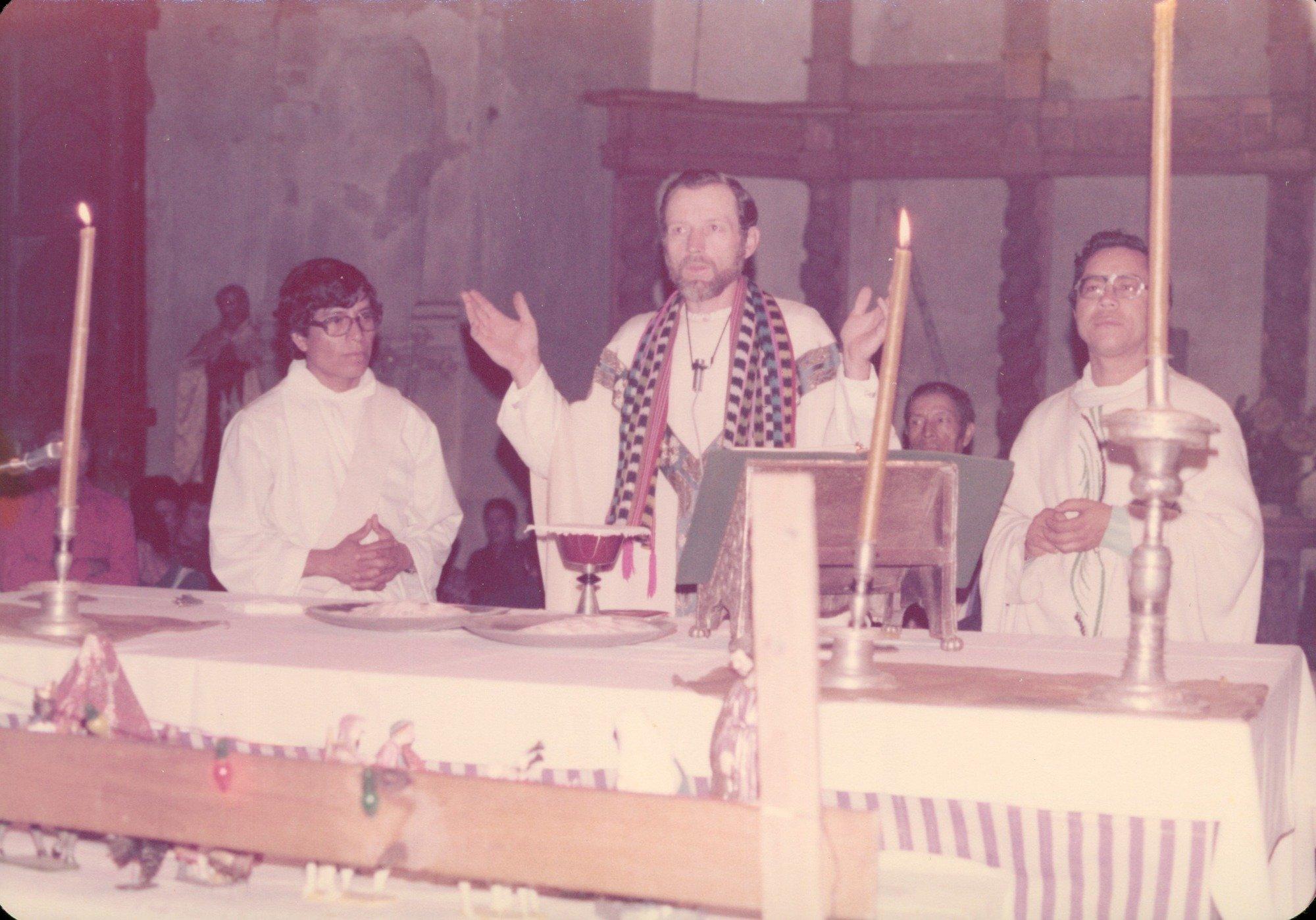
OKLAHOMA CITY (OSVNews) — “He didn’t go back to Guatemala to die. He went back to Guatemala to live.”
Msgr. Don Wolf, rector of the Blessed Stanley Rother Shrine and a cousin of Blessed Rother, shared these words in a documentary “American Martyr: The Stanley Rother Story.”
This scene still makes Archbishop Paul S. Coakley of Oklahoma City choke up every time he sees it.
“He knew that death awaited him, but he knew that not going back would mean a different kind of death, and only by going back there would he live life to the full, the life that the Lord had called him to, even though that meant laying down his life,” Archbishop Coakley said during a panel discussion. It followed the documentary’s world premiere at the Regal Warren Moore Theater in Moore, Oklahoma, a suburb of Oklahoma City, on July 28, the feast day of Blessed Stanley Rother.
Theaters in English and Spanish filled
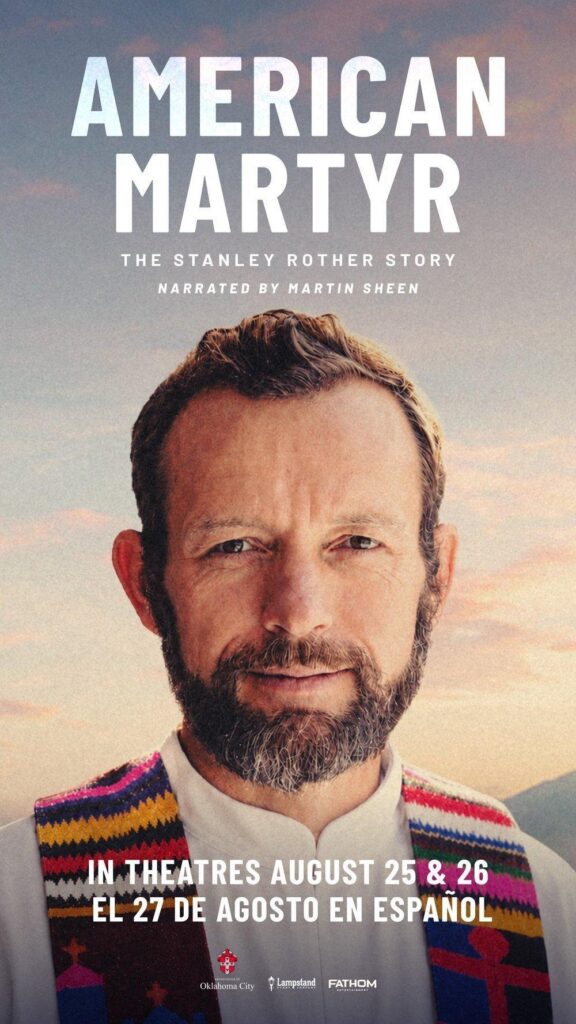
More than 600 people filled three theaters to watch the documentary — one for the English version narrated by award-winning actor Martin Sheen, and two for the Spanish version.
Sheen narrated the documentary for free, said Maria Scaperlanda, one of the executive producers of the documentary and promoter for the cause. Sheen “fell in love with Father Stan,” she told OSV News.
“I want to help you get Blessed Stanley across the line, have him become a saint. And this is my way of helping,” she recalled Sheen — himself a devout Catholic — telling her.
“We showed up at his house, finished all the audio with him. It’s his gift to the cause,” she said.
Scaperlanda, who also wrote the definitive biography on Blessed Rother, “The Shepherd Who Didn’t Run: Father Stanley Rother, Martyr from Oklahoma,” said that people often ask her when a movie will be made.
“There’s a lot of people, very excited, who have been waiting for something visual. God is putting me where he wants me,” she said. “I hope that more and more people will be able to hear the story.”
Nationwide release in late August
“American Martyr: The Stanley Rother Story” is scheduled to be released in theaters nationwide Aug. 25-27.
Archbishop Coakley told OSV News that he hopes by spreading the word about Blessed Rother, more people will turn to him in prayer.
“The Church needs saints, and we have a Catholic priest missionary martyr who’s on the threshold of being declared a saint. But in order for people to have the confidence to turn to him — to seek his intercession — they have to know his story,” he said. “My primary interest and concern is to introduce people to the life of this heroic missionary priest, so that they might imitate his faith in turning to the Lord in seeking what they need.”
Bishop Edward J. Burns of Dallas hadn’t planned on attending the premiere a month ago. Archbishop Coakley’s classmate from Mount St. Mary’s Seminary in Emmitsburg, Maryland, the same seminary Blessed Rother graduated from, Bishop Burns told the archbishop he planned to visit the shrine on July 28, not knowing it was Blessed Rother’s feast day. The archbishop, in turn, invited him to concelebrate the Mass at the shrine that day.
“Then, I later learned that there was the premiere of this wonderful documentary. I said, ‘Wow, what a coincidence,’ but in actuality, it’s just a little gift from Blessed Stanley Rother,” Bishop Burns told OSVNews.
A role model for the Gospel
Like Archbishop Coakley, Bishop Burns was completing his final year at Mount St. Mary’s when the students learned of their alumnus’ martyrdom. As a leader of the student body, he took the responsibility of welcoming Blessed Rother’s parents and sister, Sister Marita Rother, an Adorer of the Blood of Christ, to the campus.
“In those moments, for me to sit and speak to the parents of a martyr moved me in such a powerful way, to speak to a mom of a martyr and the anguish that she went through, it touched my heart,” Bishop Burns recalled.
He described Blessed Rother as a “model of what it is to give everything for the Gospel” and said that he hopes to spread devotion in his own diocese.
“The opportunity to grow closer to Christ is exactly what Stanley did. You look at his life on the farm, through school, in the seminary, and then into his priesthood. He just grew closer and closer to our Lord Jesus Christ. And that same Lord Jesus Christ is the one who welcomed him into the community of saints, angels and martyrs,” he said.
Blessed Rother’s family members attend premiere
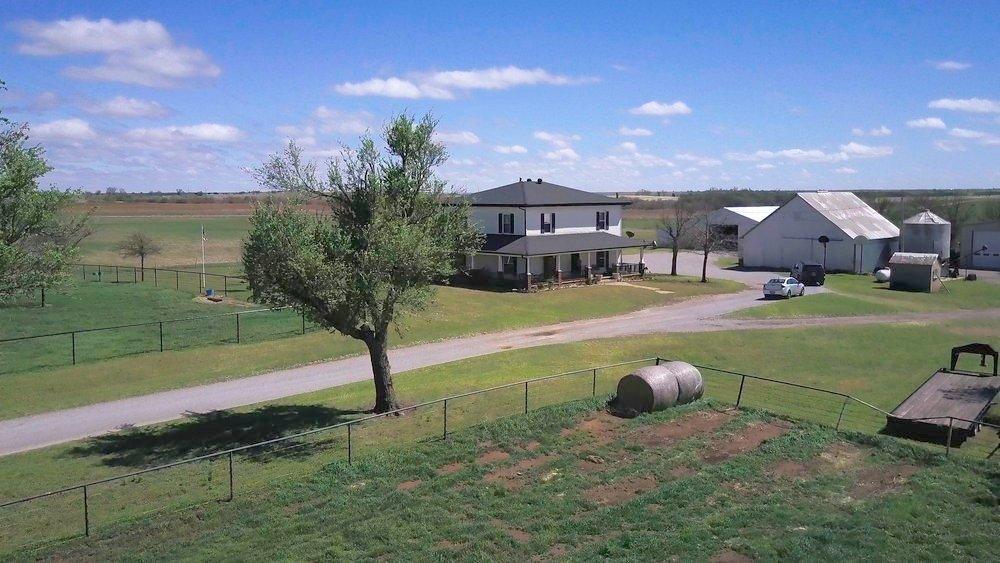
Among the attendees at the premiere were 27 members of Blessed Rother’s family who were recognized during the panel.
“It’s very stirring to see his family with both simple memory of just a man but with deep devotion that now their brother is beatified because he’s martyred,” said the Rev. Nathan Carr, vicar of St. John’s Episcopal Church in Oklahoma City and missioner for strategic development for the Episcopal Diocese of Oklahoma.
Rev. Carr, who also serves as the headmaster of the Academy of Classical Christian Studies — a K-12 school with a 17% Catholic enrollment — said his school’s Schola Cantorum choir has led music at the shrine every year since its opening. He said Blessed Rother provides inspiration for everybody and plans to encourage his parishioners to see the documentary.
“We are dying on the vine in a dearth of local exemplars — and suddenly, out of God’s perfect grace, we are given an exemplar of the holy life, the life of virtue, and the life of holiness, a life being poured out for others,” Rev. Carr said. “Every kind of Christian — and every kind of person, for that matter — will be able to experience what sacrificial love truly and finally and forever is in light of the Gospel of Jesus Christ.”
Miracle needed for canonization
For Blessed Rother to be canonized, there must be a verified miracle attributed to his intercession before God.
The Rome-based postulator for Rother’s cause, Cristiana Marinelli, said that while she can’t provide details, there are active investigations.
“I can say that what I experienced today is that the devotion, the veneration, is still alive, is still growing. And this is something that’s very important, because only through prayer will we be able to get a sign of God,” she said.
Marinelli, who has served as postulator for three years, said she views her work as a vocation.
“Having the possibility to study the life of this candidate has given me the opportunity also to not only to increase my intellectual, professional knowledge but also my spiritual life,” she said.
Deacon finds martyr an inspiration for his vocation
Deacon Jan Latta from St. Eugene Parish in North Oklahoma City and his wife, Mary, were excited to see the beatification Mass from 2017 featured in the documentary, because they had both volunteered as ushers before he had entered deacon formation. Deacon Latta said he found inspiration from the fact that Blessed Rother had initially failed his courses in a Texas seminary, Latin in particular, and transferred to the Emmitsburg seminary.
“I grew up on a farm in Iowa, and I’m not that intellectual. I had trouble even in deacon formation with some of the classes,” reflected Deacon Latta. “Even if somebody tells you you’re not intelligent enough or smart enough to be a priest, he didn’t settle for that, and he followed his heart, and he was able to become a priest and go to Guatemala, and he followed his heart down there.”
The documentary features several scenes dramatizing Blessed Rother’s life. Actor Ryan Francis hadn’t heard of Blessed Rother but happened to check his email — something he doesn’t normally do — when he noticed a call for someone to perform historical reenactments.
Actor moved by Blessed Rother
At the time, Francis had a full beard with some gray for another role he’d done. After sending in a headshot, he was invited to participate in the project.
“When this chance came up, as I was going through it, and then I got to a picture of Father Apla’s, and I go, ‘Oh, my gosh, I can do this,'” he said. “I never even click on these emails, but I happened to click on this one and see it, and it just, it all just happened. Next thing I knew, I was on a plane to Guatemala.”
Although he doesn’t consider himself religious, Francis said he found inspiration from Blessed Rother’s life.
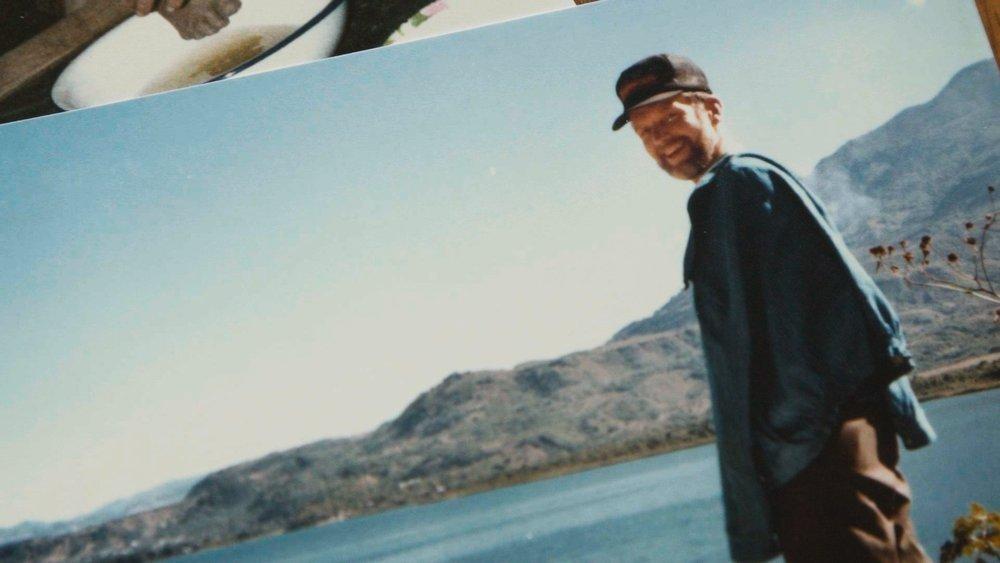
“It was quite interesting to visit the places and reenact these actual photos at the actual place where these photos were taken and actually get a crash course on the history on Father Apla’s,” Francis said, noting the similarity between his last name and Blessed Rother’s middle name, for which “Apla’s” is the Tz’utujil translation. “His whole story — especially, just his selflessness, his sacrifice, his commitments — those things just really resonated with me on a level that was very impactful.”
During the panel discussion, Archbishop Coakley said that the message Blessed Rother offers is that there’s “nothing really extraordinary about him at all. He was just an ordinary guy from Okarche, a farmer who became a priest, who became a missionary, who became a martyr, who has become a saint. God calls us all to holiness, and he calls us right where we are.”
Inspiring a new generation of saints
He said he hopes the documentary will inspire people to live a life of holiness and to share their gifts in a way that they, too, can become everyday saints.
“We don’t have to go out of our way looking for it. We don’t have to travel across the world. It’s right here at home. It’s in our homes, in our families, in our parishes, in our places of work. That’s where we’re called to flourish and to become saints,” he said.
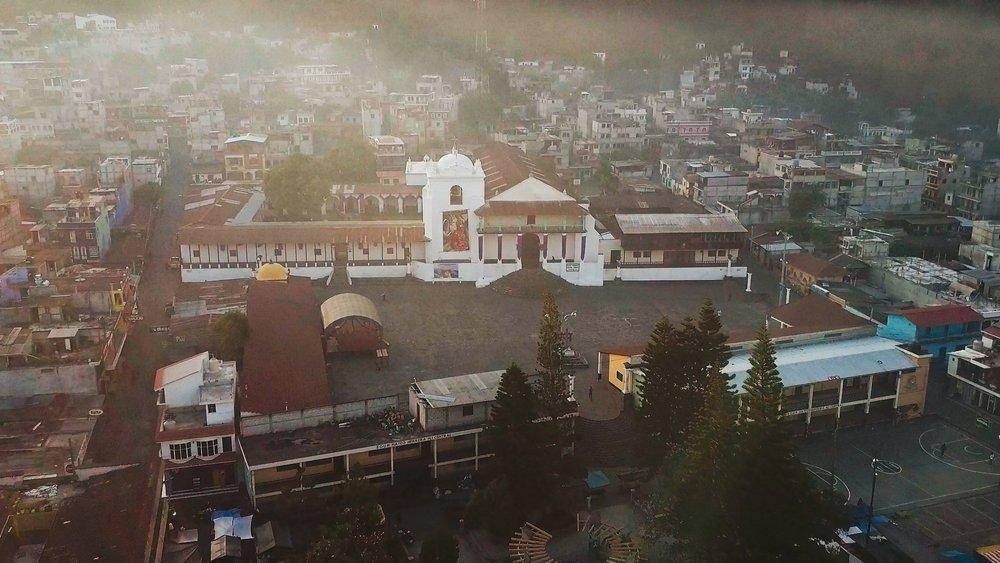
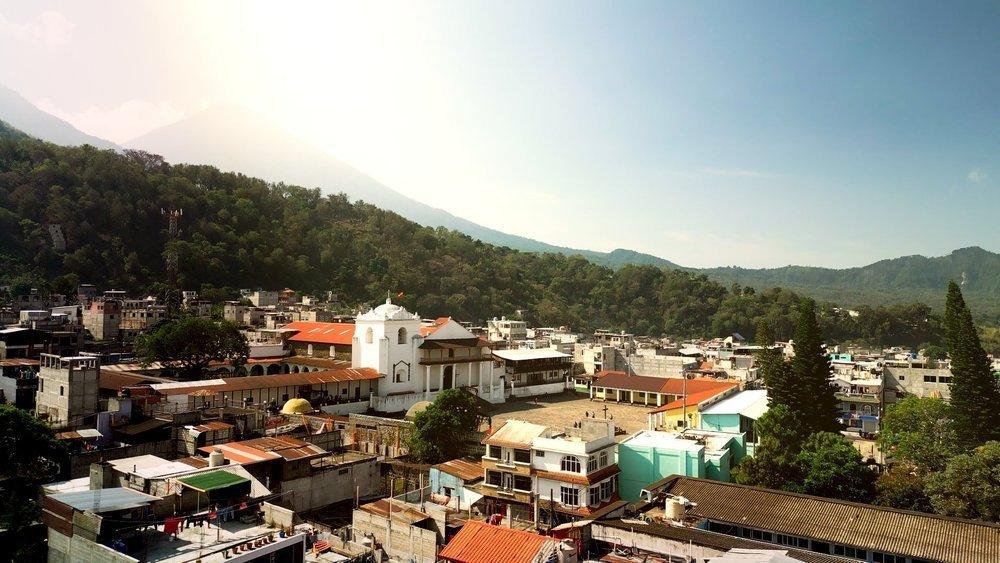
Blessed Rother baptized Felipe Coche Pablo in Santiago Atítlan, Guatemala, who was only 2 when the martyrdom occurred. Watching the documentary helped him understand what life was like during that time period.
During the panel, Coche — who is also involved in the cause in Guatemala — said through a translator that the people of Santiago Atítlan love Blessed Rother, even today.
“For my people, Father Apla’s is already a saint. He has been loved before and now even more. It’s a blessing for my people Tz’utujil,” he said.
Tony Gutiérrez writes for OSV News from Texas.
