


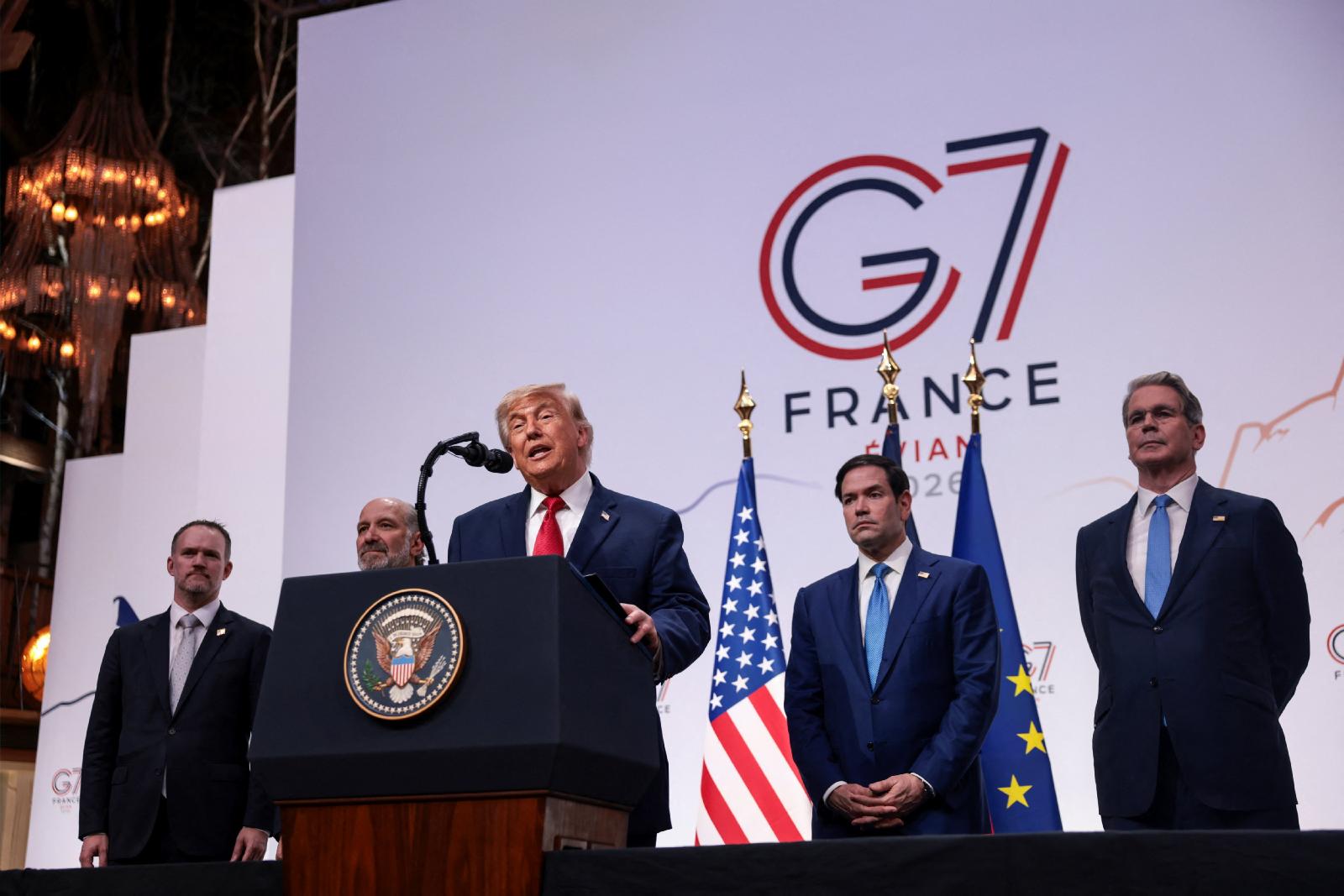
WASHINGTON (OSV News) — The Trump administration signed a memorandum of understanding, or MOU, with Iranian officials, a tentative framework to end the war in Iran, but uncertainty remained about an end to the conflict.
The same week, the U.S. Supreme Court took up a case concerning hearings for noncitizens in immigration detention, while Louisiana continued its lawsuit against the Biden administration’s eased restrictions on mifepristone, a drug commonly used in first trimester abortion as well as early miscarriage care.
Iran, US sign MOU calling for end to conflict
Catholic leaders expressed cautious optimism about an end to the conflict in the Middle East after members of the Trump administration and Iranian officials signed a memorandum of understanding, a tentative framework to end the war in Iran, but key obstacles remain.
U.S. and Iranian officials remotely signed a memorandum of understanding — a formal yet legally non-binding agreement — that called for a final deal to end the conflict within 60 days, but also said that window could be extended by mutual consent.
Pope Leo XIV was among the world leaders who welcomed dialogue between the U.S. and Iran after U.S. and Israeli strikes on Iran in February.
“There will still be several points to settle, but it is always better to do so through dialogue, through negotiations, and not by returning to war,” he said June 16.

Israel and Hezbollah reportedly agreed to renew a ceasefire on June 19, after fighting in Lebanon between Israel and the militant group, considered a terrorist organization by the U.S., stalled U.S. and Iranian negotiations.
Mary Ellen O’Connell, a professor at Notre Dame Law School who specializes in international law and conflict resolution, told OSV News that “even in this preliminary form,” the MOU “demonstrates the folly of unlawful war.”
“The MOU reflects the high price the U.S. is willing to pay to reverse the violation of the United Nations Charter committed together with Israel on February 28,” she said.
Members of Congress on both sides of the aisle pushed the Trump administration for more details about the agreement, with even some of Trump’s fellow Republicans raising objections to the MOU’s planned release of frozen Iranian assets, and the creation of a $300 billion fund “for the reconstruction and economic development.”
Supreme Court takes up case over bond hearings for noncitizens in ICE detention
The U.S. Supreme Court on June 15 took up an appeal from the Trump administration regarding a dispute over how long the government may hold noncitizens in immigration detention without a bond hearing, a case that could have significant implications for the Trump administration’s wider immigration enforcement policies.
In a pair of cases, the court will consider the government’s argument that immigration laws call for deporting noncitizens with “aggravated felonies” on their records.
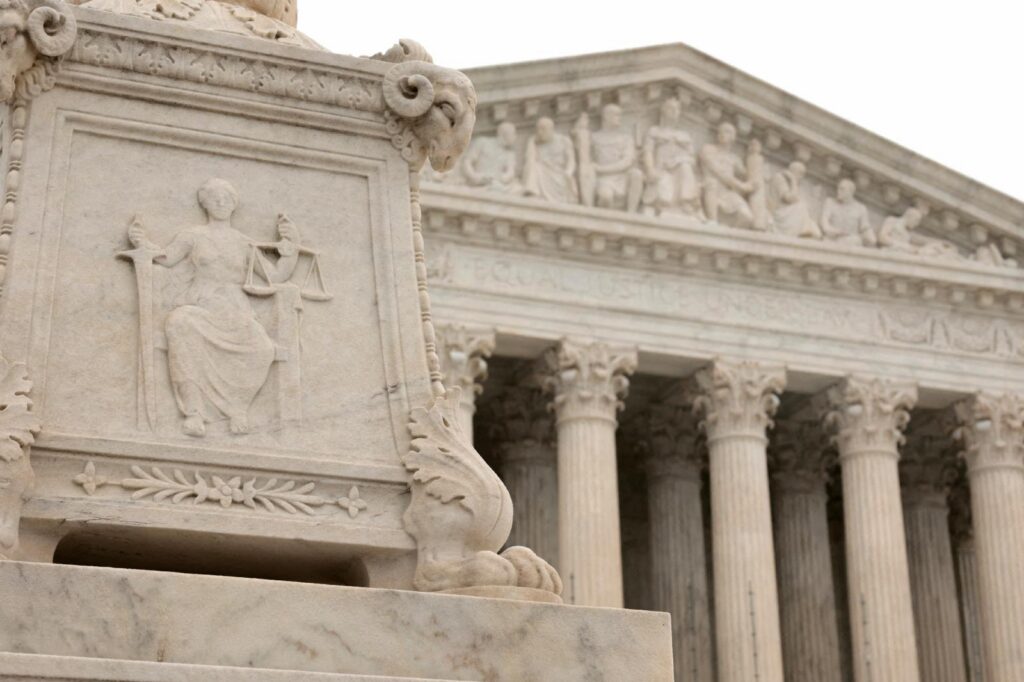
The cases concern two individuals with permanent legal status who have argued they have been held indefinitely without such a hearing. The green card holders, convicted of aggravated felonies, were held for seven months and nearly two years as their removal cases were pending, respectively.
Previous Supreme Court precedent found that for those with final deportation orders, detention is “presumptively reasonable” for about six months while immigration officials facilitate those orders. However, that precedent is unclear for those with still-pending deportation proceedings, the government argued.
The high court will hear the cases during its next term, which begins in the fall.
Louisiana continues mifepristone challenge
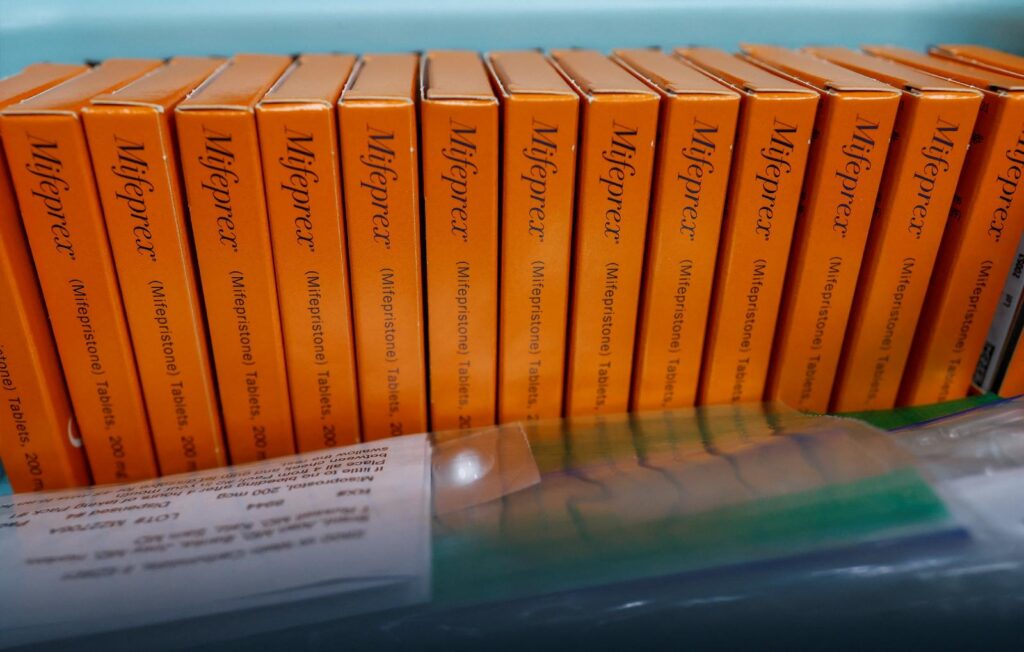
Louisiana has challenged a Food and Drug Administration policy issued by the Biden administration, which permitted mifepristone to be distributed by mail. The Trump administration has thus far left that regulation in place, prompting frustration from pro-life groups, and has sought to block state challenges to mifepristone, such as Louisiana’s.
The U.S. Supreme Court in May left that policy in place while the litigation proceeds.
In a June 15 court filing, the Pelican State requested expedited review from the 5th U.S. Circuit Court of Appeals in its ongoing case.
In a statement referencing that filing, Marjorie Dannenfelser, president of Susan B. Anthony Pro-Life America, urged acting Attorney General Todd Blanche “to settle this case by agreeing to a court-ordered consent decree that would end Biden’s unlawful mail-order abortion drug policy and restore in-person dispensing immediately while the FDA completes a prompt, rigorous safety review.”
The Catholic Church teaches that all human life is sacred from conception to natural death, and as such, opposes direct abortion, which takes the life of the unborn child.
Mifepristone, approved by the FDA for early abortion in 2000, is first of two drugs used in a medication-based abortion, gaining the moniker of “the abortion pill.” However, the same drug combination has sometimes been used in recent years for miscarriage care, where an unborn child has already passed, a situation Catholic teaching would hold as morally licit in order to restore the life and health of the body, which the Church calls “precious gifts entrusted to us by God.”
Kate Scanlon is a national reporter for OSV News covering Washington. Follow her on X @kgscanlon.
