


(OSV News) — During his Sept. 26 visit to Paris, Pope Leo XIV will stop at the Catholic Institute of Paris, where he will meet catechumens and members of the Archdiocese of Paris’ Synodal Assembly, as the French Church responds to a surge in adult and young people seeking baptism.
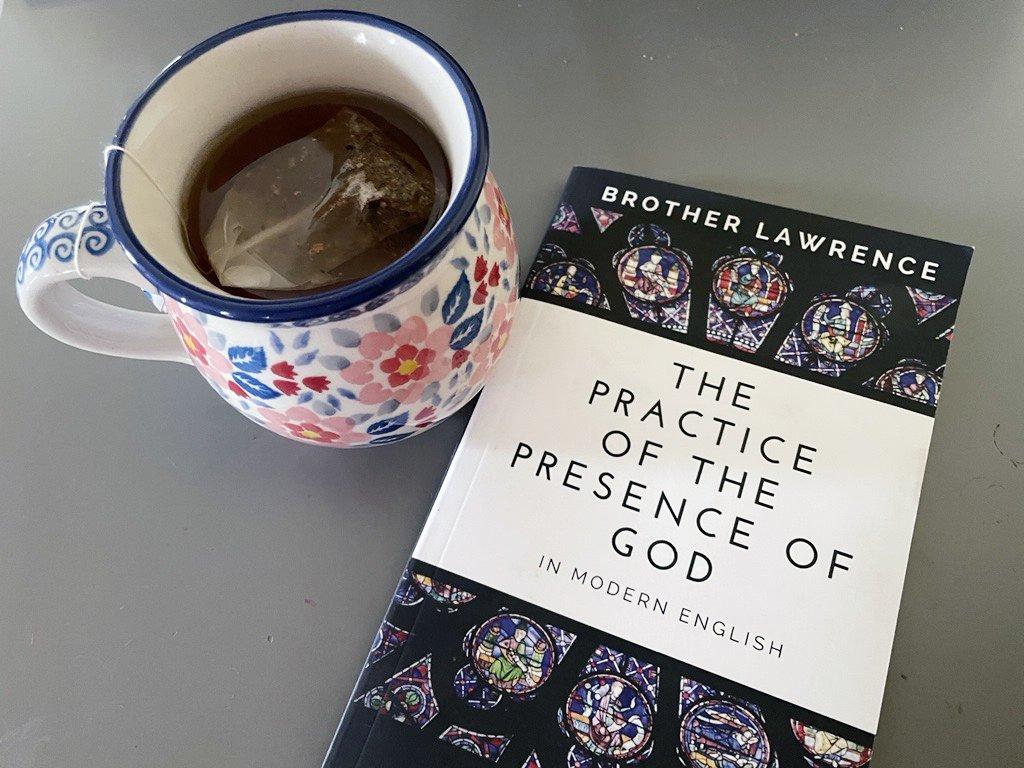
The visit also carries personal significance for the pope. The institute occupies the former Discalced Carmelite convent where Brother Lawrence of the Resurrection, author of “The Practice of the Presence of God” and one of the pope’s favorite spiritual writers, entered religious life in 1630.
Jean de Saint-Cheron, vice rector of the CIP, told OSV News that as a university of the Archdiocese of Paris, the institute is “a major intellectual hub.” Since St. John Paul II visited its campus in 1981, the institute has “greatly expanded its influence, vitality and research activities,” vice rector said.
“Today, the institute enrolls more than 11,000 students, a quarter of whom come from abroad,” Saint-Cheron added.
Founded in 1875, it is housed in the former Discalced Carmelite convent, itself founded more than two centuries prior.
“At the heart of the Catholic Institute still lie the cells of the monks from the former Carmelite monastery,” Saint-Cheron told OSV News. “The pope will visit the refectory, the church and the sacristy, which have remained unchanged, as they were in the days when Brother Lawrence worked there humbly as a shoemaker and cook.”
On Dec. 2, 2025, the pope cited his book, “The Practice of the Presence of God,” on the plane taking him back from Beirut to the Vatican, ending his first apostolic trip to Turkey and Lebanon. The pontiff pointed to Brother Lawrence as an important reference for his spiritual life.
Tragic chapter of the French Revolution
The Carmelite monastery became infamous during the French Revolution of 1792. It was converted into a prison for priests and members of religious orders who refused to take an oath of allegiance to the Civil Constitution of the Clergy, which required that the Church be administered by the state and no longer be subject to the pope.
In the early days of September in 1792, over 100 prisoners incarcerated at the Carmelite convent were massacred by assailants armed with rifles fitted with bayonets, pikes and pistols.
“The pope will pay his respects at the ‘Staircase of the Martyrs’ where this took place, in the garden,” Saint-Cheron said. “In the Martyrs’ Crypt, the remains of these martyrs are still on display.”
In 1919, the convent became a university seminary, which welcomed many seminarians from all the dioceses of France — until today, seminarians, moved since to another living location, “come every day to attend their classes at the Catholic Institute,” Saint-Cheron told OSV News.
Pope Leo’s visit at ‘Le Catho’
Today, “Le Catho” — a name by which the Catholic Institute of Paris is commonly known in Paris — is a “vibrant place for the Church today,” said the vice rector.
It is here where following months of surveys in the dioceses across the Paris region, three plenary sessions of the Synodal Assembly will take place from October 2026, immediately after the pope’s visit, through May 2027.
“The pope is very interested in this surge in baptisms of adults and young people, a phenomenon that surprises us all,” Saint-Cheron said.
But for this pope, he added, another factor was crucial for choosing the place: “The Institute is recognized for its growing intellectual and cultural influence.”
“The pope mentioned the university several times in his encyclical ‘Magnifica Humanitas‘ — as an institution dedicated to the pursuit of truth, which is particularly important in a world currently dominated by the strongest,” Saint-Cheron said.
The Catholic Institute of Paris “is home to the world’s leading French-speaking faculty of theology, with approximately 1,000 students,” he indicated. But it is also a place where cultures and religions blend.
“Here, the Catholic world and the world of human culture meet on a daily basis, in a concrete way,” the vice rector told OSV News.
“There are all kinds of students, who get along quite well. Some describe themselves as atheists or non-religious, and they interact with nuns and priests. This entire community engages in dialogue and shares in a sort of common quest for truth.”
Caroline de Sury writes for OSV News from Paris.
