


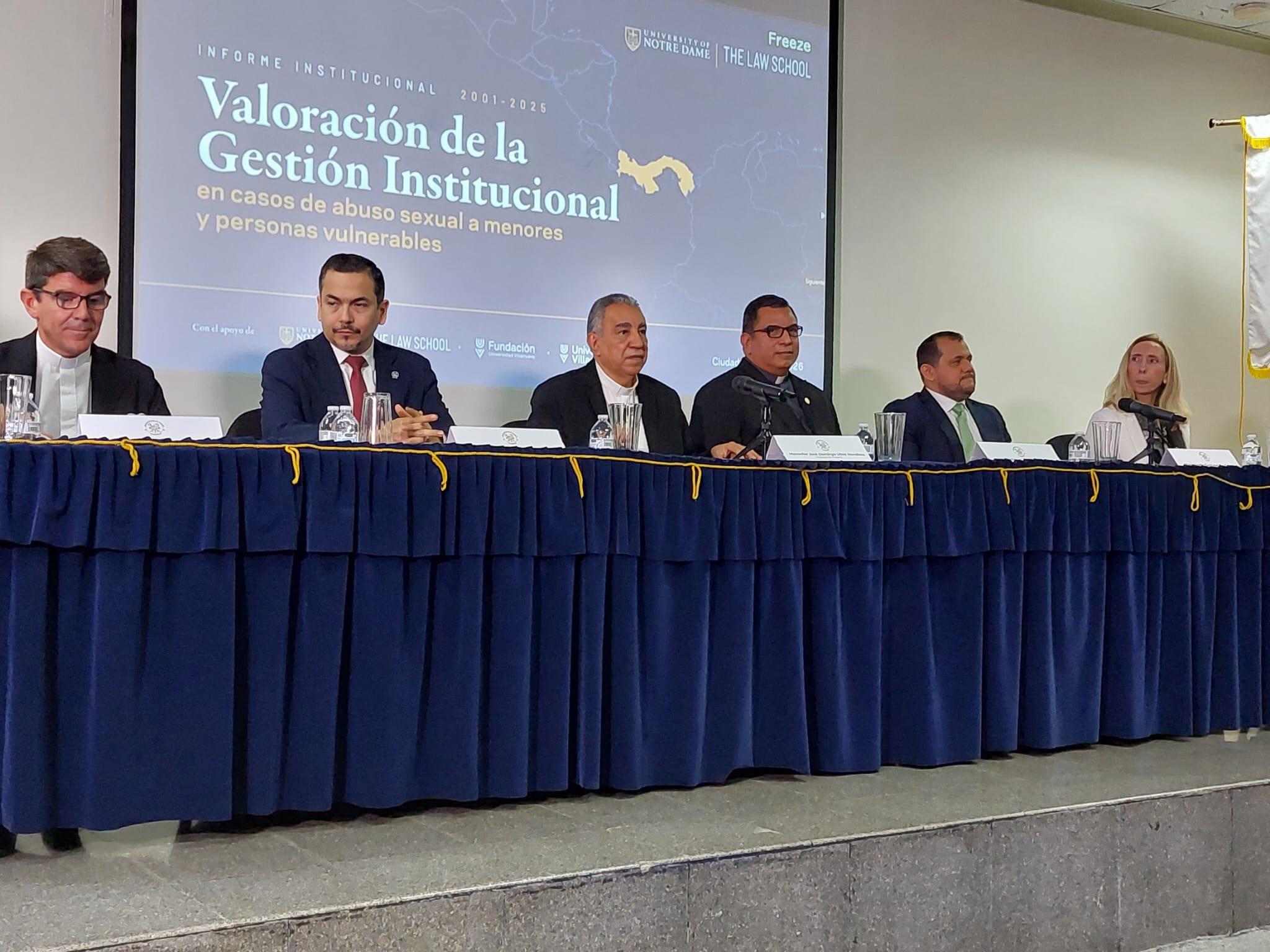
(OSV News) — Archbishop José Domingo Ulloa Mendieta of Panama reiterated the Church’s commitment to safeguarding and accountability after an independent inquiry he ordered revealed decades of negligent record-keeping and a system that prioritized perpetrators rather than victims.
At a Sept. 22 press conference at the Catholic University of Santa Maria La Antigua (USMA), Archbishop Ulloa said he didn’t request the inquiry “to defend ourselves, to justify past decisions, and much less to protect the image of our institution.”
“We have done it because we know that only by sincerely recognizing our successes, our weaknesses, and our mistakes can we strengthen a true culture of care, prevention, and protection,” he said.
The Transparency Commission, an international, multidisciplinary group of experts in canon law, theology, communications, clinical psychology, sociology, and institutional accountability, conducted the inquiry.
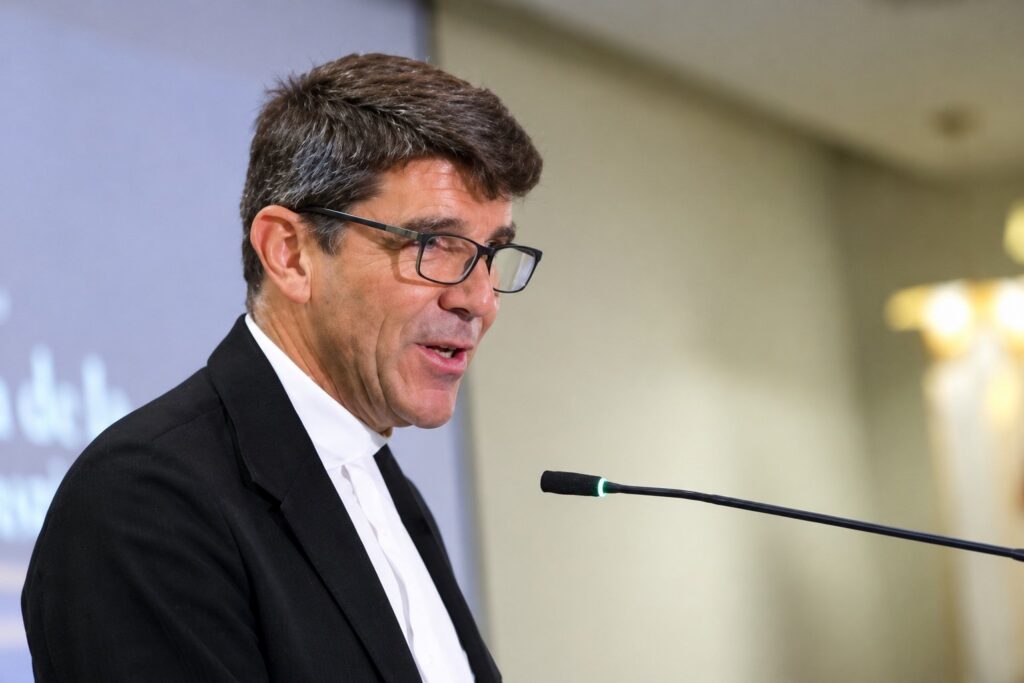
Led by Father Jordi Pujol, a canon lawyer and professor of media ethics at the Pontifical University of the Holy Cross in Rome, the commission’s investigation was seen as the first of its kind.
Similar independent inquiries, such as in Germany and France, were ordered across dioceses by their respective bishops’ conferences. In Spain, the bishops’ conference carried out an inquiry after the country’s parliament ordered its own investigation into sexual abuse in the Catholic Church.
The work of the Transparency Commission in Panama, however, marked the first time a local diocese subjected itself to an independent academic review that wasn’t court-ordered or Church-mandated, nor forced by media pressure.
‘Groundbreaking’ initiative of ‘courageous commitment to tell the truth’
To ensure its independence, the commission said the archdiocese provided only ground transportation, workspace, and lodgings, while Indiana-based Notre Dame Law School and the Universidad Villanueva Foundation from Spain sponsored and funded the study.
At the press conference, G. Marcus Cole, dean of Notre Dame Law School, called the study a “groundbreaking initiative,” highlighting that over the past 25 years, the Church’s failures in addressing the sexual abuse crisis were largely “exposed by the media or by state actors.”
“Today marks the first time in the modern history of the Catholic Church in which a local Church tells its own story, not because of pressure, but because of a courageous commitment to tell the truth, learning from the past in order to do better in the future,” Cole said.
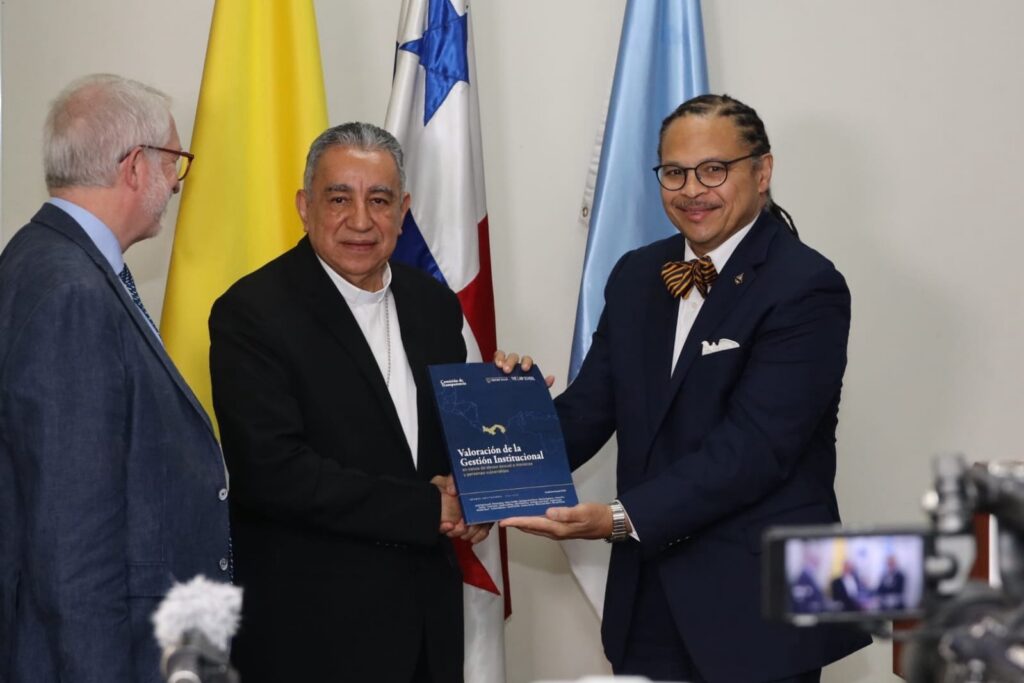
“This report marks an important chapter in the history of the Church in Panama, and serves as a point of reference for all future efforts to better protect and serve minors and the vulnerable,” he added. “It offers a transparent retelling of the successes and shortcomings of the past, and provides a benchmark against which all future efforts to protect minors and vulnerable persons in Panama can be measured.”
Father Pujol said the study represented an “intense year of work” and noted the commission “enjoyed the full cooperation of the archdiocese and at no point experienced any interruption.”
“We were able to work with great serenity and great independence,” adding that the initial draft of the study was delivered to “three international peer reviewers from outside as well as inside the Church who have worked on transparency in the public sector and also possess experience in the ecclesiastical sector.”
Missing records, lack of reparations
According to the nearly 130-page report, the Transparency Commission was given access to archdiocesan archives and Church tribunal records between 2001 and 2025, and examined 37 complaints, narrowing them to 24 cases involving minors and vulnerable adults.
However, the report said, missteps often appeared as procedures advanced. Some cases, for example, lacked the year the complaints were made, the victims’ identities, preliminary investigations, or notifications to victims about their case.
The commission noted that the study showed a system “that revolved around the case and the accused, not around the injured person,” not to exclude victims on purpose, but “because nothing required their care to be documented.”
“The consequence is that the pillar of reparation is the weakest,” the report stated, adding that “there is no record in any case file of an assessment of harm, nor the adoption of reparation measures” for victims.
The inquiry also found a lack of cooperation with civil authorities in cases of abuse, stating that formal reports to state prosecutors were registered in only two cases, while no report was filed in four cases, and no documentation existed in the remaining 18 cases.
Nevertheless, the report said that while there have been improvements, including new guidelines adopted in 2015 and the establishment of a listening office in 2024, “institutional capacities are advancing unevenly.”
“Prevention — rules of interaction, regulation of the digital environment, safeguarding clauses with third parties — is practically the only area where the commission found no structure to assess,” it stated.
Recommendations to help ‘place victims at the center’
The Transparency Commission said that while it “found no evidence” of institutional cover-up, the examined records revealed a series of administrative failures that undermined accountability.
“The central problem documented in this report is one of record-keeping, not of denial,” it said. “What the evidence substantiates is an administrative culture that left no records: procedures that were initiated without a decree, investigations that were not closed in writing, resolutions that were not notified, accompaniment that perhaps existed but that no one wrote down.”
That failure, it added, deprived victims “of knowing what happened to their complaint” and deprived the local diocese of demonstrating “what it did” in those cases.
The report concluded with 24 recommendations, marking seven as urgent, including an overhaul of the archdiocese’s archives, establishing traceable protocols for civil and canonical complaints, and establishing mechanisms for reparations to victims.
The recommendations, it said, would help place victims at the center and foster a culture of zero tolerance that can be proven and not just proclaimed.
“The challenge is for that willingness to be transformed into documentary evidence and sustained practice, closing the gap between the discourse of zero tolerance and its verification,” the report said.
Knowing the truth in order to ‘improve’
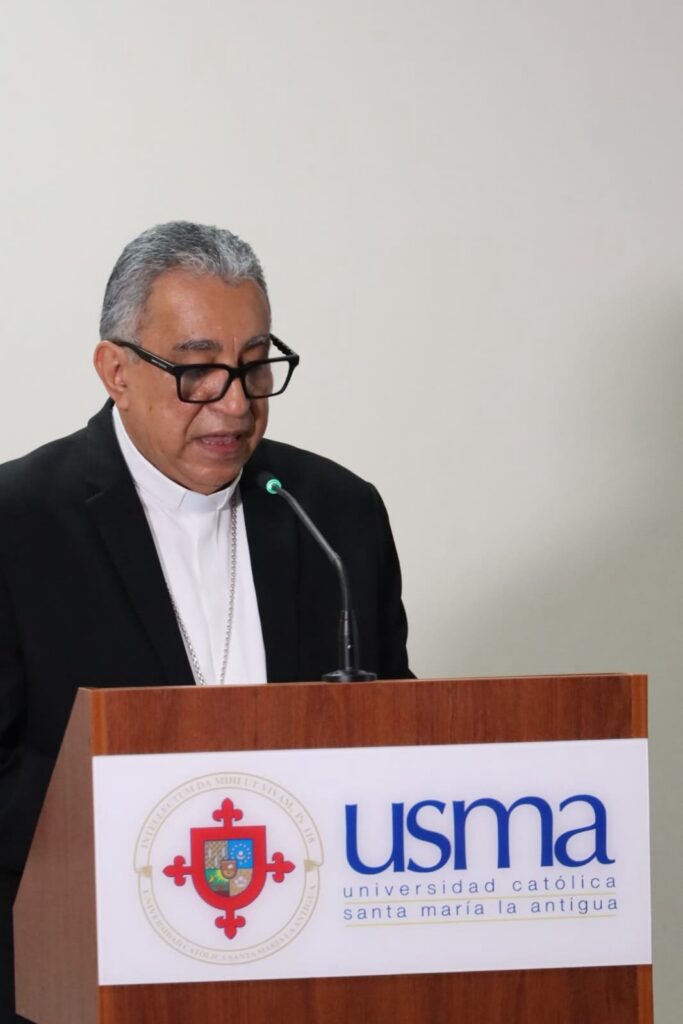
In his address, Archbishop Ulloa said he wanted the commission’s work to be carried out “in full freedom” because he wanted to “know the truth of how we have done things in order to improve, regardless of what we might find.”
“Personally, I am convinced that there is no better way to sleep well than by doing things well,” he said. “And if there was something that was keeping me from sleeping well, it was precisely how we were handling such an important reality within our institution.”
Addressing victims and survivors, the archbishop said he was “deeply pained by the suffering” they experienced in the Church, where they should have found “a place of welcome, care, and trust.”
“Wherever members of our Church caused harm, wherever our institutional response was not up to what the victims needed and had a right to expect, we ask forgiveness in the name of the Church,” he said.
“We know that asking forgiveness does not erase what happened, nor does it heal wounds on its own. That is why these words cannot remain merely an expression of sorrow,” he said.
Archbishop Ulloa said the archdiocese was ready to listen to victims and survivors and wanted “to receive every complaint with seriousness, respect, and confidentiality, protecting the persons involved and acting in accordance with established procedures.”
“Important steps have been taken,” he said. “But precisely because we have made progress, we also have the obligation to ask ourselves with humility what is missing, what did not work, what we must strengthen, and what we have to do better.”
– – –
Junno Arocho Esteves is an international correspondent for OSV News. Follow him on X @jae_journalist.
