


(OSV News) — On the threshold of Holy Week and amid the U.S. and Israel-Iran war gaining new fronts, and harvesting new victims daily, the Patriarchs and Heads of the Churches in Jerusalem issued an annual Easter message, calling the war an “expanding wreckage” and its timing a “deep darkness.”
While “hope itself appears to have abandoned us,” they reminded the faithful in the Middle East and beyond that Scripture “teaches and our faith reveals, the desolation of the tomb was not the end of the story.”
“In the weeks leading up to this year’s commemoration of Christ’s death and resurrection, a new and devastating regional war has once again plunged the Holy Land and the wider Middle East into turmoil,” the patriarchs and heads of churches said.
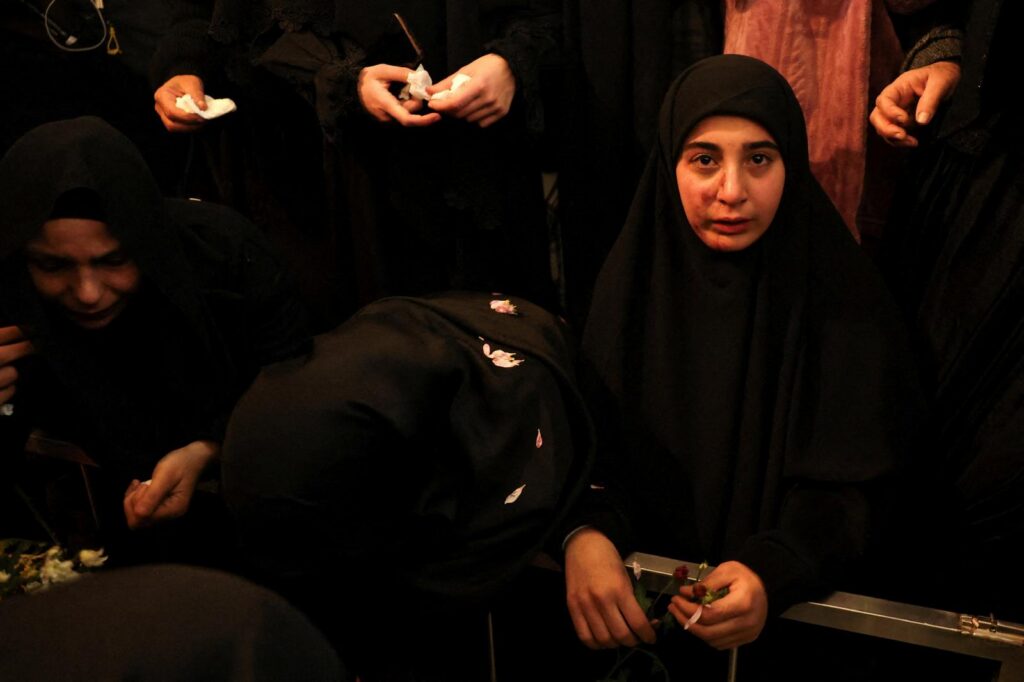
Iran war expands in the Middle East
While the message from the patriarchs and heads of Christian churches was released March 27, it did not take long for the war to expand over the weekend, with The Washington Post reporting March 28 that the Pentagon is preparing “for weeks of ground operations in Iran.”
The Post said that thousands of U.S. soldiers and marines are arriving in the region “for what could become a dangerous new phase of the war should President Donald Trump choose to escalate.” Officials speaking to The Post on conditions of anonymity said “any potential ground operation would fall short of a full-scale invasion.”
As of March 29 it was unclear whether President Trump would approve such a plan, or part of it.
However, Iranian parliament speaker, Mohammad Bagher Ghalibaf, publishing a message that day marking 30 days since the start of the U.S. and Israel-Iran war, said Iran’s forces “are waiting for the arrival of American troops on the ground to set them on fire and punish their regional partners forever,” Ghalibaf said, according to multiple Western media reports.
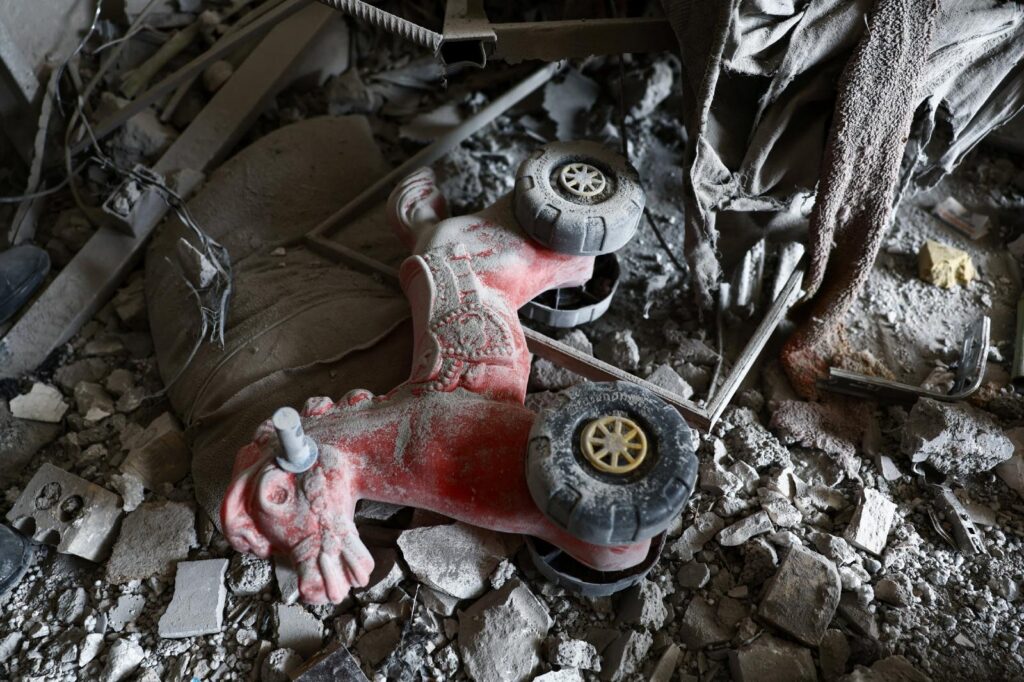
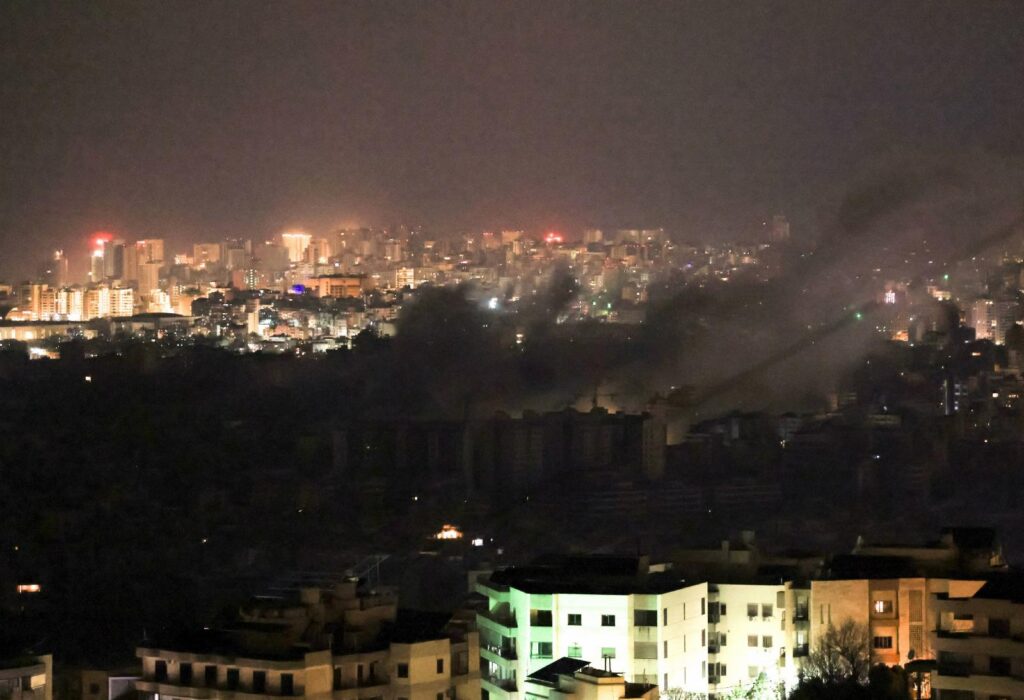
Israel’s war in Lebanon intensifies
On March 29, Israel’s Prime Minister Benjamin Netanyahu ordered its military to expand its military campaign to create a “buffer zone” in southern Lebanon. Israel’s ground invasion and air strikes have displaced a million Lebanese from their homes in the country’s south, killing 1,000 people and raising fears that one of the last major enclaves for Christians in the Middle East will face the kind of destruction Israel inflicted on the Gaza Strip in its war against Hamas.
A day earlier, three journalists — Fatima Ftouni, her brother Mohamad Ftouni, and Ali Shoaib — were killed in an airstrike by the Israeli military, which accused Shoaib of being a Hezbollah operative disguised as a journalist. Hezbollah joined the Iran war in defiance of Lebanon’s government on March 2, firing rockets into Israel.
The Ftounis worked for Al Mayadeen, a Beirut-based TV channel. Shoaib was reporter for the Hezbollah-affiliated Al Manar TV channel, according to the international organization Committee to Protect Journalists.
CPJ said they’re investigating the latest attack on media personnel in Lebanon, “which has been an increasingly deadly zone for journalists, despite their status as civilians who must not be targeted,” said CPJ Regional Director Sara Qudah.
Lebanon’s President Joseph Aoun, a Maronite Catholic, and the Lebanese Minister of Information Paul Morcos denounced the killing of the journalists, with president Aoun calling the attack “a blatant crime that violates all the norms and treaties under which journalists enjoy international protection in wars.”
Houthis enter the Iran war
Houthi militants in Yemen have also become the latest combatants to enter the Iran war by firing missiles at Israel March 28 in support of their Iranian backers and raising fears about new strikes on shipping in the Red Sea.
“Each passing day has brought increasingly fierce escalations — a relentless cycle of death, destruction, and frightful suffering that now ripples across the globe in rising economic hardship,” the patriarchs and heads of churches continued in their March 27 statement.
“From the blackened smoke of this expanding wreckage, a deep darkness has engulfed our region, as stifling as the air inside the sealed tomb of the crucified Christ” the leaders said.
However, the “desolation of the tomb” of Jesus Christ, they said, “was not the end of the story.”
“Death did not have the final word. By the power of God, Christ rose victorious from the grave, bursting the bonds of sin and death,” Church leaders in the Holy Land said.
Hope in the Resurrection amid ‘cataclysmic times’
With reference to “these cataclysmic times,” the patriarchs cited St. Paul’s Letter to the Romans: “Just as Christ was raised from the dead by the glory of the Father, we too might live in newness of life.”
“In keeping with this profound truth,” the heads of churches emphasized, “we bid the faithful and all those of goodwill to work and pray ceaselessly for the relief of the countless multitudes throughout the Middle East and beyond who are suffering severely from the ravages of this war.”
The Church leaders of the Holy Land appealed to the faithful and people everywhere of good will to “advocate and intercede for an immediate end to the bloodshed and for justice and peace to finally prevail throughout our war-torn region, beginning in Jerusalem and extending to Gaza, Lebanon, and all the Holy Land; to the Gulf States and Tehran; and to the ends of the earth.”
Paulina Guzik is international editor for OSV News. Follow her on X @Guzik_Paulina.
