


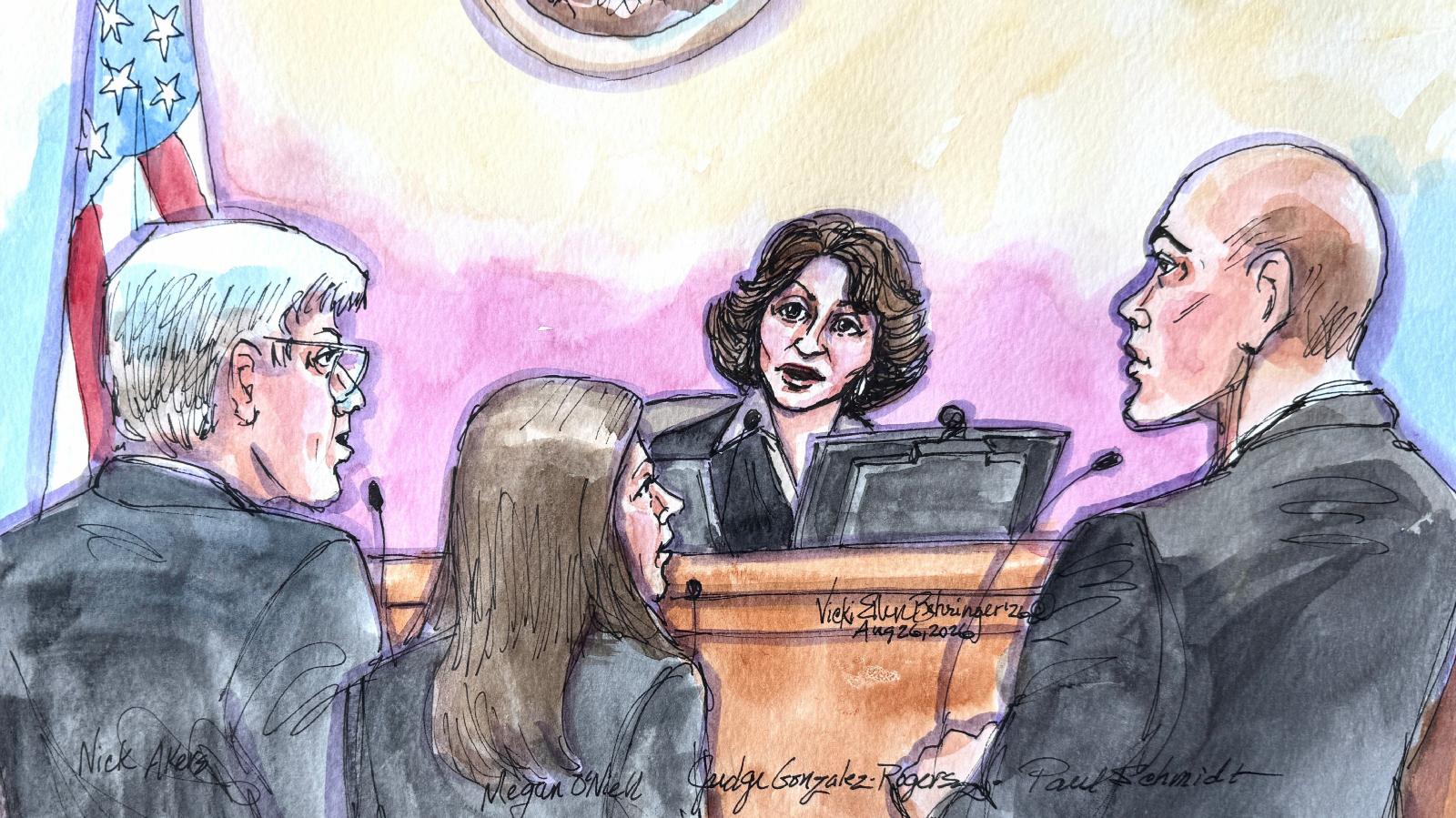
(OSV News) — On Aug. 26, social media giant Meta — owner of Facebook, Instagram, WhatsApp, Messenger, Threads and more — agreed to settlements paying out approximately $18 billion, ending a landmark federal trial that began Aug. 18.
The case before the U.S. District Court for the Northern District of California was brought forward by a bipartisan coalition of attorneys general, and centered on allegations Meta misrepresented the extent of potential mental health harms caused to children using its apps.
As part of a proposed “consent judgment,” Meta committed to “establishing daily limits and blocks on nighttime use for teenage users” of its social media platforms. It also committed to “enhanced age assurance measures to prevent children from accessing the platform, or age restricted content available on the platform, and … additional tools to help parents and guardians to protect their children online.”
Meta has not admitted wrongdoing in the settlement. Up to this point, the corporation has argued misleading consumers was impossible because “social media addiction” isn’t an officially recognized psychiatric condition.
A $17.1 billion settlement covers 47 states, the District of Columbia, and a handful of U.S. territories. Meta settled separately with Texas for $1 billion. Funds will be paid out over a 10-year period. The money will fund various youth online safety initiatives as deemed by the states.
“This settlement has the potential to be significant in one way,” Mary Graw Leary, a professor of law at The Catholic University of America Columbus School of Law, told OSV News.
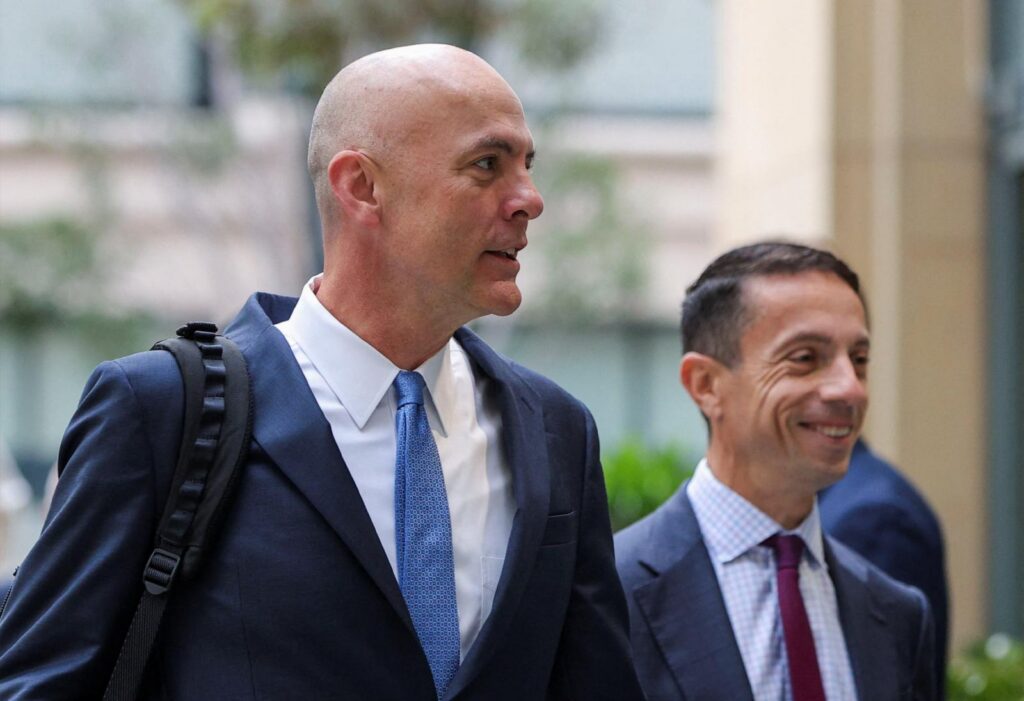
“It is now multiple cases in which Meta has been accused of designing their products to be harmful; misleading the public as to their harm; and misleading the public as to their safety — and they have either lost or settled the cases,” she explained. “That suggests Meta has an awareness that their own internal documents reveal a real risk of their actual motives emerging, and they recognize that they have difficulty establishing otherwise.”
Questions of accountability
However, Graw Leary, who directs the law school’s modern prosecution program, cautioned that while the potential for change now exists, it’s still not a surety the digital environment will become more safe.
“I would not think this settlement amount alone will severely impact Meta,” she said. “Moreover, it is significantly less than the $200 billion that the AGs estimated would be the damages at the beginning of trial.”
She said it “may be significant” if Meta “actually does what this settlement requires.”
But,” Graw Leary noted, “this is a company which the court found at the summary judgment stage already collected private data from children under 13, which has been prohibited by law for many years. So, the track record of compliance is not there. Furthermore, there will no doubt be disagreements as to whether they are complying — and such disagreements could be bogged down in the courts.”
Graw Leary further emphasized some of the provisions are not highly burdensome on Meta — and that in the end, this amounts to a business decision for the company.
“It will cost them more to finish the trial and lose than to pay just over $1 billion every year for 10 years,” she said. “Moreover, they will no doubt use this settlement to further lobby against any meaningful regulation that Congress is contemplating.”
Graw Leary argued that what would really affect Meta is “comprehensive regulation.”
She said, “If the parties disagree about whether Meta is following the settlement terms, it will be a long road to litigate that. But if there was a federal law that precludes them from having certain design features, that would be much more powerful.”
Beyond the settlement
Sister Helena Burns, a member of the Daughters of St. Paul, who holds a graduate degree in media literacy education, studied screenwriting at UCLA and can herself be found on the social media platform X, told OSV News she was “thrilled that this issue is being taken so seriously, and that the funds are going to truly pertinent programs, including media literacy for youth and practical alternatives to engaging with a screen 24/7.”
“However,” she added, “I wish there were more programs and incentives for parents to learn skills and strategies for parenting the media.”
Clare Morell, a fellow at the Ethics and Public Policy Center in Washington, and author of “The Tech Exit: A Practical Guide to Freeing Kids and Teens from Smartphones,” also had both plaudits and reservations.
Morell termed the settlement “a monumental step forward in changing the social media industry to protect our children.” She noted “it gets rid of many of the most dangerous and addictive features of social media platforms, and requires robust age-verification to keep underage minors off the platform and ensure that the new automatic safeguard features apply to all minors under 18.”
However, she said, “it does nothing to change the age for social media in the U.S., which will still be 13 years old — whereas other countries like Australia and the U.K. have been raising the age to 16.”
“It also does nothing to change the addictive algorithms or give parents control of the algorithms,” added Morell, “and even the new two-hour-daily time limit set for Meta’s apps can still be incredibly addicting for young brains; because in that two hours, a minor is getting constant hits of dopamine to his or her brain.”
Ultimately, she feels legislation is still necessary — as well as parental vigilance.
“The best thing to do is still to keep children and teens off social media entirely,” Morell said. “Yes, this settlement is a huge change for the industry in the right direction — but it is not a silver bullet.”
Kimberley Heatherington is an OSV News correspondent. She writes from Virginia.
