


WASHINGTON (OSV News) — With just weeks remaining before the midterm elections, multiple polls show voters are concerned about the development of artificial intelligence, or AI, even while economic issues still lead rankings of voter concerns.
As policymakers in countries around the globe, as well as Church leaders, are grappling with possible ramifications surrounding the rapid advancement of the technology, multiple polls suggest U.S. voters would support pausing or restricting AI development with safety guardrails.
A new Politico Poll found that a plurality of adults in the U.S. want to pause AI development “regardless of their political leanings,” and a majority said there is “a real risk the technology could destroy humanity.” Politico found similar results in Canada and Europe.
A recent New York Times/Siena poll found voters are skeptical about the technology and concerned about the construction of data centers in their communities, but neither party had a clear advantage at this stage.
Bipartisan support for AI regulation
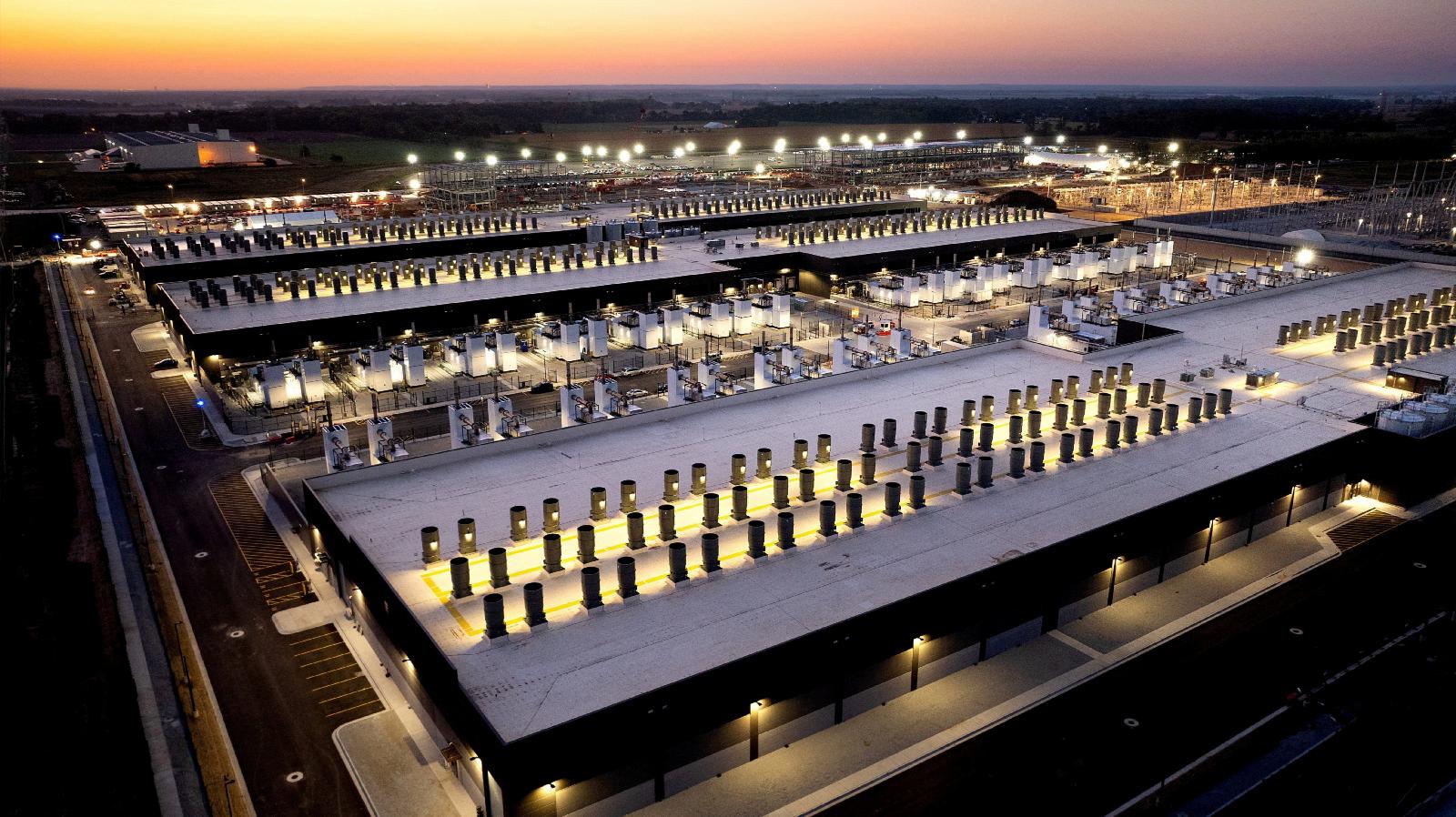
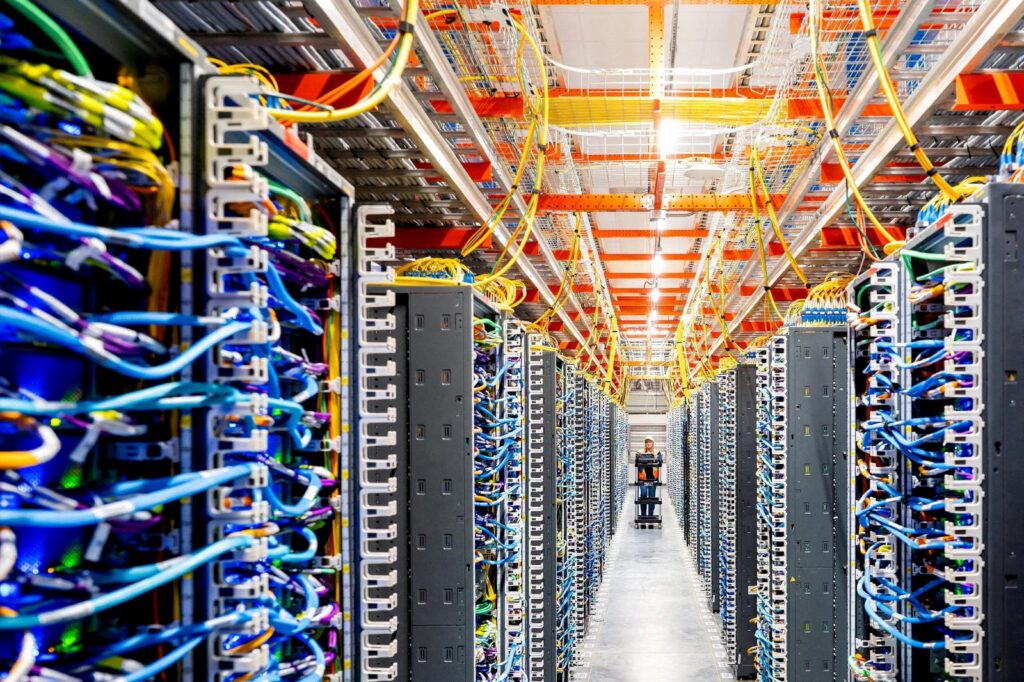
That poll found 61% of voters said they oppose the construction of data centers to support AI, and just 34% said they support that construction.
However, the same poll found less than 1% of voters said that AI or data centers were the most important issue in deciding their vote, and economic issues continued to dominate voter concerns. But, the Times noted, new concerns by AI tech executives about the issue had rapidly changed the news cycle in between conducting and publishing the poll.
But, a new CNN poll conducted by SSRS also found that 71% of Americans said the federal government is not doing enough to regulate AI development. That survey suggested bipartisan support for such action, with 85% of Democrats, 67% of independents and 63% of Republicans saying the government should act.
Pope Leo and the US bishops’ push for AI regulations
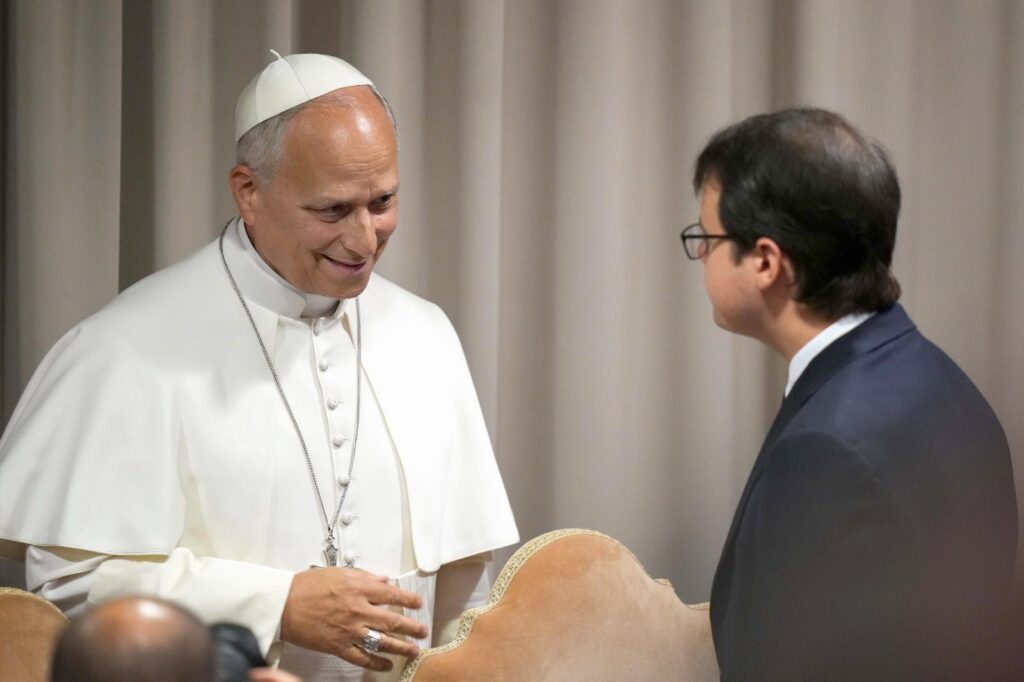
Pope Leo XIV’s first encyclical, “Magnifica Humanitas: On Safeguarding the Human Person in the Time of Artificial Intelligence,” published in May, addressed a number of human dignity concerns posed by AI and called for the technology to be “regulated in such a way as to respect the environment, avoid waste and prevent new forms of exploitation,” including the prevention of new forms of sexual exploitation.
The U.S. Conference of Catholic Bishops recently announced a new task force to engage with tech leaders and lawmakers to discuss their concerns about AI, human dignity and online child safety. More than a dozen U.S. bishops met with members of Congress on Sept. 16 to urge lawmakers to enact effective safety guardrails, such as the Kids Online Safety Act (S. 1748).
The House passed a version of legislation earlier this year, but the Senate’s version includes a “duty of care” provision that was not included in the House bill. The White House has negotiated with senators on their version of the bill.
Trump, Parolin push contrasting AI visions at UN
But in a Sept. 22 speech to the U.N. General Assembly — where he also said that he was weighing a choice between a deal with Iran or to “annihilate the Islamic Republic” — President Donald Trump reiterated his bullish position on AI, rejecting calls from multiple tech leaders to slow down its development to establish safety guardrails.
“We’re going to encourage it, not rein it in,” he said. In the same speech, Trump said he was rebranding AI as “superintelligence,” and that the technology would be referred to as such in official U.S. documents.
In contrast, Cardinal Pietro Parolin, the Holy See’s top diplomat, said in comments to the UN General Assembly the following day that the debate on AI concerns must be centered on universal values, “in order to ensure that its development and use conform to the essential purpose of integral human development.”
“The Holy See is firmly committed to these conversations on AI,” he said, “where the inviolable dignity of the human person is truly at stake.”
Kate Scanlon is a national reporter for OSV News covering Washington. Follow her on X @kgscanlon.
