


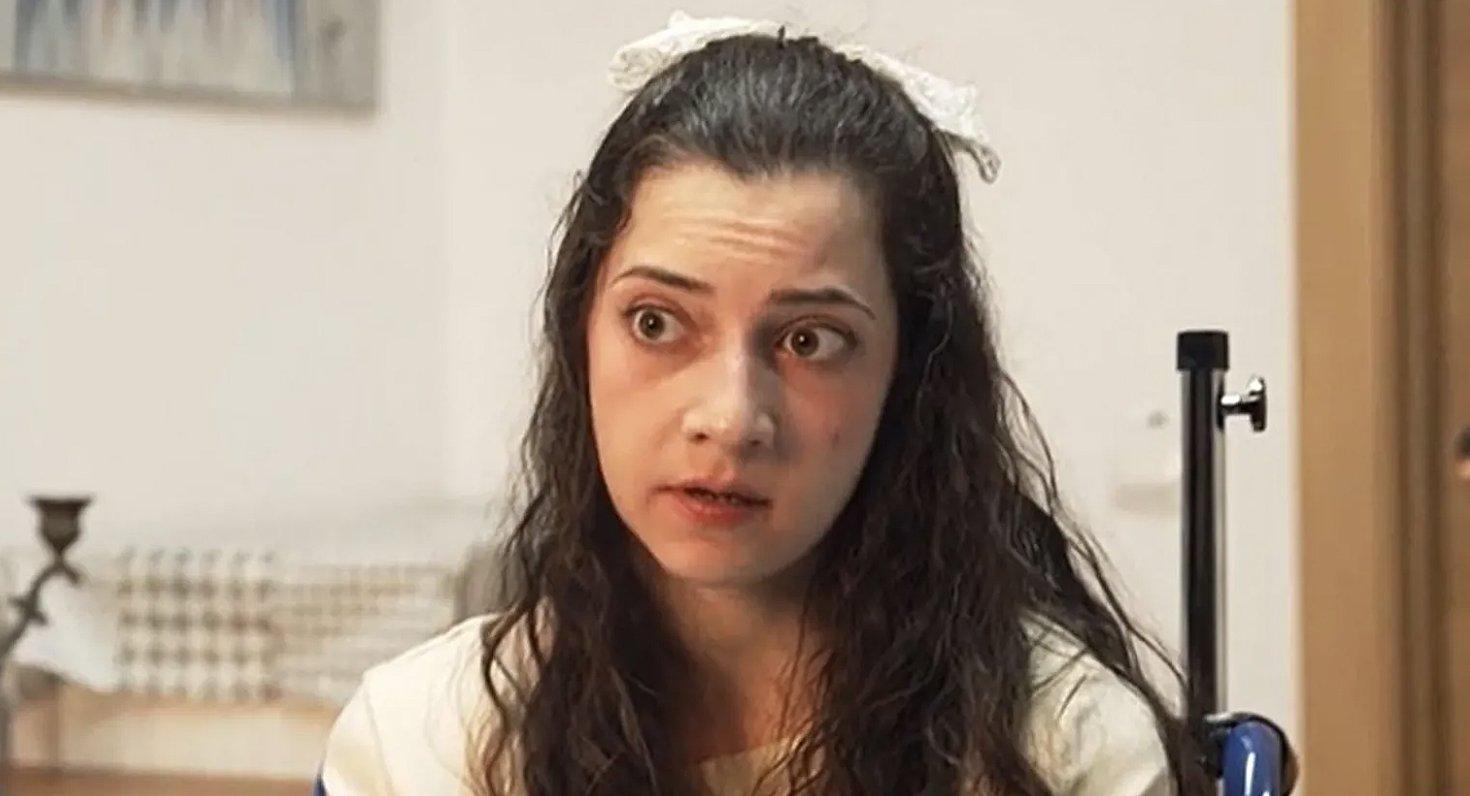
(OSV News) — The proper response to human suffering should not be to cause death to provide adequate care and closeness to the most vulnerable, the Spanish bishops’ conference said in response to the case of a 25-year-old woman who chose to end her life by euthanasia March 26, despite her father fighting to stop the procedure.
“When life hurts, the response cannot be to shorten the path, but to walk it together. Only in this way can we build a truly just society, where no one feels alone or discarded,” the bishops said in a statement published March 26.
Case of Noelia Castillo
The statement came in response to the case of Noelia Castillo, a young woman who was granted permission by the Catalan government to end her life in 2024. It was signed by several bishops, including Bishop José Mazuelos Pérez of Canarias, chairman of the conference’s Subcommission for Family and the Defense of Life.
In an interview with the Spanish television channel Antena3, aired only hours before her death March 26, Castillo said she wanted “to leave in peace already and stop suffering, period.”
The young woman recounted the suffering she endured after her parents separated when she was 13. Her trials included three instances of sexual assault. In 2022, after the second sexual assault, she tried to commit suicide.
Although she survived, she was left a paraplegic.
She needed support, human connection
“She suffered a gang rape and did not receive the psychological support or human connection she needed. A failed suicide attempt left her wheelchair-bound and deepened her suffering,” Elena Postigo, assistant professor of anthropology, ethics and bioethics at the Francisco de Vitoria University in Madrid, said in a March 26 X post.
“Her story exposes the deepest flaws in our system,” Postigo said, calling Castillo “a victim of institutional neglect who left her completely alone in her pain.” The professor lamented that “her request for assistance in dying is presented as an act of freedom, when in reality it expresses the despair of someone who was never welcomed or treated as she deserved.”
Castillo said in her final television interview: “Finally, I can get some rest because I can’t take this family anymore, I can’t take the pain anymore, I can’t take everything that torments me in my head from what I’ve been through.”
Her father’s failed appeal of her decision
Although the process was delayed after Castillo’s father appealed the decision, the Supreme Court of Catalonia and the European Court of Human Rights upheld it, allowing her to proceed.
Castillo died by euthanasia at a facility in Barcelona, Spanish advocacy organization Abogados Cristianos, who helped Castillo’s father in his legal battle, confirmed in a post on X at 7:54 p.m. local time. She was administered life-ending medication.
“We deeply regret her death and denounce that this case highlights serious flaws in the euthanasia law, which does not protect the most vulnerable people,” Abogados Cristianos (Christian Lawyers) said in its statement.
Hopes Noelia’s story will drive change
“We ask politicians to ensure her story serves to drive urgent changes and prevent something like this from happening again,” the organization said, expressing their gratitude to those who “empathized with the family during these very difficult times.”
They said the young woman’s parents “are devastated after years of trying to support her in her rehabilitation.”
In their message published the day before her death, the bishops said Castillo’s situation reflected “an accumulation of personal suffering and institutional shortcomings that challenge all of society.”
Situation ‘demands a deeper look’
“Her situation cannot be interpreted solely in terms of individual autonomy; rather, it demands a deeper look, capable of recognizing the weight of psychological suffering, loneliness, and despair,” the statement read.
Spain legalized euthanasia in 2021, allowing adults with a terminal illness and those with serious and chronic disabilities to request help to die from the public health care system.
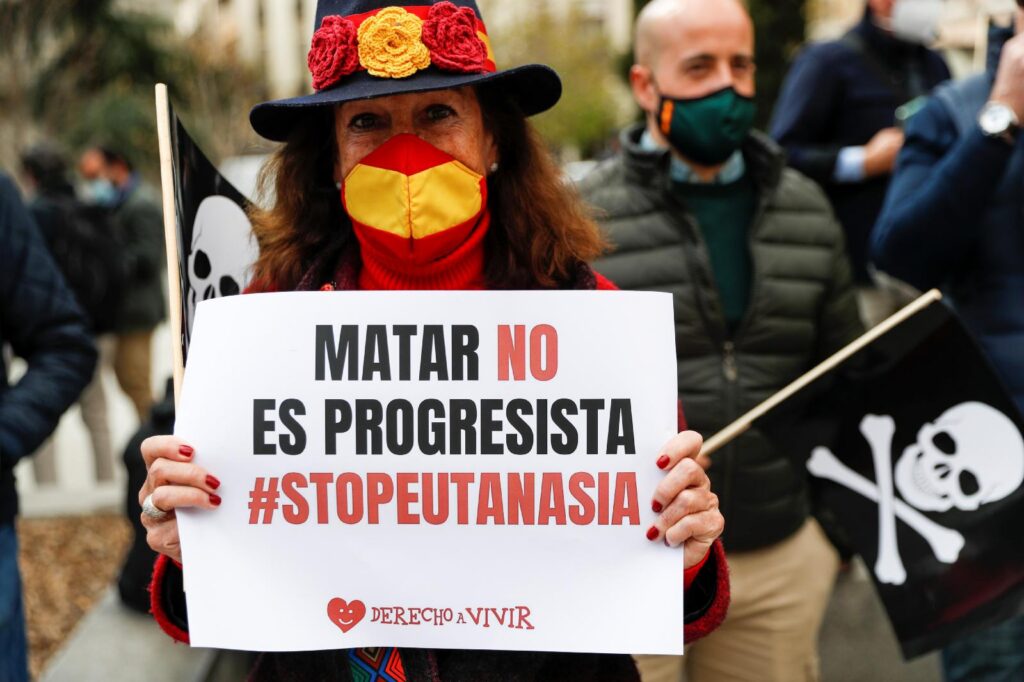
While euthanasia is often justified by supporters of the law for those suffering from terminal and incurable medical conditions, the bishops noted that Castillo was not “facing a terminal illness, but rather deep wounds that demand attention, treatment, and hope.”
‘Breaking the bond of care’
Euthanasia and assisted suicide “are not medical acts” but a deliberate “breaking of the bond of care” that constitutes “a social defeat when presented as a response to human suffering,” the bishops said.
In euthanasia, a doctor administers the lethal medication, while in assisted suicide, the patient self-administers it.
The Spanish bishops said human dignity should not depend on one’s health or subjective perception of life, and that it has “an intrinsic value that demands to be recognized, protected, and promoted in all circumstances.”
“Therefore, the truly human response to suffering cannot be to cause death, but to offer closeness, accompaniment, adequate care, and integral support,” the statement said.
Recommitment to ‘culture of care’
Expressing their closeness to Castillo and her family, the Spanish bishops assured them of their prayers and renewed their “commitment to a culture of care that abandons no one.”
“We call upon all of society to strengthen psychological care resources, human accompaniment, and support networks, especially for the most vulnerable people,” the bishops wrote.
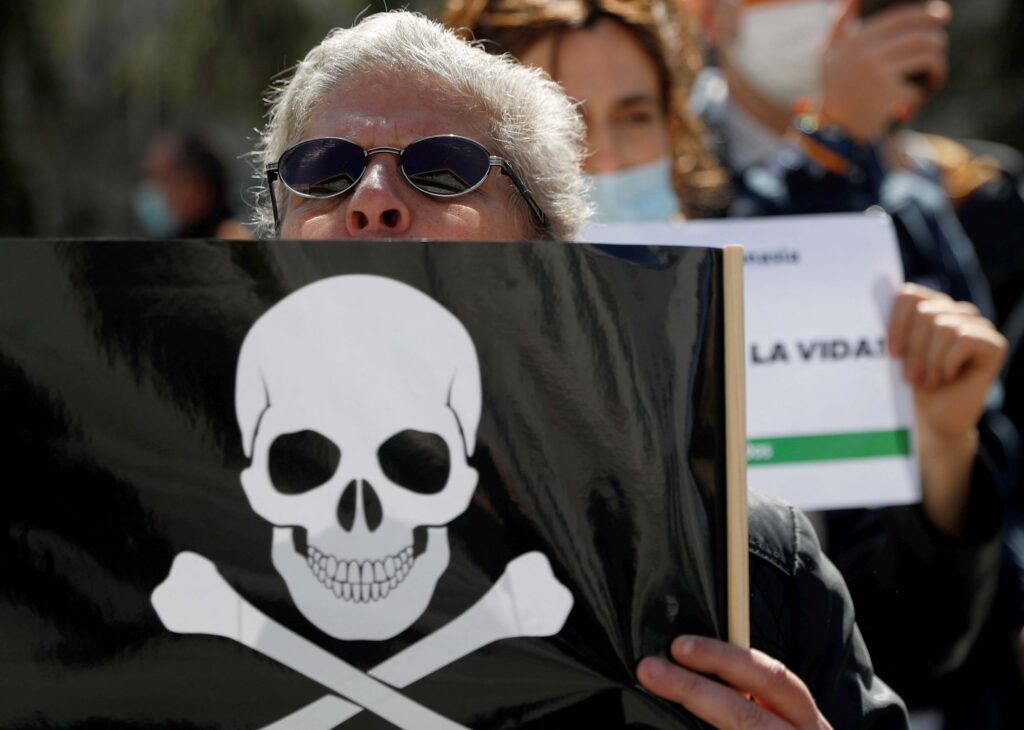
Bioethics professor Postigo said in her viral post: “Human dignity does not depend on suffering, or autonomy understood as self-sufficiency. It stems from the unique value of each person, from their need for connection, care, and love. However, instead of offering genuine compassion, the law ends up legitimizing the surrender of life for those who most need support and hope.”
State needed to offer help to heal, not death
Castillo, the professor emphasized, did not need the Spanish state “to offer her death” but to give back “meaning, help, and the possibility of healing” in her life.
Postigo said what was decided in Castillo’s case — confirmed by a state and international court was “not an act of freedom, but rather a reflection of a profound collective failure.”
“When life is painful, what is truly human is to care, support, and sustain, not to kill.”
Junno Arocho Esteves is an international correspondent for OSV News. Follow him on X @jae_journalist.
