


(OSV News) — Papal biographers agree that assessments of Pope Leo XIV’s future ministry remain premature following his recent lung surgery and cancer diagnosis, while praising his personal disclosure as a major, irreversible shift toward transparency regarding papal health.
Such assessments gained traction after the Vatican’s secretary of state, Cardinal Pietro Parolin, suggested the 71-year-old pontiff may need to “reshape” his pontificate, remarks that made headlines across Italy.
Speaking to journalists outside an event in Rome Oct. 15, the cardinal said that while the news “was a big surprise,” he was “very pleased” with the pope’s direct communication “so that there are no backroom conspiracy theories.”
Cardinal Parolin acknowledged at the same time that the pope’s current medical situation will shape how he exercises his office.
“The pope has only been hospitalized for two days; no predictions whatsoever can be made,” the cardinal said, according to the Italian online news site Affari Italiani and several other Italian media outlets. “Now we just have to see when he will return, what his condition will be, and what the doctors will say. And, based on all these factors, the pope will then reshape his pontificate, if necessary.”
However, speaking to journalists Oct. 16 during an event at Rome’s Catholic University of the Sacred Heart, the cardinal clarified, according to the Italian news wire service ANSA, that he had misspoken and was referring to papal trips, “for instance, at least with regard to this next trip” in Latin America.
Allen: Slowing down, not reshaping

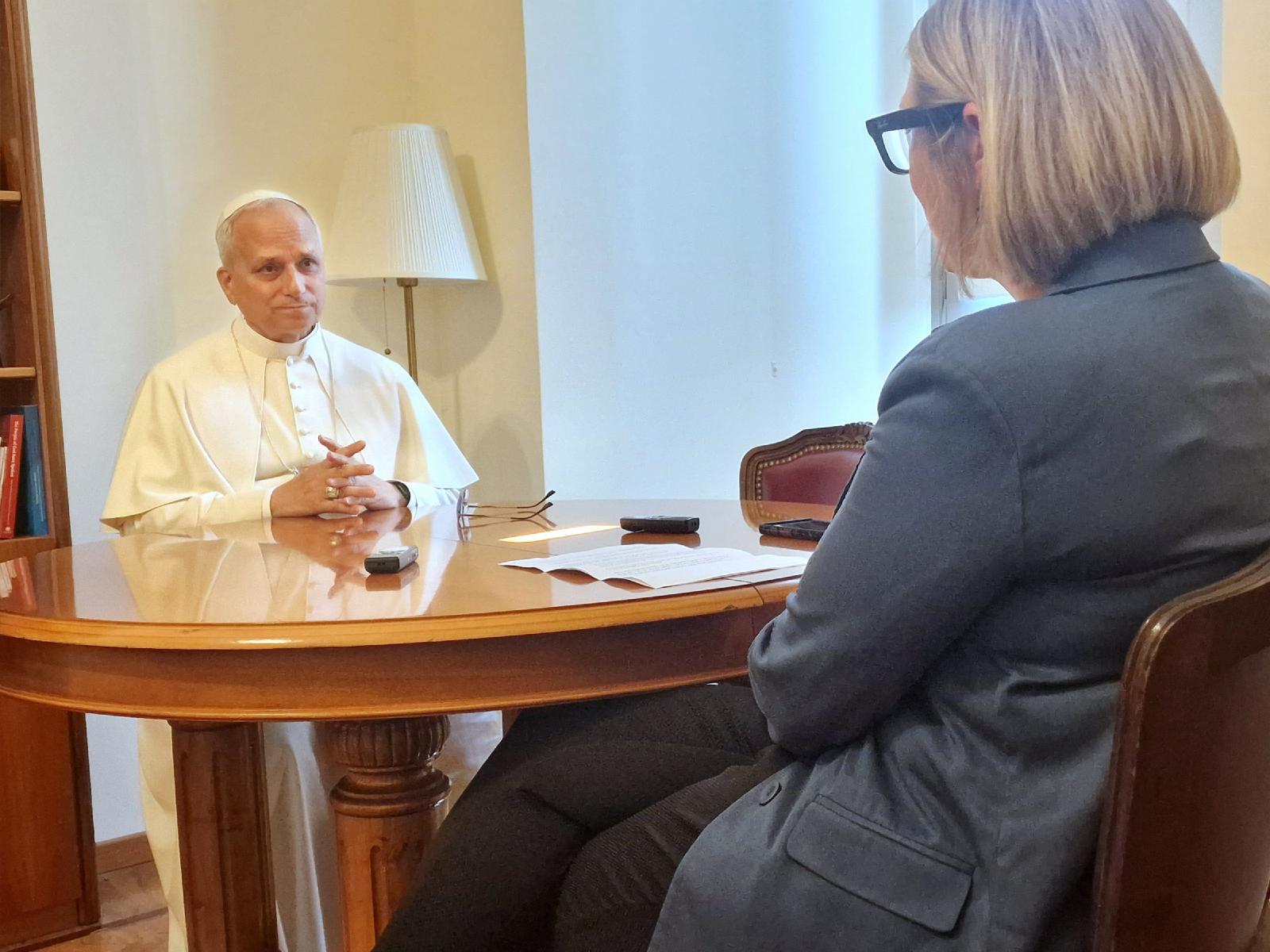
Elise Allen, Vatican journalist and author of “Pope Leo XIV: The Biography,” believes that “right now, the biggest reshaping is simply less intense.”
“It will be an eased workload, probably a lighter schedule when he travels, with fewer meetings and built-in rest,” she said. “We’re not going to see grueling itineraries anymore, and I would not be surprised if his upcoming trip to South America were canceled or readjusted.”
While the pope is determined and will most likely “want to push his limits,” Allen noted that the 71-year old pontiff is “fundamentally a prudent, duty-driven man who will listen to his body and his doctors.”
In her book, Pope Leo told Allen, who was granted the first interview of his pontificate, about the only other time he was hospitalized after contracting typhoid fever in Peru in 1985.
Allen told OSV News that his missionary experience “shaped his resilience in a way that nothing else really could,” especially living “with the same limited medical resources as the people.”
“In our interview, he told me that God calls pastors to serve and sacrifice, but never to be imprudent,” she recalled. “He won’t let this knock him down; he’s going to come back stronger, but he is going to find a path forward that fits where he is physically.”
A shift in Vatican’s transparency policies
Pope Leo’s announcement that he would undergo lung surgery, followed by a confirmed cancer diagnosis, came as a shock not only for its gravity, but for the unprecedented openness with which the news was shared.
For much of modern papal history, the illnesses of past popes were often cloaked in institutional silence or crafty clinical terms.
For example, St. John XXIII’s stomach cancer diagnosis was not revealed until after his death in 1963, while St. John Paul II’s advancing Parkinson’s disease was framed as an “extrapyramidal” disorder by the Vatican in 1996, until the late pope’s surgeon acknowledged it in 2001.
On July 12, 1992, St. John Paul told pilgrims: “I would now like to share something personal with you” and announced that he would be visiting Gemelli “for some diagnostic tests,” which resulted in him undergoing surgery to remove a large tumor from his colon.
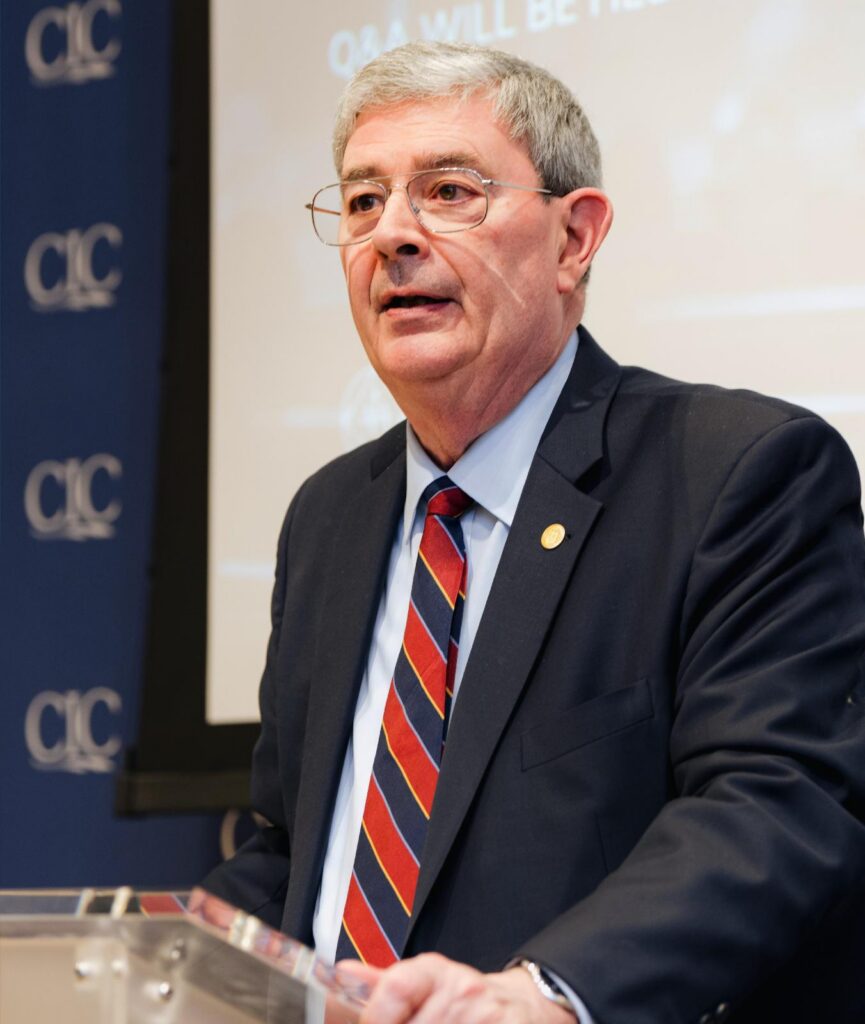
“John Paul II and his press spokesman, Joaquin Navarro Valls, made a valiant effort to reform Vatican communications and made considerable progress,” George Weigel, St. John Paul’s biographer, said in comments sent to OSV News.
“There was certainly transparency during the last months of John Paul II’s life, as witnessed by the fact that so many people around the world felt that they were ‘with’ him at the end, in what he called his ‘Passover,'” the American theologian and author of “Witness to Hope” said.
Yet, the fact that Pope Leo took it upon himself to make the announcement first, while surprising, signaled a shift in medical transparency and how the Vatican communicates during a papal health crisis.
“In Pope Leo’s calm, deliberate announcement of his impending surgery, I heard echoes of John Paul II at Lourdes in 2004, when he described himself as “a sick man among the sick.” There was not a lot of transparency about papal health during the pontificate of Pope Francis, but Pope Leo has moved us firmly beyond that, it seems,” Weigel said.
An institutional pivot
Pope Leo’s candor in announcing his surgery marked a watershed in Vatican communications, commentators acknowledged.
Hours after his Oct. 13 operation, the Vatican health updates revealed that doctors had removed the lower lobe of his right lung and confirmed that he had lung cancer.
“Papal health is usually the Vatican’s best-kept state secret,” Allen said.
“The fact that Leo has chosen to be so upfront and transparent is indicative of his personal style as a pastor who wants that direct connection with his people,” she added.
Yet, for Austen Ivereigh, biographer of Pope Francis and author of “The Great Reformer” and “Wounded Shepherd,” the institutional pivot toward papal medical disclosures began under the late pontiff who died in 2025.
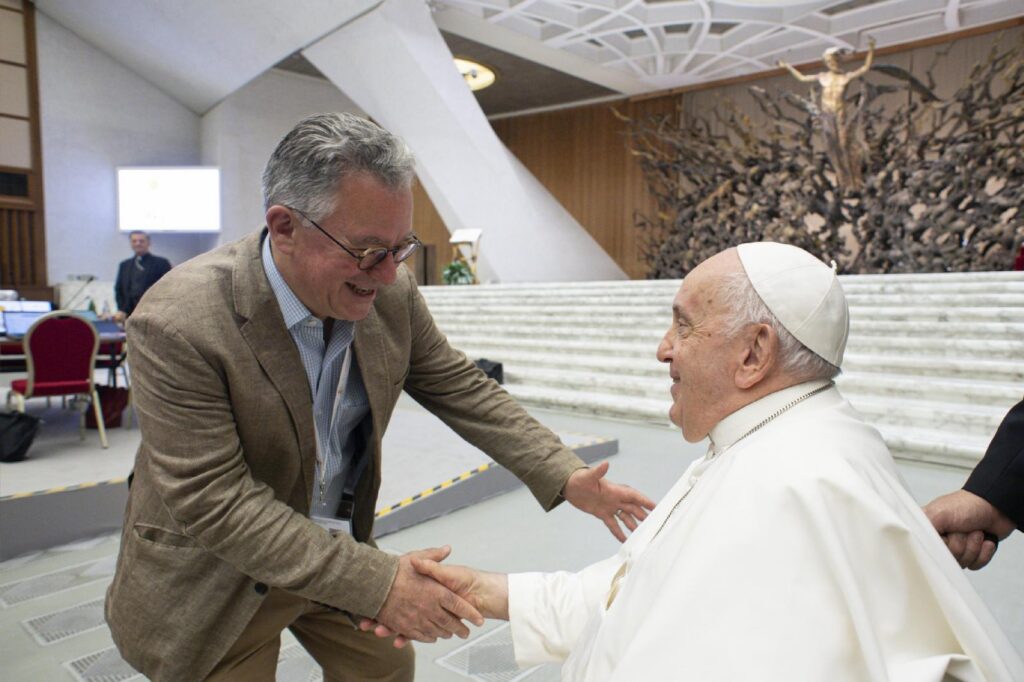
“I think that Francis wanted a transparent and direct communication on papal health as part of — to use his phrase — a pastoral missionary conversion of the Church,” Ivereigh told OSV News Oct. 15.
The Church and the papacy, he explained, “needed to cease being remote, and haughty, and sort of, monarchic, but rather be transparent, open, close to the people, walking with the people.”
“I think Francis realized that people cared deeply about him and wanted to hear directly from him and from his medical team,” Ivereigh added. “I think it was very much, as I understand it, under his express orders and direction; he wanted this to happen.”
That approach often made for moments of vulnerability in his final months, such as the announcement that Pope Francis had suffered two episodes of respiratory crisis during his hospitalization in March 2025, or his surprise appearance in St. Peter’s Basilica in a wheelchair without papal attire the following month.
“When he appeared shortly before his death, in a wheelchair in Saint Peter’s with just a blanket over him, people were very shocked by that. And some people thought it was a loss of dignity. I saw it differently. I saw that the pope himself was showing, in his humility, his vulnerability and humanity,” Ivereigh told OSV News.
“The dignity of the pope became the dignity of all human beings, which shines through in suffering and vulnerability,” he added.
Transparency as work in progress
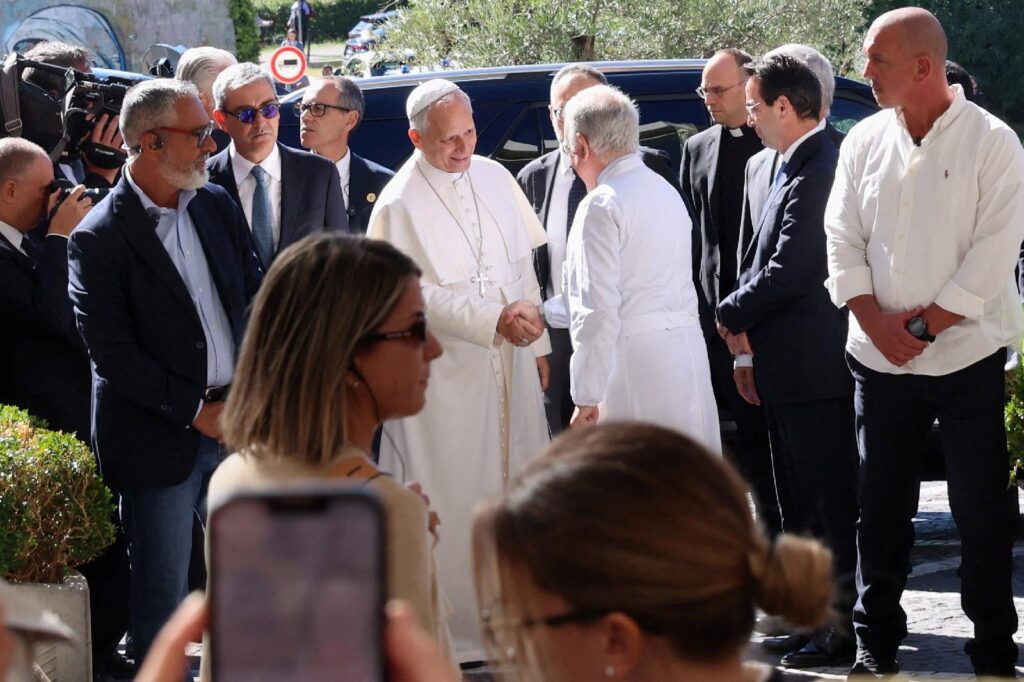
While Pope Leo’s upfront approach has shifted Vatican communications toward more transparency, for Allen growing pains still remain.
“I think, (regarding) the communications team, we saw with Francis that there are a lot of holes; it’s imperfect,” she told OSV News. “I think we’re seeing that with Pope Leo now. Information comes in fits and bursts, and we don’t have answers right away,” adding that “it’s a work in progress.”
However, papal biographers believe that transparent medical disclosures on the pope’s health serve an indispensable purpose: to shut down the rumor mill that often comes with papal illness.
Pope Leo has “seen a few papal health crises in his life, especially Francis. He lived with that cycle up close and how information leaks out of the system,” Allen told OSV News. “I think there’s an understanding that transparency is good, transparency is needed, and transparency avoids speculation and fake news.”
“The thing about transparency is that once you’ve opted for it, you can’t really take it back. You can’t put the genie back in the bottle,” Ivereigh said. “They’re not going to withhold vital medical information that the people of God need to understand what’s happening. I think that’s the new threshold or the new standard that’s been set.”
Junno Arocho Esteves is an international correspondent for OSV News. Follow him on X @jae_journalist.
