

(OSV News) — A young English university student who faced cancer with extraordinary joy and concern for others is inspiring growing hopes that he may one day be declared a saint.
Pedro Ballester, who died in 2018 at age 21, was remembered by those who knew him as an ordinary young man whose response to suffering revealed a profound faith.
‘The saints next door’
That witness, similar to recent saints and blesseds such as St. Carlo Acutis and Blessed Chiara Badano, reflect what Pope Francis has called “the saints next door” — ordinary people living holiness in everyday life.
“Very often it is a holiness found in our next-door neighbors, those who, living in our midst, reflect God’s presence,” Pope Francis wrote in his apostolic exhortation “Gaudete et Exsultate” (“Rejoice and Be Glad”). “We might call them ‘the middle class of holiness.'”
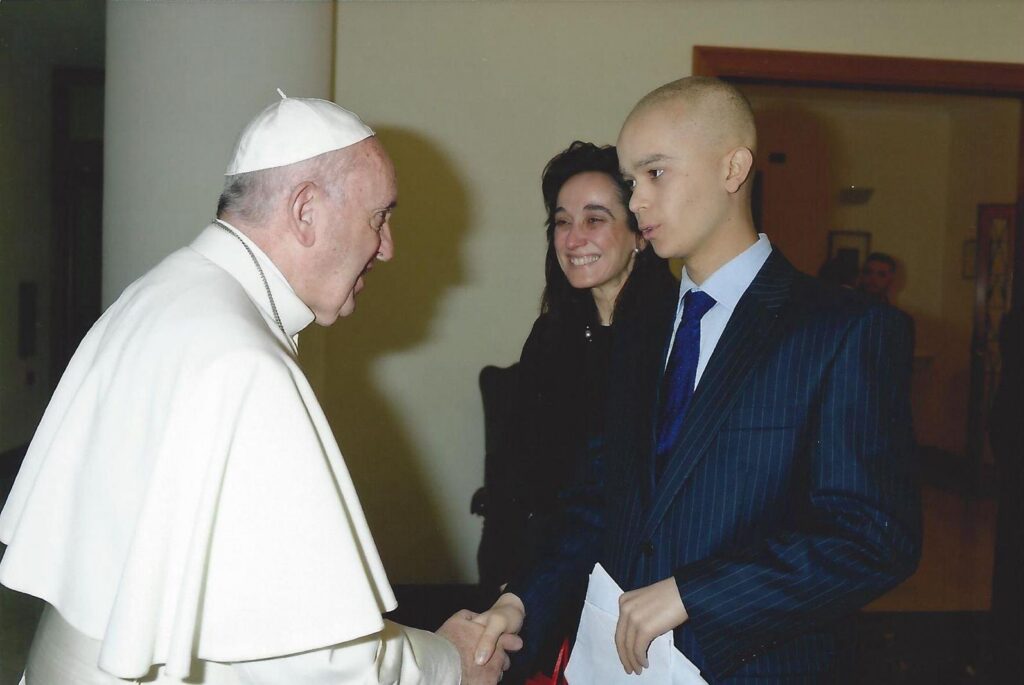
Pedro met Pope Francis in November 2015, and now a diocesan inquiry is gathering testimony about his life, part of preparatory work that could eventually lead to the opening of a formal sainthood cause.
‘A very normal guy’
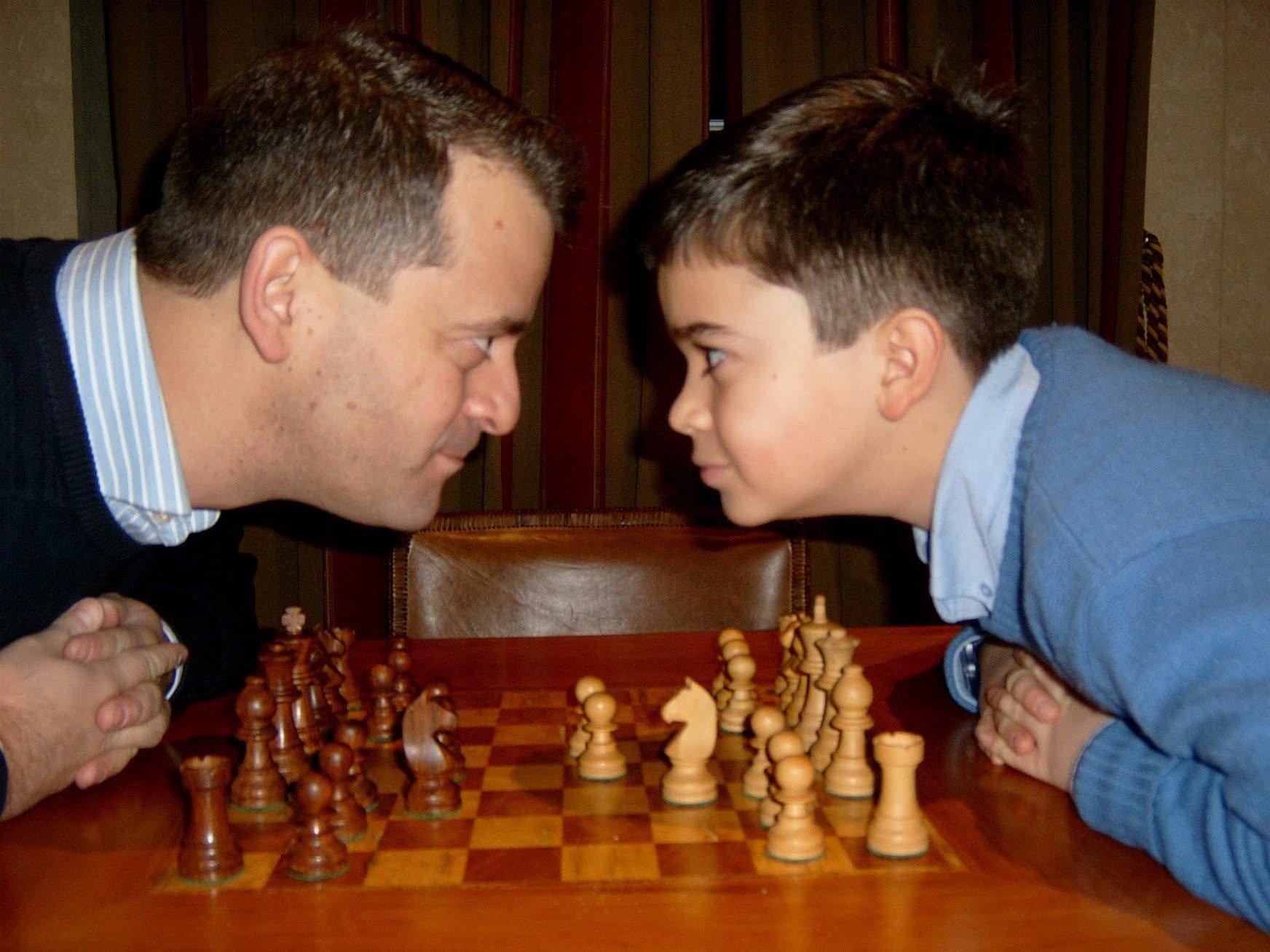
Born in Manchester in 1996 to Spanish parents, Pedro was described by his father, also named Pedro, as “a very normal guy” whose holiness came not from extraordinary talents, but from allowing God to guide his life.
“You see the process of canonization and you think there must be some special thing, but I couldn’t tell,” Ballester told OSV News Feb. 11. “So it’s not that he was special; it was that he allowed God to influence his life. And he did that through prayer.”
While Pedro received Catholic formation at home and at school, Ballester, who, along with his wife, Esperanza, are members of Opus Dei, said his son’s relationship with Christ gradually became deeply personal.
Grew in prayer and discernment
“Pedrito,” as his father affectionately called him, grew in prayer and discernment as a teenager. At age 16, he surprised his family by announcing he felt called to become a numerary in Opus Dei, committing himself to celibacy and a life dedicated to God.
“He asked Carlos, his younger brother, to sit down and said, ‘Carlos, I have to tell you something,'” Ballester recalled. “And Carlos said, ‘Oh, I know. You got a girlfriend.’ And that was not the case.”
Instead, to his brother’s surprise, Pedro, who was 16 at the time, said he felt called to become a numerary, a celibate lay member of Opus Dei.
His relationship with God
“Carlos said, ‘Then, no girls?’ And (Pedro) said, ‘No.’ But he had that joy, the kind that you think your son is in love with a girl. That’s the thing that he matured, that he grew and developed in his relationship with God.”
Although he would have to wait until he was 18 to formally join, his father said Pedro’s joy only deepened.
“He became happier, more joyful,” Ballester said. “He had that joy, the kind that you think your son is in love.”
Pedro was also an academically gifted student. In September 2014, he began studying chemical engineering at Imperial College London. But just months later, he developed severe back pain and was diagnosed with advanced pelvic cancer.
Hoped eventually to resume his studies
He returned to Manchester for treatment, hoping eventually to resume his studies. He endured continuous medical care over the next three years, alternating between the hospital and Greygarth Hall, an Opus Dei center in Manchester, where he lived with other numeraries.
Despite intense pain and fatigue, his father said Pedro remained focused on others.
“He was focusing on the other person,” Ballester said. “He never showed (his suffering) to other people or tried to hide it.”
Visitors often left uplifted, unaware of the extent of his pain. His father recalled that Pedro would sometimes delay taking morphine so he could remain alert while speaking with visitors.
“After they left, then he would ask for morphine,” he said.
Pedro defined by concern for others
Jack Valero, Opus Dei’s press officer in the United Kingdom and a longtime family friend, said Pedro’s concern for others defined him.
“He had this ability to love people,” Valero told OSV News Feb. 5. “He would never want to talk about himself. He always wanted to talk about the other person.”
That joy and faith had a transformative effect on others, including fellow patients. Valero recalled the story of a young man named Tom, an atheist who met Pedro while undergoing cancer treatment.
“He would come and talk to Pedro all the time because he found that Pedro gave him peace,” Valero said. “Sometimes, Pedro would be unconscious, but Tom would be there with him, saying, ‘No, I want to be here because even when he’s sleeping, he gives me peace.'”
3 years of treatment and suffering
After three years of treatment and suffering, Pedro died on Jan. 13, 2018. At his funeral, Tom, weakened by his own illness, sat in the front row.
“He (Tom) hadn’t been taught any religion at all, but he asked his mother to be baptized,” Valero recalled.
On the day of his baptism, Tom died, just one month after his friend Pedro.
A diocesan inquiry into Pedro’s life is underway and is currently interviewing witnesses. While the sainthood process isn’t officially opened, a lot of “preparatory work” has been done so far, Valero told OSV News.
‘Secret of life is to trust in God’
Nevertheless, for Ballester, the one thing he wants people, especially young people, to understand about his son’s life and spiritual journey “is that the secret of life is to trust in God.”
“When Pedrito was diagnosed (with cancer), he had it so clear,” Ballester told OSV News.
“He said, ‘Mom, Dad, I gave my life to God, and God gives the cross to his friends.’ So, if you have a much bigger cross, that means that you have much more glory (awaiting). Not the glory of pride, but the glory of God. You’re going to help so many more people because of that suffering that God has allowed you to carry,” he said.
Junno Arocho Esteves is an international correspondent for OSV News. Follow him on X @jae_journalist.
